
Generic Drugs: What They Are, How They Work, and When to Switch Safely
When you hear generic drugs, lower-cost versions of brand-name medications that contain the same active ingredients, dosages, and intended uses. Also known as generic medications, they are approved by the FDA to work just like their brand-name counterparts—but often cost 80% less. That’s not marketing. It’s science. The FDA requires generic drugs to have the same active ingredient, strength, route of administration, and performance as the original. If your doctor prescribes lisinopril, the generic version of Zestril, it’s not a substitute—it’s the same medicine, just without the brand label.
But here’s what most people don’t realize: generic switching, the process of moving from a brand-name drug to its generic version, or between different generic manufacturers isn’t always seamless. For drugs with a narrow therapeutic index—like warfarin, levothyroxine, or seizure meds—even tiny differences in inactive ingredients can affect how your body absorbs the drug. That’s why tracking your symptoms, lab results, and refill patterns after a switch matters. One person might switch from brand Synthroid to a generic levothyroxine and feel fine. Another might develop fatigue, weight gain, or heart palpitations because their body reacted to a different filler or coating. It’s not the active ingredient that changed—it’s the formulation.
drug equivalence, the standard that ensures generics perform the same way in the body as the original isn’t just about chemistry. It’s about bioavailability—how much of the drug actually gets into your bloodstream. The FDA requires generics to deliver the same amount of medicine within the same time frame as the brand. But that doesn’t mean every generic from every manufacturer is identical. Companies can change their formulas, suppliers, or manufacturing processes without reapplying for FDA approval. That’s why some people notice differences when their pharmacy switches the generic brand on them without telling them.
And then there’s the myth that generics are "inferior." That’s not true. Most generics are made in the same factories as brand-name drugs, sometimes even by the same company. The difference is in the packaging, marketing, and price—not the quality. But that doesn’t mean you should switch blindly. If you’re on a critical medication, ask your pharmacist if the generic you’re getting is the same one you’ve been taking. Keep a simple medication log, a record of what you take, when, and how you feel. Note any changes in energy, mood, digestion, or side effects after a switch. That log becomes your tool to catch problems early.
Generic drugs are one of the biggest wins in modern medicine. They’ve helped millions afford life-saving treatments for diabetes, high blood pressure, depression, and more. But they’re not magic. They still require attention. The right generic can save you hundreds a year. The wrong switch—without monitoring—could cost you your health. That’s why knowing how to track your response, asking the right questions, and understanding what "equivalent" really means matters more than ever.
Below, you’ll find real-world stories and science-backed advice on how to navigate generic switches safely, what to watch for, and how to make sure your medication still works—exactly as it should.
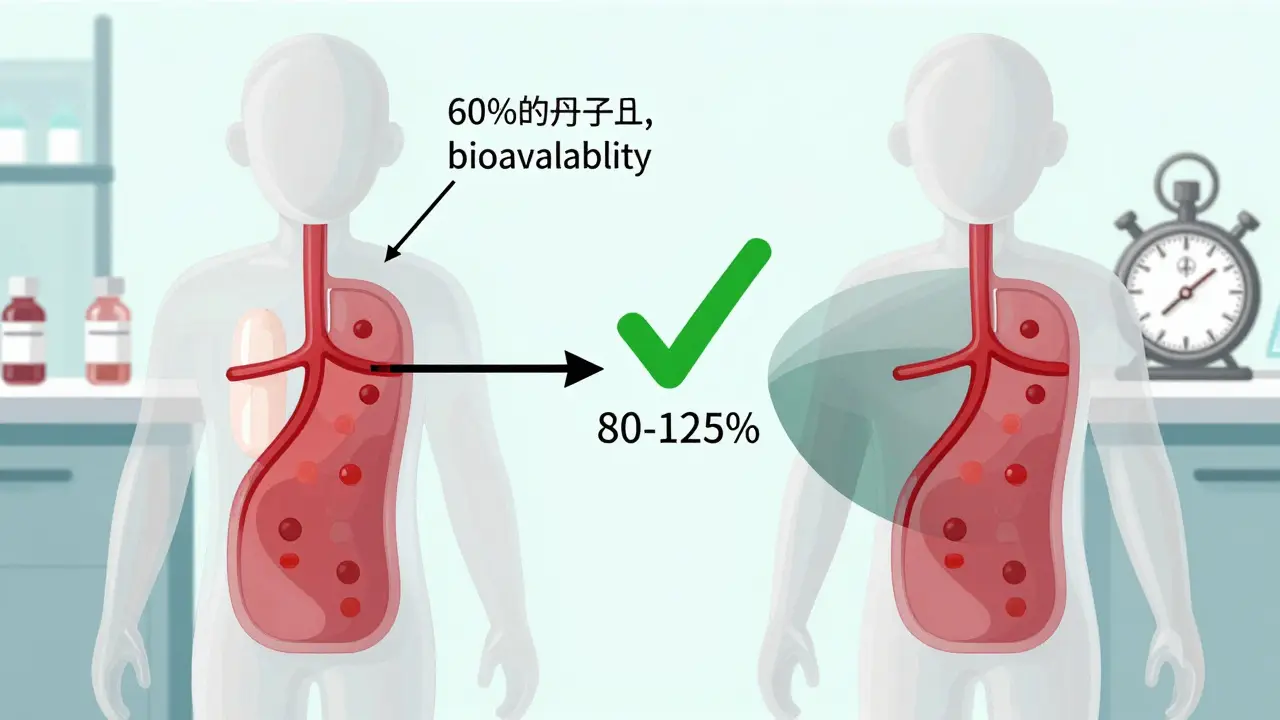
How to Compare Bioavailability and Bioequivalence in Generic vs Brand Drugs
Bioavailability measures how much of a drug enters your bloodstream, while bioequivalence proves a generic matches the brand. Learn how regulators ensure generics work just as well - and when exceptions apply.
March 17 2026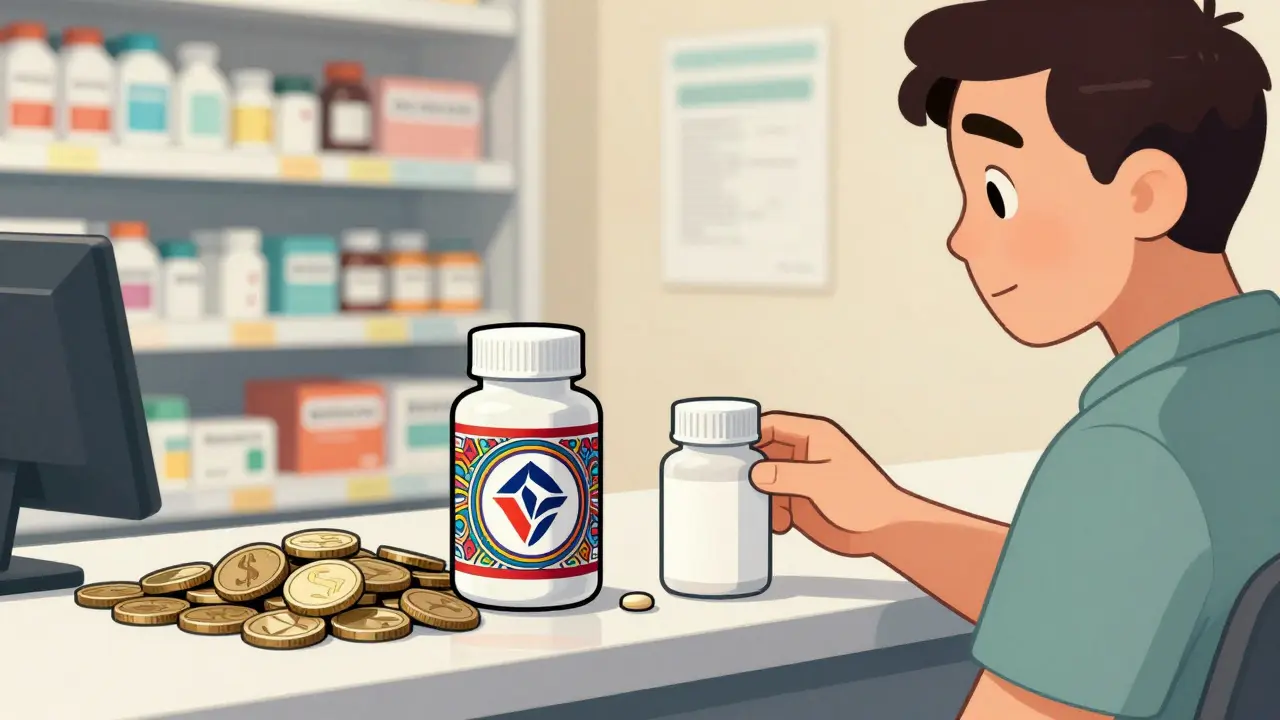
Why Patients Prefer Brand-Name Medications Over Generics: Explained
This article explains why patients often prefer brand-name medications over cheaper generics despite identical effectiveness. It covers factors like perceived quality, trust, marketing influence, demographic trends, and real-world data from studies and surveys.
February 5 2026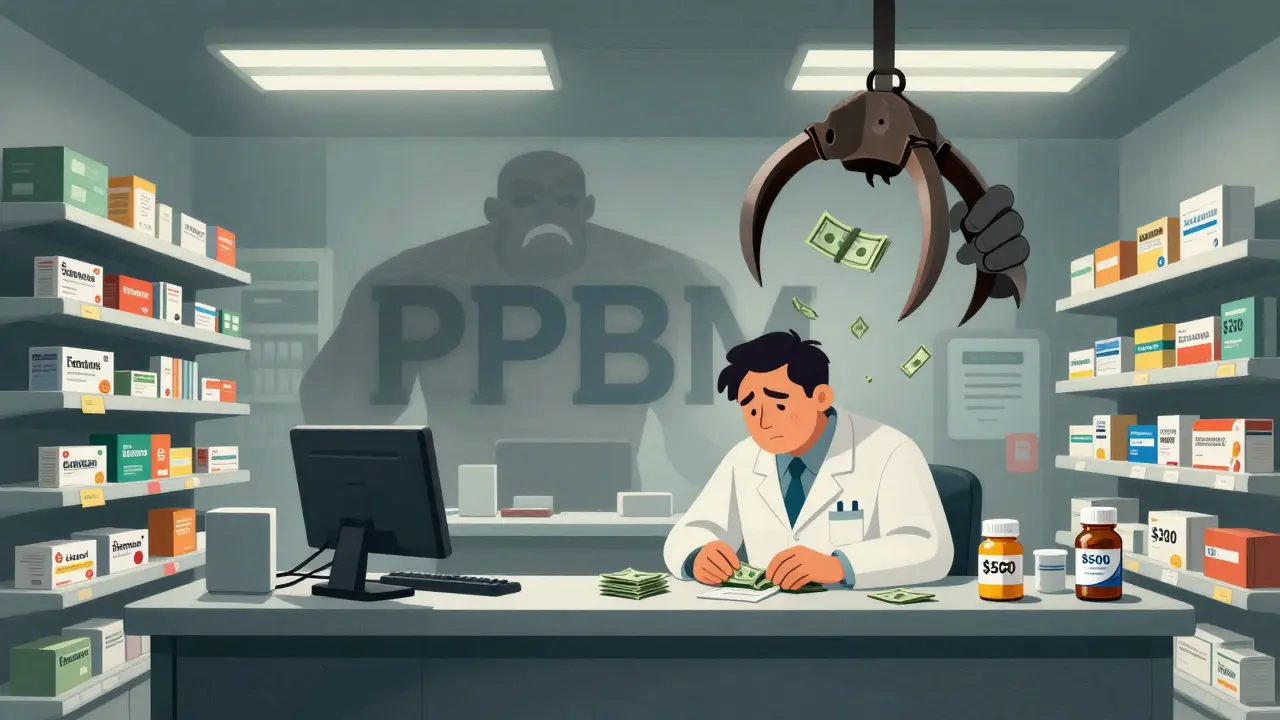
Pharmacy Margin Economics: How Generics Drive Profits Despite Low Prices
Generics make up 90% of prescriptions but only 25% of drug spending-yet they generate 96% of pharmacy profits. Here’s how the math works, why PBMs dominate, and how independent pharmacies are fighting back.
February 2 2026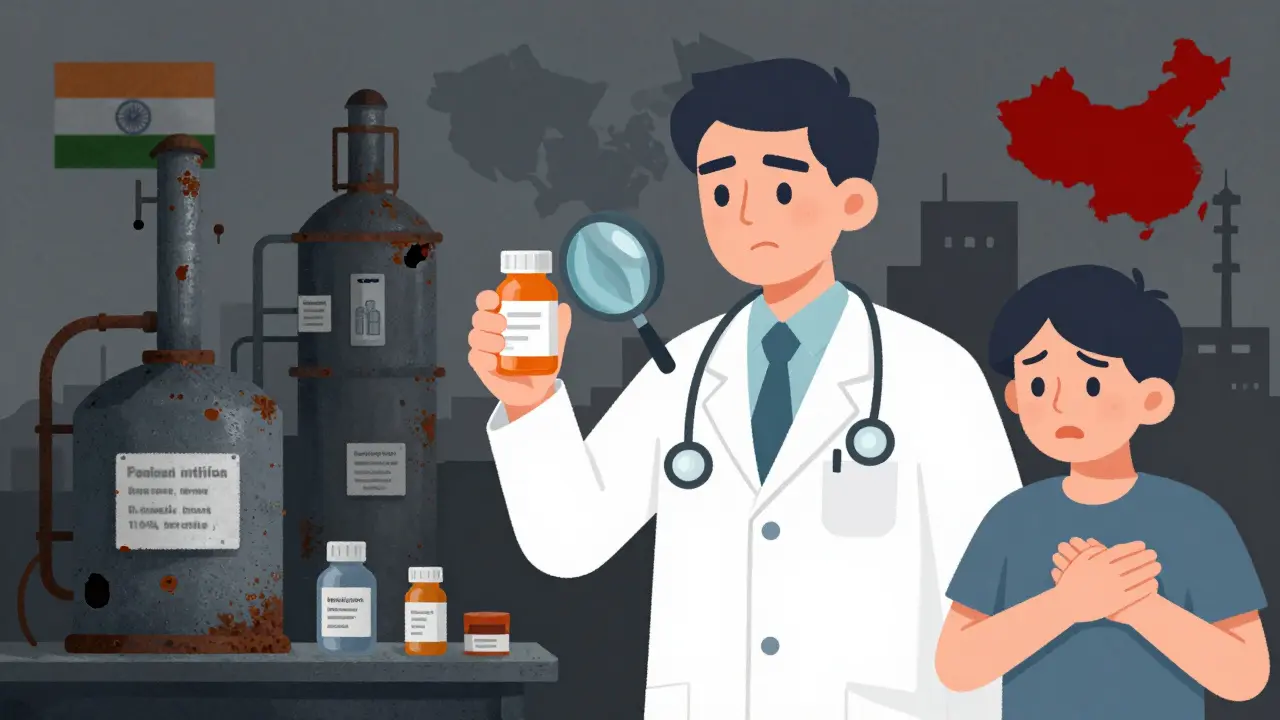
Quality concerns: when clinicians question generic manufacturing
Clinicians are raising alarms over generic drug quality as manufacturing shifts overseas. With 54% higher adverse events linked to Indian-made generics, questions are growing about safety, oversight, and the real cost of cheap medicine.
January 19 2026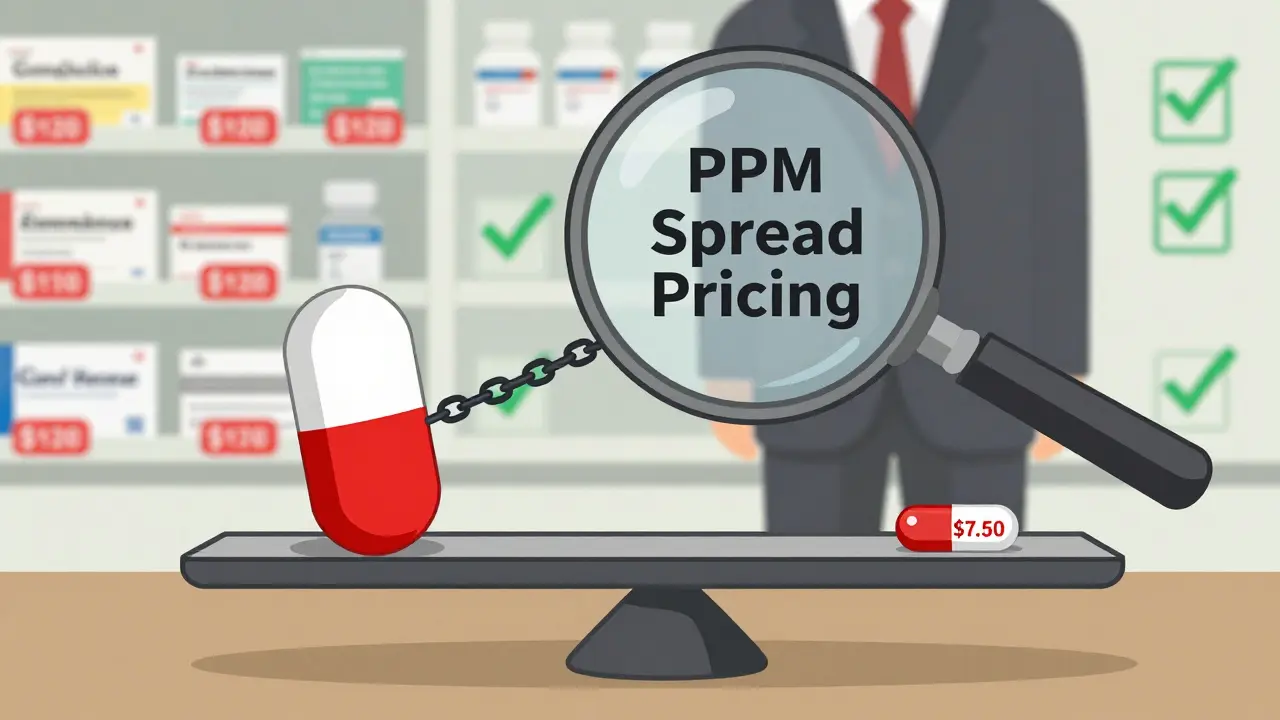
Cost-Effectiveness Analysis: Measuring the Value of Generic Drugs
Cost-effectiveness analysis reveals how generic drugs save billions-but only when priced right. Learn why some generics cost 15x more than equally effective alternatives and how to spot real savings.
January 13 2026
Doctor Attitudes Toward Generic Drugs: What Providers Really Think
Doctors often hesitate to prescribe generic drugs due to misconceptions about quality and effectiveness. Research shows education, real-world data, and peer influence can shift attitudes and improve patient outcomes.
December 8 2025