
If you’ve ever been told by your doctor that a prescribed medication needs prior authorization before your insurance will pay for it, you’re not alone. Millions of Americans face this step every year - and many don’t understand why it’s needed, how long it takes, or what they can do about it. This isn’t a glitch in the system. It’s a standard part of how most health insurance plans control costs and ensure medications are used correctly. But that doesn’t make it easier to deal with when you’re the one waiting for a prescription to be approved.
What Is Prior Authorization?
Prior authorization - sometimes called pre-authorization or pre-certification - is a requirement from your health insurance company that your doctor gets approval before they can prescribe certain medications. The insurance company won’t cover the cost of the drug until this approval is granted. It’s not about saying no to your treatment. It’s about making sure the drug is truly necessary, safe for you, and the most cost-effective option available. For example, if your doctor prescribes a brand-name painkiller when a generic version exists and works just as well, your insurance will likely require prior authorization. They want proof that the brand-name drug is needed over the cheaper alternative. The same goes for expensive cancer drugs, psychiatric medications, or anything with a high risk of misuse or dangerous interactions. According to the Academy of Managed Care Pharmacy, prior authorization is designed to make sure patients get the right medication at the right time - one that’s safe, effective, and offers the best value. It’s not just a cost-cutting trick. It’s a clinical review process meant to protect you, too.Which Medications Usually Need Prior Authorization?
Not every drug requires approval. But certain categories almost always do. Here’s what typically triggers the requirement:- Brand-name drugs with generic equivalents - If a generic version exists and is approved for your condition, insurers will want to see why you need the more expensive version.
- High-cost medications - Drugs that cost over $1,000 per month often require prior authorization. Think specialty treatments for rheumatoid arthritis, multiple sclerosis, or hepatitis C.
- Drugs with strict usage rules - Some medications can only be used after you’ve tried and failed other treatments first. For example, you might need to try two other asthma inhalers before your insurer will cover a newer, pricier one.
- Medications with safety risks - Opioids, benzodiazepines, and certain weight-loss drugs are flagged because of potential for abuse, addiction, or dangerous interactions with other prescriptions.
- Off-label uses - If your doctor prescribes a drug for a condition it wasn’t originally approved for (like using a cancer drug for a rare autoimmune disorder), they’ll need to provide clinical evidence to justify it.
How Does the Process Work?
The process starts with your doctor. When they write a prescription for a drug that needs prior authorization, they don’t just hand it to the pharmacy. They have to fill out a form - either online, by fax, or through an electronic system - that explains why you need this specific medication. The form includes:- Your diagnosis
- Why other treatments didn’t work or aren’t suitable
- Any lab results or medical records supporting the need
- Your doctor’s signature, confirming the request is accurate
What Happens If It’s Denied?
A denial doesn’t mean you can’t get the drug. It just means you need to appeal. Your doctor can submit additional information - maybe a letter explaining your medical history, or studies showing the drug works better for your specific case. You can also ask for a standard appeal, which usually takes 30 days to process. If your condition is urgent - like you’re in pain or your symptoms are getting worse - you can request an expedited appeal. In those cases, the insurance company must respond within 72 hours. If the appeal is still denied, you have the right to request an external review by an independent third party. This is your final step before considering paying out-of-pocket or switching medications.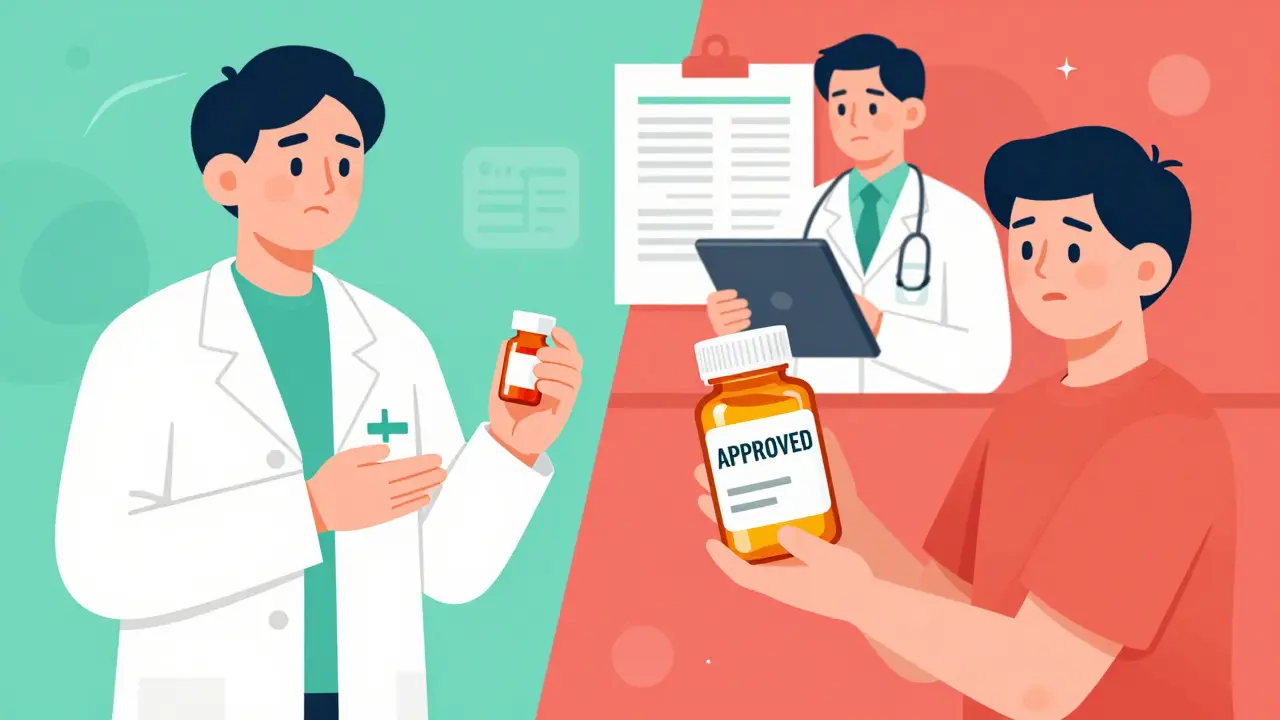
How Long Does Prior Authorization Last?
Approval isn’t permanent. Most prior authorizations are valid for a set time - often 6 to 12 months. After that, even if you’re still taking the same drug, you’ll need to go through the process again. This can be frustrating. Imagine getting your medication approved in January, only to find out in June that you need to reapply. Your doctor has to redo the paperwork. You have to wait again. And if you miss the window, your pharmacy won’t fill the refill. That’s why it’s smart to keep track of expiration dates. Ask your doctor’s office when your authorization expires. Set a reminder on your phone. Don’t assume your insurance will remind you.What Can You Do as a Patient?
You’re not powerless in this process. Here’s what you can do:- Check your formulary - Every insurance plan has a list of covered drugs called a formulary. Log into your insurer’s website and search for your medication. If it says “Prior Authorization Required,” you’ll know what to expect.
- Ask your doctor upfront - When they prescribe a new drug, ask: “Does this need prior authorization?” If it does, ask them to start the request right away.
- Use price-check tools - Many insurers, like Blue Shield of California, offer online tools that show you the cost of a drug and whether alternatives are covered. Use them before your appointment.
- Call your insurer - If you’re unsure about coverage, call the number on your insurance card. Ask: “Is this drug covered? Does it need prior authorization?”
- Don’t pay upfront unless you have to - Some pharmacies will let you pay out-of-pocket and then submit for reimbursement after approval. But make sure you understand the process first. Don’t assume you’ll get your money back.
When Is Prior Authorization Not Required?
There are exceptions. If you’re having a medical emergency, your insurance must cover the medication you need right away - even if it normally requires prior authorization. This includes emergency room visits, urgent care, or hospital stays. Also, if you’re on Medicare Part D and your plan has a formulary exception process, you might be able to get coverage without full prior authorization if your doctor certifies it’s medically necessary.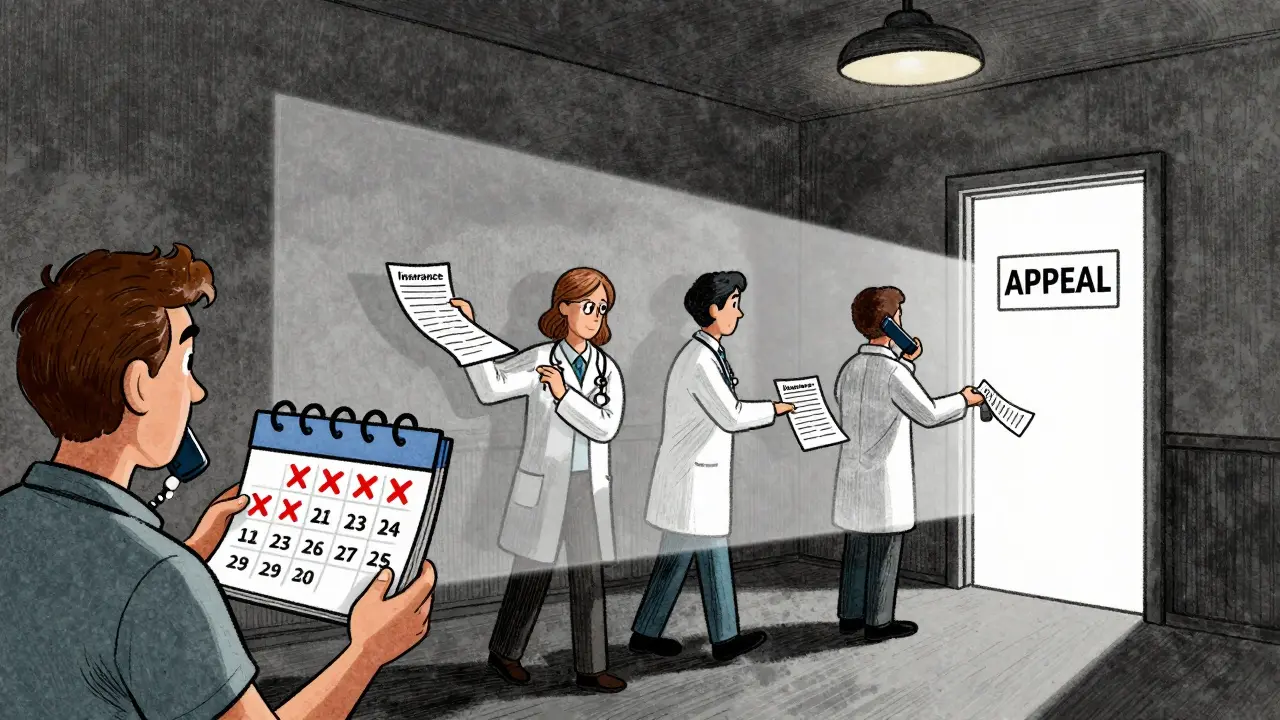
Why Does This System Exist?
Some people see prior authorization as a barrier. And yes, it can be slow and frustrating. But it exists for a reason. Without it, insurers would pay for every expensive drug prescribed - even when cheaper, equally effective options are available. That drives up premiums for everyone. Prior authorization helps keep costs down so more people can afford coverage. It also prevents dangerous combinations. For example, if you’re on blood thinners and your doctor accidentally prescribes a drug that interacts badly with them, the prior authorization review might catch it before you start taking it. It’s not perfect. Doctors spend hours filling out forms. Patients wait days for answers. But the goal is to balance safety, effectiveness, and affordability - not to make life harder.What’s Changing?
In recent years, there’s been growing pressure to simplify the process. Some states have passed laws limiting how long insurers can take to respond. Others require electronic submissions to reduce paperwork. Medicare has started allowing more automatic approvals for common drugs. But the core system remains. Until there’s a better way to ensure safe, cost-effective prescribing, prior authorization will stay.Final Thoughts
Prior authorization isn’t something you can ignore. It’s part of the healthcare landscape - and knowing how it works gives you power. Don’t wait until your prescription is denied to learn about it. Ask questions early. Stay involved. Keep records. And don’t be afraid to push back if something doesn’t make sense. Your health matters. So does your time. Use the tools available. Work with your doctor. And remember - you’re not just a patient. You’re a partner in your care.Does prior authorization mean my insurance won’t cover my medication?
No. Prior authorization just means your insurance needs more information before approving payment. If your doctor provides the right documentation showing the drug is medically necessary, your insurance will cover it. It’s not a denial - it’s a review.
How long does prior authorization take?
It usually takes 24 to 72 hours for urgent requests and up to 14 days for standard ones. Some insurers respond faster if your doctor marks the request as urgent. If you’re in pain or your condition is worsening, ask your doctor to flag it as urgent.
Can I get my medication while waiting for approval?
Sometimes. If you can’t wait, you can pay for the medication out of pocket and then submit a claim for reimbursement after approval. But this isn’t guaranteed - check with your insurer first. Some plans require you to use a specific pharmacy or submit forms in a certain way.
Why does my doctor have to do all the paperwork?
Because your doctor is the one who understands your medical history and can prove the medication is necessary. Insurance companies require clinical justification - not just a prescription. Your doctor must show why this drug, at this dose, for this condition, is the best choice.
What if I can’t afford the medication even after approval?
Many drug manufacturers offer patient assistance programs that lower or eliminate out-of-pocket costs. Your doctor’s office or pharmacist can help you apply. Nonprofits like NeedyMeds and Patient Access Network Foundation also provide financial aid for high-cost medications.
Do all insurance plans require prior authorization?
Most commercial plans and Medicare Part D do. Medicaid programs vary by state. Some small or short-term plans may not use prior authorization at all. But if you’re on a typical employer-sponsored plan or Medicare, you’ll likely encounter it at some point.
Alana Koerts
December 18, 2025 AT 18:56Prior auth is just insurance bureaucracy dressed up as patient care. They delay meds to save pennies while you suffer. Simple.
Sarah McQuillan
December 20, 2025 AT 02:12I get why it exists but honestly? My doc spent 3 hours filling out forms for my asthma inhaler. Meanwhile, my premium went up 18%. This system is broken, not protective. We need real reform, not more paperwork.
Chris Clark
December 20, 2025 AT 12:49Yall act like prior auth is new but it’s been around since the 90s. The real issue is drug companies pushing expensive stuff. If you’re on a brand name when a generic works? Yeah, they gotta check. It’s not personal. It’s economics.
Also, if your doc doesn’t know your formulary, that’s on them. Stop blaming insurers.
William Storrs
December 20, 2025 AT 13:30You got this. I know it’s frustrating, but you’re not alone. Your doc is fighting for you, even if it feels like they’re just typing away. Keep track of dates, call your insurer, and don’t give up. You’re doing better than you think.
Dominic Suyo
December 20, 2025 AT 15:09Let’s be real - prior auth is a profit-driven chokehold disguised as clinical oversight. Pharma pays insurers to gatekeep. The ‘cost-saving’ narrative is a lie. It’s about maximizing shareholder returns while patients wait for relief. Wake up.
Kevin Motta Top
December 20, 2025 AT 21:22My rheumatoid arthritis drug took 11 days. I paid out of pocket. Got reimbursed. Took 3 weeks. Worth it to not be in pain.
pascal pantel
December 22, 2025 AT 16:01The entire prior authorization framework is a regulatory arbitrage play. Insurers leverage clinical guidelines as cost-containment tools while externalizing administrative burden onto providers. It’s not inefficiency - it’s strategic opacity designed to suppress utilization. You’re not being protected. You’re being rationed.
Nina Stacey
December 23, 2025 AT 15:00so i got approved for my med last week and then they said it expires in 6 months?? like what?? i just started taking it and now i have to do this whole thing again??
my doctor said theyll do it but i swear if i have to call my insurance one more time im gonna scream
why cant they just keep it approved if im still taking the same thing??
James Stearns
December 24, 2025 AT 00:11It is imperative to underscore that prior authorization constitutes a necessary fiduciary safeguard within the modern healthcare ecosystem. To eschew such mechanisms would constitute a dereliction of fiscal responsibility and a potential endangerment of public health. One must not conflate administrative diligence with bureaucratic malfeasance.
Guillaume VanderEst
December 25, 2025 AT 12:23Same here in Canada. We don’t have prior auth but we have formulary restrictions and step therapy. Feels like the same game, just different rules. At least we don’t pay $2000/month for meds though.
Alisa Silvia Bila
December 27, 2025 AT 09:24My mom got denied for her heart med last year. We appealed. Got approved. She’s been on it for 2 years now. It’s a pain but it’s not impossible. Just keep pushing. Your voice matters.
Carolyn Benson
December 27, 2025 AT 18:22Prior authorization is the neoliberal corpse of healthcare, propped up by corporate interests to commodify suffering. We are not patients - we are data points in a profit algorithm. The real question isn’t how to navigate the system, but how to dismantle it. The body is not a balance sheet. The soul is not a form field. And yet, here we are - filling out forms while our lungs fail.