
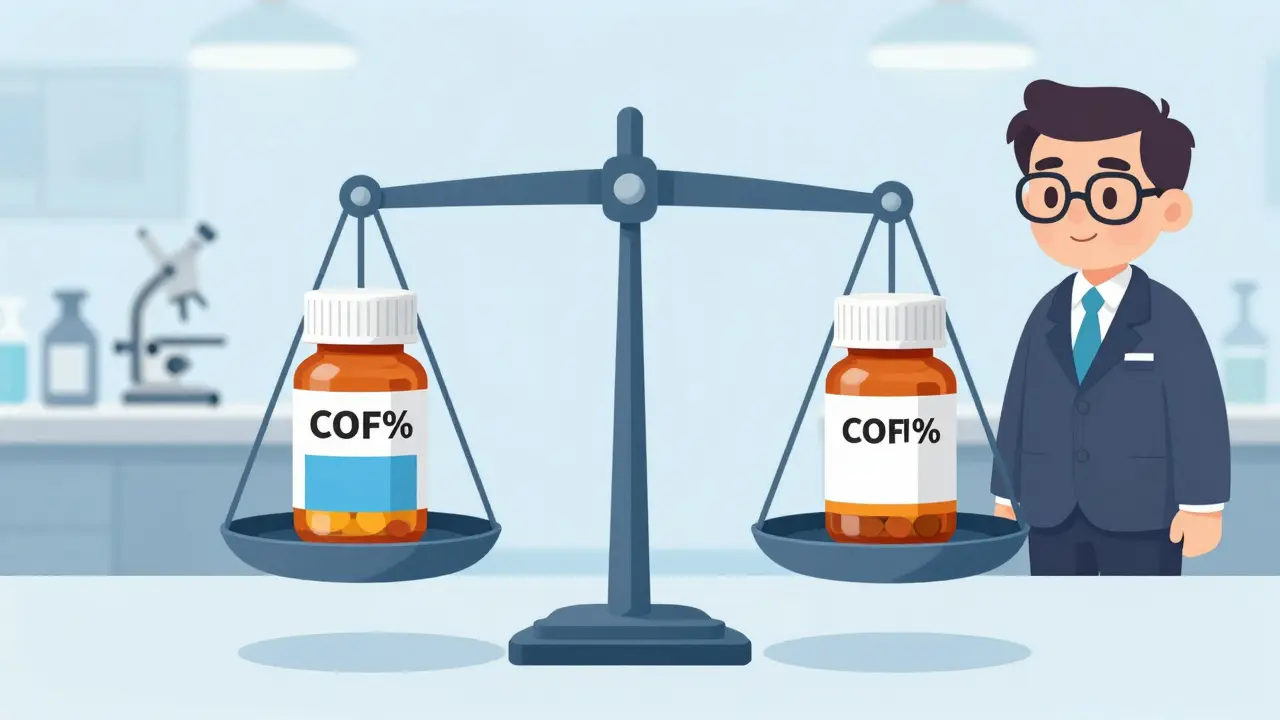
Imagine paying $200 for a prescription drug when a generic version costs just $20. You'd think people would choose the cheaper option, right? But in reality, many patients stick with brand-name drugs despite the price difference. According to IQVIA data from 2022, generics make up 90% of prescriptions by volume in the U.S., yet they only account for 22% of total drug spending. That means patients and insurers pay way more for brand-name drugs even though they're not more effective. So why does this happen? Let's break it down.
What Drives Brand Loyalty in Medications?
FDA is the U.S. agency responsible for ensuring drug safety and efficacy. It requires generics to meet strict bioequivalence standards before approval. But patients often don't know this. A 2023 GlobalData survey found that 40% of physicians would prescribe branded drugs if cost weren't a factor. For patients, trust in familiar brands is powerful. When you see a name like "Advil" or "Lipitor," your brain associates it with reliability-even though the active ingredient is identical to generics.
Marketing plays a huge role here. Pharmaceutical companies spend billions on ads that emphasize brand names. You've probably seen TV commercials for brand-name drugs, but rarely for generics. This creates a psychological effect: people assume "brand = better." A Fortune survey in 2022 showed 62% of Gen Z consumers trust brand-name drugs for quality and safety, while 57% believe they're more effective. But science says otherwise. The FDA confirms generics must deliver the same therapeutic effect as brand-name drugs.
The Real Cost of Brand Loyalty
Brand loyalty isn't just about psychology-it has real financial consequences. In the U.S., generics account for 90% of prescriptions but only 22% of drug spending. That means patients pay 79% more on average for brand-name drugs with no clinical benefit. For someone on a chronic medication, this adds up fast. A year's supply of brand-name Lipitor costs about $3,000, while the generic version costs $20. Over time, that's $2,980 wasted. Yet many patients refuse to switch, even when their doctors recommend generics.
Lower-income and less-educated patients are especially affected. A PMC study in 2023 found lower-educated consumers had 1.54 times higher odds of staying loyal to brand-name drugs regardless of price. They often believe generics are "inferior" because they're cheaper. But this isn't true. The FDA requires generics to have the same active ingredients, strength, and dosage form as brands. The only differences are in inactive ingredients like fillers or dyes.
Different Demographics, Different Choices
Not everyone feels the same way about brand loyalty. Gen Z consumers show the strongest preference, with 35% choosing brand-name drugs despite being 79% more expensive than generics. This generation grew up seeing brand-name ads everywhere and trusts them more. Meanwhile, Millennials and Gen X are more open to generics. Older adults often stick with brands due to long-term familiarity. For example, someone who's used brand-name Prilosec for 20 years might hesitate to switch to omeprazole (the generic) because they associate the brand with relief.
Regional differences matter too. In Spain, 13% of the population refuses generics entirely, even when doctors recommend them. Japan has similar trends, with 57% of physicians preferring brand-name drugs. This isn't because of science-it's cultural. In Japan, generic drugs face stricter approval standards than in the U.S., leading to mistrust. But in countries like Germany, where pharmacists can substitute generics automatically, adoption rates are much higher.

Doctors' Perspectives on Brand vs. Generic
Physicians aren't immune to brand loyalty either. A Longdom study in 2016 found 92% of doctors consider therapeutic equivalency crucial when choosing between brand and generic drugs. Yet over 70% still prescribe original drugs to patients with chronic conditions or special insurance coverage. Why? For one, they're trained on brand-name drugs during medical school. Most textbooks and clinical trials use brand names, so doctors develop habits around them.
Specialty matters too. Family practitioners prescribe generics 2.3 times more often than psychiatrists. Why? Mental health medications often have subtle formulation differences that patients notice. A Reddit user named u/AnxiousPatient99 shared: "I've tried three different generics of my antidepressant and only the brand name works consistently." While the FDA confirms these perceptions often exceed actual clinical differences, the experience feels real to patients. This is why psychiatrists are more cautious about switching.
Real Stories: Patient Experiences
Online forums reveal mixed feelings. On Reddit's r/pharmacy, 68% of 1,247 comments in October 2023 expressed concerns about generic substitution causing therapeutic fluctuations. But on r/personalfinance, 79% of 853 comments advised using generics to save money. One user noted: "I've used generics for 10 years with no issues and saved $4,200." Trustpilot reviews of pharmacy chains show 3.2/5 average ratings for generic substitution experiences. Common complaints include "different inactive ingredients causing allergic reactions" in 27% of negative reviews.
YouTube testimonials also tell a story. In 2023, 58% of 200 randomly sampled videos about medication experiences preferred brand-name drugs. Common themes: "I trust what I know" (32% of videos) and "my doctor said the brand works better for me" (27% of videos). But these anecdotes don't always match reality. Consumer Reports found 41% of respondents who switched from brand to generic reported "noticeable differences in effectiveness," though FDA data shows actual clinical differences are rare.
What Should You Do?
If you're on a brand-name drug, talk to your doctor or pharmacist before switching. Ask: "Is there a generic version available?" and "Will it work for my condition?" For most medications-like antibiotics, blood pressure pills, or cholesterol drugs-generics are a safe, cost-effective choice. But for complex drugs like biologics or psychiatric medications, switching might need extra care.
Pharmacists can explain therapeutic equivalence ratings using the FDA's Orange Book. Drugs rated "A" are fully interchangeable with brands. A study by the American Pharmacists Association found 67% of patients accept generics after getting detailed explanations. If you've had bad experiences with generics before, share that with your doctor. They might adjust the prescription or find a better match.
The Future of Brand Loyalty in Healthcare
Regulators are pushing back against unnecessary brand loyalty. The FDA launched the Generic Drug User Fee Amendments (GDUFA III) in 2023 to speed up generic approvals. Commissioner Robert Califf stated, "Increasing generic competition remains our top priority to combat brand loyalty pricing." Meanwhile, biosimilars-generic versions of complex biologic drugs-are gaining traction. McKinsey & Company reports only 32% of eligible patients switch from originator biologics to biosimilars within the first year, but this is slowly changing.
Deloitte predicts brand loyalty will decline as direct-to-consumer advertising regulations tighten, with generics making up 95% of prescriptions by volume by 2030. However, premium brand-name drugs with strong patient support programs will likely keep 35-40% market share in key therapeutic areas through 2028. For now, the best move is to ask questions, stay informed, and know that generics are often just as effective-without the extra cost.
Why do people choose brand-name drugs over generics?
Many patients believe brand-name drugs are safer or more effective due to marketing and familiarity. A 2023 GlobalData survey found 40% of physicians would prescribe brand-name drugs if cost wasn't a factor. Psychological comfort, trust in well-known brands, and lack of awareness about bioequivalence standards drive this preference-despite FDA proof that generics are equally effective.
Are generics really as effective as brand-name drugs?
Yes, for most medications. The FDA requires generics to have identical active ingredients, strength, and dosage form as brand-name drugs. They must also meet strict bioequivalence standards, meaning they deliver the same therapeutic effect. Differences in inactive ingredients rarely cause issues, and clinical studies confirm generics work just as well for conditions like high blood pressure, diabetes, and infections.
Can switching to generics cause problems?
For most people, no. But some medications-like antiepileptics, blood thinners, or psychiatric drugs-may need careful monitoring when switching. A small percentage of patients report feeling different effects due to variations in inactive ingredients. If you notice changes after switching, talk to your doctor. They can check if it's a real issue or just a perception. The National Community Pharmacists Association survey found 43% of patients feel anxious about switching, but actual adherence issues occur in only 8.7% of cases.
How do doctors decide between brand and generic?
Doctors consider several factors: the medication type, patient history, insurance coverage, and cost. For common conditions like hypertension, they often prescribe generics to save money. For complex cases-like cancer treatments or biologics-they may stick with brands due to limited generic options. A JAMA Internal Medicine study in 2021 showed family practitioners prescribe generics 2.3 times more often than psychiatrists, reflecting specialty-specific differences in practice.
Should I always choose generics to save money?
Generally yes, but it depends. For most drugs-like statins, antibiotics, or antacids-generics are safe and effective. However, for specialized medications like biologics or certain psychiatric drugs, brand-name might be necessary. Always consult your doctor before switching. The American Pharmacists Association found 67% of patients accept generics after receiving clear explanations about bioequivalence. Saving money shouldn't mean sacrificing health-just making informed choices.
Brendan Ferguson
February 6, 2026 AT 21:36When considering brand-name versus generic medications, it's crucial to understand the regulatory framework. The FDA requires generics to undergo rigorous testing to ensure they are bioequivalent to their brand-name counterparts. This means the active ingredients, dosage, and therapeutic effect must be identical. However, marketing plays a significant role in patient perceptions. Many people associate brand names with higher quality simply because of advertising.
Studies consistently show that for the vast majority of medications, generics perform just as well as brand-name drugs. Conditions like high blood pressure, diabetes, and infections are effectively managed with generics.
The financial impact is substantial. Generics account for 90% of prescriptions but only 22% of drug spending. This discrepancy means patients and insurers pay significantly more for brand-name drugs without any clinical benefit.
For some medications with narrow therapeutic windows-such as warfarin or certain antiepileptics-switching to generics requires careful monitoring. However, these cases are exceptions rather than the rule.
Patient education is key. Many individuals are unaware of the FDA's stringent approval process for generics. Pharmacists can play a vital role in explaining the science behind bioequivalence and addressing concerns.
It's also important to recognize that differences in inactive ingredients may cause minor issues for some patients, but these are rare and manageable.
Ultimately, the choice between brand and generic should be informed by evidence, not marketing. For most people, generics are a safe, effective, and affordable option.
Always consult your healthcare provider, but don't let unfounded fears prevent you from saving money on your prescriptions.
Lisa Scott
February 8, 2026 AT 18:05Big Pharma controls the narrative. FDA's a puppet. Generics are identical but marketed as inferior. It's a profit scheme. You're being played.
jan civil
February 9, 2026 AT 12:23Generics work. Save money.
Tehya Wilson
February 11, 2026 AT 03:46Brand loyalty stems from multiple factors including perceived quality and marketing. FDA's bioequivalence standards are robust. The issue is oversimplified.
Jennifer Aronson
February 13, 2026 AT 03:27The FDA's strict bioequivalence standards ensure generics are as effective as brand-name drugs for most conditions.
Marketing creates false perceptions about quality differences.
Patients often don't realize generics undergo the same rigorous testing.
For chronic conditions like hypertension, generics save thousands yearly with identical results.
The real problem is misinformation, not scientific differences.
Always verify with your pharmacist-most generics are interchangeable.
Kate Gile
February 13, 2026 AT 14:52Switching to generics isn't just smart-it's saving lives!
I've used them for years with zero issues.
FDA testing is ironclad.
Don't let Big Pharma scare you.
Talk to your pharmacist today-your wallet and health will thank you.
Johanna Pan
February 15, 2026 AT 08:01Ive used generics for years. No issus. Saves money. Always check with your doc though. But the science is clear: they're the same.
Elliot Alejo
February 16, 2026 AT 07:50Generics are a no-brainer for most medications. The FDA's standards are clear. Marketing creates false perceptions. Patients should be informed about the cost savings and equivalence. It's time to move past brand loyalty myths.
Bella Cullen
February 16, 2026 AT 09:27Real-world issues with generics exist. The FDA's standards aren't perfect. Trust me, I've had problems.
Sam Salameh
February 16, 2026 AT 13:28America's brand-name drugs are top-notch. Generics are okay for other places. We should keep the best for ourselves.
Arjun Paul
February 17, 2026 AT 21:21India is the pharmacy of the world. Our generics are top quality. US patients should trust science. This brand loyalty is irrational.
divya shetty
February 19, 2026 AT 00:50Patients must understand that generics are equally effective. The FDA has strict regulations. It is irresponsible to believe otherwise. The evidence is clear.
Nancy Maneely
February 20, 2026 AT 09:17OMG the brand vs generic thing is such a mess. Big Pharma's lying to us. I've had issues with generics. They're not the same. Trust me, I'm a nurse. This is why we need regulation.