
MAD for snoring: Understanding causes, risks, and treatments
When you hear MAD for snoring, a mandibular advancement device is a custom-fitted oral appliance that moves the lower jaw forward to keep the airway open during sleep. It's not a cure-all, but for many, it’s the only thing that stops snoring without surgery or a CPAP machine. Unlike nasal strips or throat sprays, MADs tackle the root problem: collapsed airways. They’re worn like mouthguards, usually at night, and work by gently pulling the jaw forward—this prevents the tongue and soft tissues from blocking the throat. The result? Quieter sleep, better oxygen flow, and fewer morning headaches.
Not everyone who snores has sleep apnea, but sleep apnea, a condition where breathing stops repeatedly during sleep is often behind loud, chronic snoring. Studies show that up to 50% of people with severe snoring also have obstructive sleep apnea. That’s why doctors don’t just treat the noise—they check for pauses in breathing, daytime fatigue, and high blood pressure. MADs are FDA-cleared for mild to moderate sleep apnea and are especially helpful for people who can’t tolerate CPAP. They’re portable, quiet, and don’t need electricity. But they’re not one-size-fits-all. A dentist trained in sleep medicine must fit them properly, or you risk jaw pain, tooth movement, or even worse airway blockage.
Other solutions like weight loss, positional therapy, or even nasal surgery can help too, but oral appliances, devices worn in the mouth to improve airflow during sleep are among the most practical long-term options. They’re used by truck drivers, travelers, and people who share a bed with a light sleeper. The best ones are custom-made, not over-the-counter boil-and-bite models, which often fail or cause discomfort. And while they’re not magic, they’re backed by real data—clinical trials show they reduce snoring volume by 70% or more in consistent users.
What you’ll find below are real, tested approaches to snoring and sleep-disordered breathing. From how MADs compare to CPAP machines, to which supplements might help (or hurt), to how to know if your snoring is just annoying—or dangerous. These aren’t opinion pieces. They’re based on clinical guidelines, patient outcomes, and the kind of practical advice you’d get from a sleep specialist who’s seen it all.
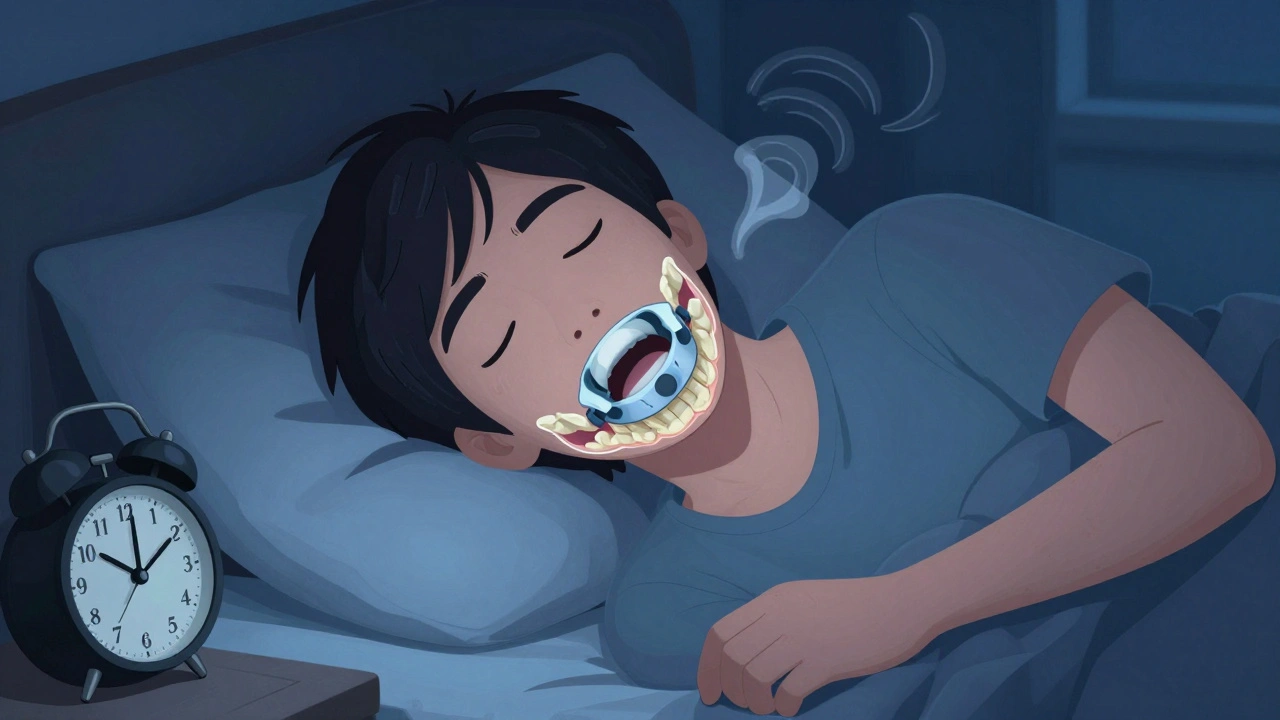
Oral Appliance Therapy for Snoring: How Mandibular Advancement Devices Work and Who They Help
Oral appliance therapy with mandibular advancement devices offers a non-invasive, effective solution for snoring and mild sleep apnea. Learn how they work, who benefits most, and what to expect before and after use.
December 6 2025