
Intraocular Pressure: What It Is, Why It Matters, and How It Affects Your Eyes
When your eye feels tight or you hear your doctor mention intraocular pressure, the fluid pressure inside the eye that helps maintain its shape and function. Also known as eye pressure, it's a number that doesn't show symptoms until it's too late. That’s why it’s one of the most important things checked during a routine eye exam.
High intraocular pressure doesn’t always mean you have glaucoma, a group of eye diseases that damage the optic nerve, often due to elevated pressure inside the eye, but it’s the biggest red flag. About 10% of people with high pressure never develop glaucoma, and some with normal pressure still do. That’s why doctors don’t just look at one number—they check your optic nerve, visual field, and family history too. Ocular hypertension, a condition where eye pressure is above normal but without optic nerve damage is something you can live with, but not ignore. Regular monitoring is the only way to stay ahead of it.
Eye pressure is measured with a quick, painless test called tonometry. It’s not something you can feel, even when it’s dangerously high. That’s why skipping annual eye exams is risky. People over 40, those with a family history of glaucoma, or anyone with diabetes or high blood pressure are at higher risk. Even if you see fine, your vision could be quietly fading from the inside out. Some medications—like steroids, even in nasal sprays or creams—can raise eye pressure. And if you’re on long-term meds for asthma, arthritis, or skin conditions, you should know this.
What you do outside the doctor’s office matters too. Regular exercise lowers eye pressure, even just walking 20 minutes a day. But certain yoga poses that put your head below your heart can spike pressure. Caffeine? A single cup of coffee can raise it temporarily. And don’t assume that if your pressure is normal now, it always will be. Pressure changes over time, and so does your risk.
The posts below cover real-world situations where eye pressure plays a role—how it’s tracked, how medications affect it, and what happens when it’s ignored. You’ll find advice on managing pressure with or without glaucoma, how to spot early warning signs, and what tests actually tell your doctor. These aren’t theory pieces—they’re based on what patients and clinicians deal with every day.
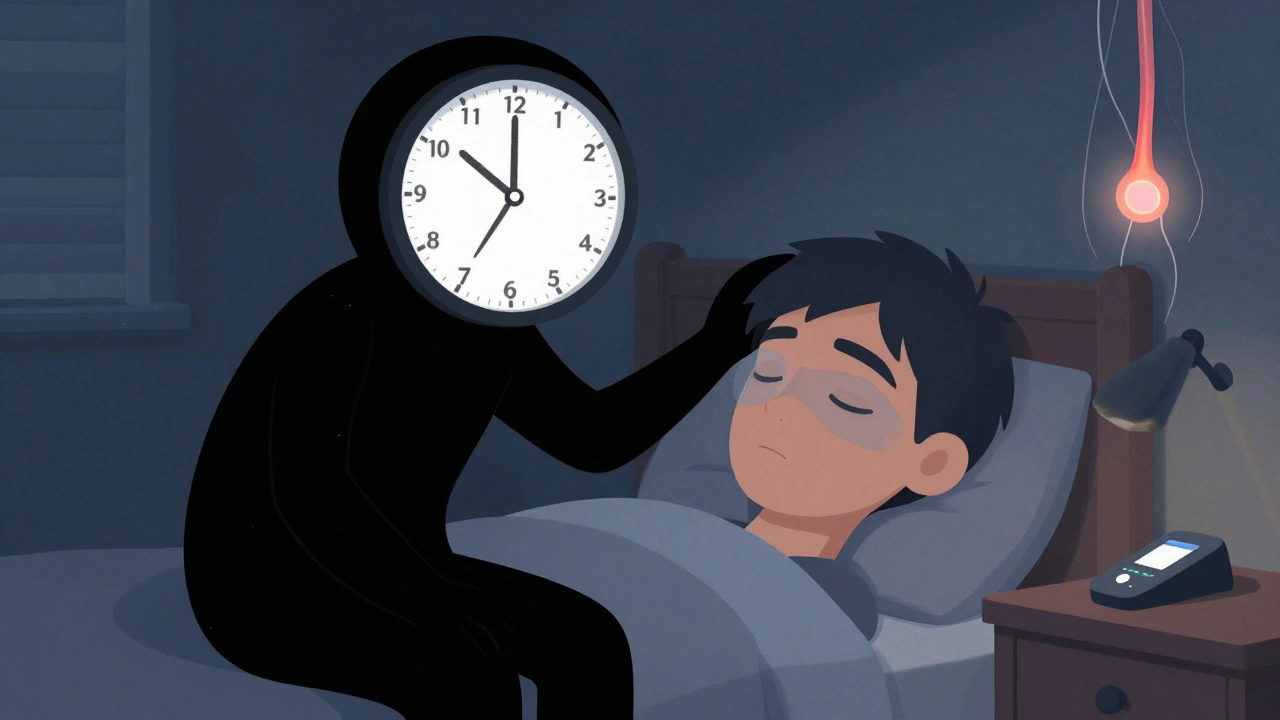
Glaucoma: Understanding Elevated Eye Pressure and Optic Nerve Damage
Glaucoma silently damages the optic nerve, often without symptoms. Elevated eye pressure is a major risk, but not the only cause. Learn how it works, how it's diagnosed, and what treatments actually work.
December 4 2025