
Generic Medication: What It Is, How It Works, and When It Matters
When you hear generic medication, a version of a brand-name drug that contains the same active ingredient, dosage, and intended use. Also known as generic drugs, it's the go-to choice for millions trying to cut prescription costs without losing effectiveness. But here’s the thing: not every generic works the same way for everyone. For most people, it’s a perfect swap. For others—especially those on drugs with a narrow therapeutic index, medications where small changes in blood levels can cause serious side effects or reduced effectiveness like warfarin, thyroid meds, or seizure drugs—switching brands can trigger real problems.
The FDA says generics must be bioequivalent to the brand version, meaning they deliver the same amount of active ingredient into your bloodstream at the same speed. But bioequivalence doesn’t mean identical. The inactive ingredients—fillers, dyes, coatings—can vary. That’s why some people notice changes in how they feel after switching: stomach upset, headaches, or even a return of symptoms. It’s not always in your head. A 2020 study in Annals of Internal Medicine found that patients on generic warfarin had slightly higher rates of hospitalization for bleeding compared to those on the brand, even though the active ingredient was identical. Why? Maybe it’s how the pill breaks down in your gut. Maybe it’s the coating. Either way, your body notices.
That’s why tracking your response after a switch matters. If you’re on a critical drug, don’t just accept the change silently. Keep a log. Note your symptoms. Check your lab results. Talk to your pharmacist. They’re the ones who see your full list of meds and can flag interactions you might miss. And if you’re switching to a generic because of cost, know this: the savings are real. A 90-day supply of generic lisinopril might cost $5. The brand? $200. But savings shouldn’t come at the cost of safety. That’s why medication safety, the practice of using drugs correctly to avoid harm, errors, and dangerous interactions isn’t just about taking pills on time—it’s about knowing when to question a switch.
You’ll find posts here that show you exactly how to monitor your body after a generic switch, what to watch for with drugs like metformin or levothyroxine, and why some people need to stick with brand names even if they’re expensive. We’ll break down how lot-to-lot differences in biologics can affect you, how to use a medication log to catch problems early, and why using one pharmacy keeps your whole list of drugs safer. This isn’t about fear. It’s about awareness. You’re not just buying a pill—you’re trusting your health to its chemistry. Know what you’re taking, how to track it, and when to speak up.

Generic Appearance Changes: Why Your Pill Color and Shape Keep Changing
Generic pills often look different from brand-name versions or even from one refill to the next. Learn why pill color and shape change, how it affects medication adherence, and what you can do to stay safe.
December 15 2025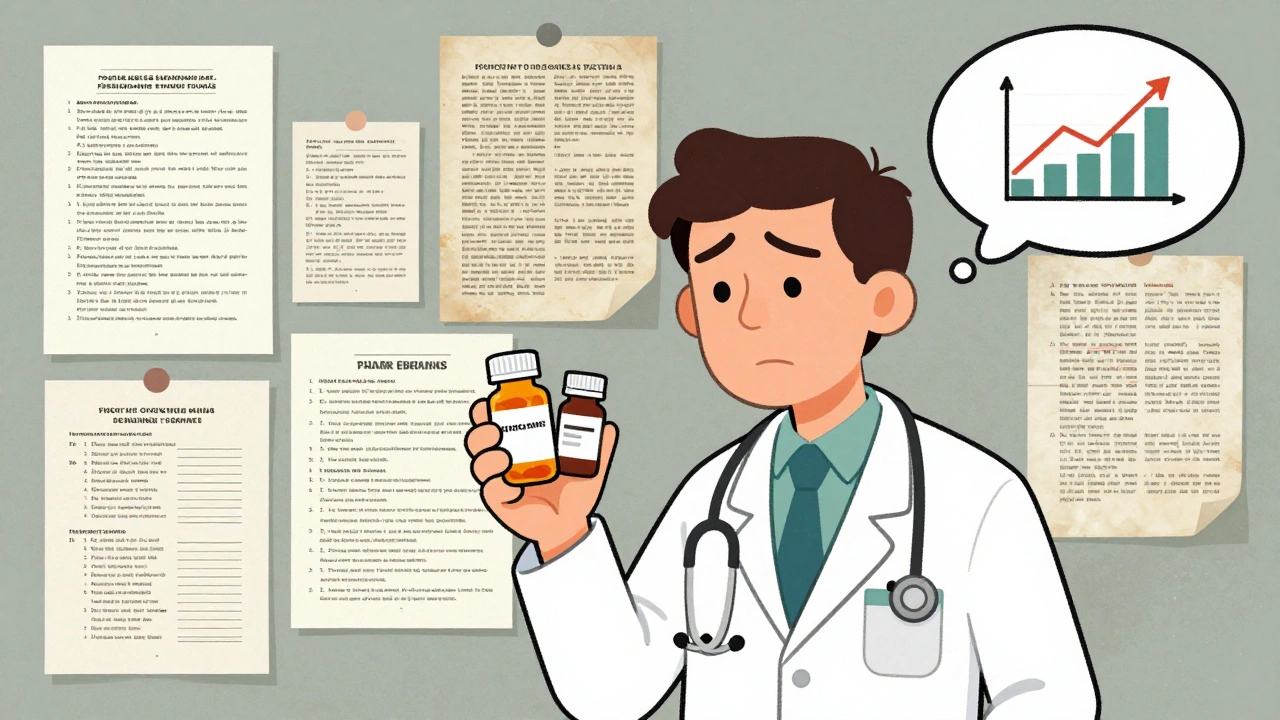
Doctor Attitudes Toward Generic Drugs: What Providers Really Think
Doctors often hesitate to prescribe generic drugs due to misconceptions about quality and effectiveness. Research shows education, real-world data, and peer influence can shift attitudes and improve patient outcomes.
December 8 2025