
Benzodiazepine Overdose: Signs, Risks, and What to Do
When someone takes too much of a benzodiazepine, a class of prescription sedatives used for anxiety, seizures, or insomnia. Also known as benzos, these drugs slow down the central nervous system — and too much can stop breathing. It’s not always obvious when someone has overdosed. Unlike opioids, benzodiazepines alone rarely cause death — but they become deadly when mixed with alcohol, painkillers, or sleep aids. This is why so many overdoses happen not because of one drug, but because of dangerous combinations.
Common benzodiazepines like diazepam, the active ingredient in Valium, or lorazepam, sold as Ativan, are often prescribed safely. But people taking them for long periods can build tolerance, leading to higher doses. Others accidentally mix them with other meds or alcohol, not realizing how much the effects multiply. Even a small increase can push someone into overdose territory. Symptoms include extreme drowsiness, confusion, slurred speech, slow or shallow breathing, and loss of coordination. In severe cases, the person may pass out or stop breathing entirely.
What makes this even more dangerous is that many people don’t realize they’re at risk. Someone might take an extra pill because they didn’t sleep well, or drink a glass of wine after their evening dose. It’s not reckless — it’s unaware. And when emergency services arrive, naloxone won’t help. Only flumazenil, a specific antidote, works — and it’s not always used because it can trigger seizures in people dependent on benzos. The best defense? Know the signs, never mix substances, and keep a medication log, a simple tool to track what you take and when — something we cover in detail in several posts here.
Overdose isn’t just about pills. It’s about patterns. People on multiple prescriptions, especially older adults managing pain, anxiety, and sleep, are at higher risk. So are those who refill benzos too early or get them from more than one doctor. That’s why using one pharmacy and talking to your pharmacist about every new med matters. It’s not just about avoiding mistakes — it’s about catching them before they happen.
Below, you’ll find real-world advice on how to prevent these kinds of errors, how to spot trouble early, and how to protect yourself or someone you care about. These aren’t theoretical tips — they come from people who’ve lived through close calls, doctors who’ve seen the aftermath, and pharmacists who know exactly where things go wrong. You’ll learn how to use tools like medication logs, how to recognize dangerous interactions, and how to talk to your doctor about safer alternatives. This isn’t fear-mongering. It’s practical safety — the kind that keeps you alive.
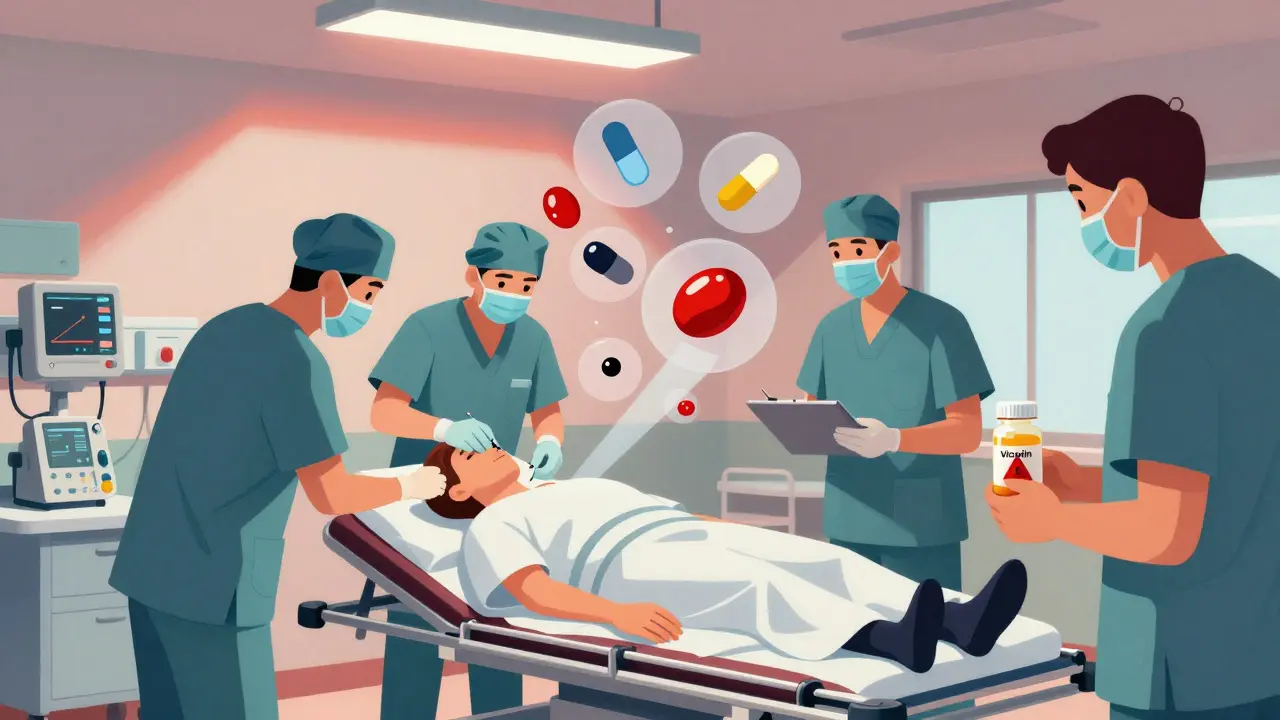
Multiple Drug Overdose: How to Manage Complex Medication Emergencies
Multiple drug overdoses are complex and deadly. Learn how naloxone, acetylcysteine, and emergency protocols work together to save lives when opioids, acetaminophen, or benzodiazepines are involved.
December 23 2025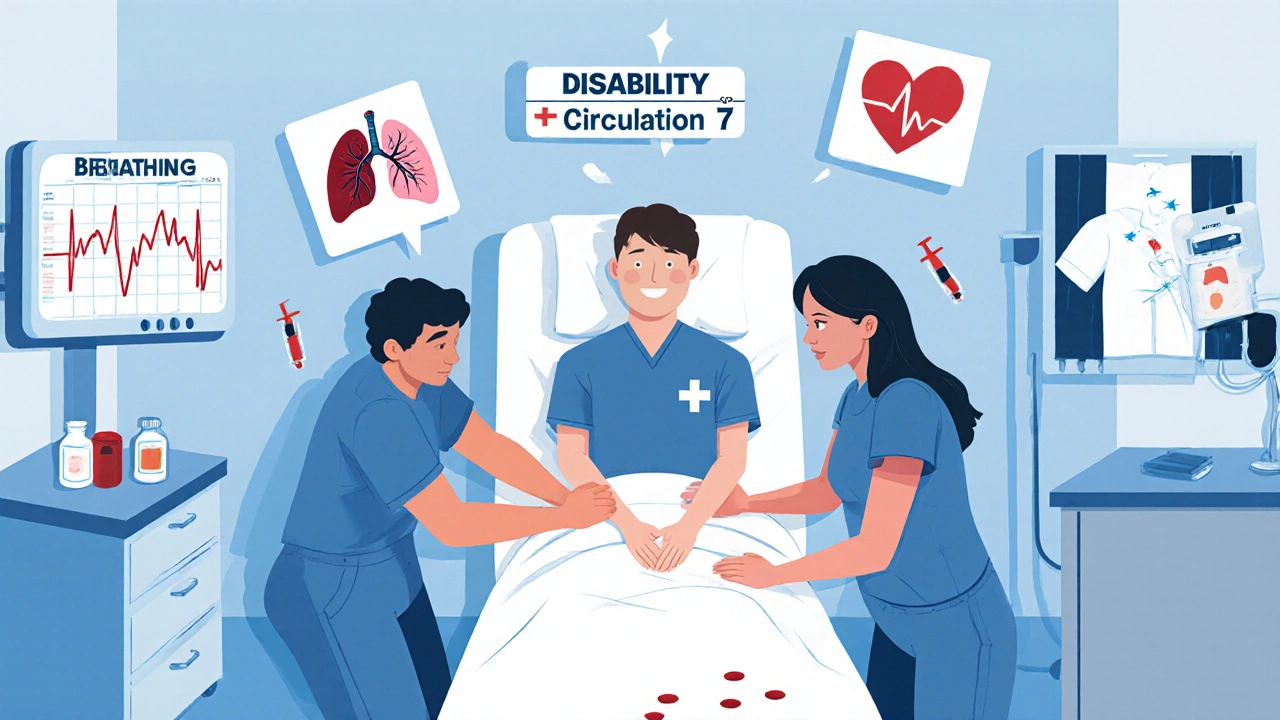
Benzodiazepine Overdose: Emergency Treatment and Monitoring
Benzodiazepine overdose causes dangerous respiratory depression, especially when mixed with opioids or alcohol. Emergency treatment focuses on airway support, oxygen, and monitoring-not flumazenil. Most patients recover with time and careful observation.
November 28 2025