
When someone overdoses on multiple drugs, it’s not just a bigger overdose-it’s a completely different emergency. Taking two or more substances at once doesn’t simply add up the dangers. It creates unpredictable, life-threatening interactions that standard protocols often don’t prepare you for. A person who swallowed a handful of pills containing both opioids and acetaminophen might seem to recover after naloxone wears off, only to slip into liver failure hours later. Or someone who took benzodiazepines with heroin could have a seizure if given flumazenil without understanding their dependence history. These aren’t rare cases. They’re becoming the norm.
Why Multiple Drug Overdoses Are So Dangerous
Most overdose deaths involve more than one substance. The CDC reports that over 80% of opioid-related fatalities in the U.S. also include other drugs-often benzodiazepines, stimulants, or acetaminophen. The danger isn’t just the dose of each drug. It’s how they interact.For example, opioids slow breathing. Benzodiazepines do the same. Together, they suppress the respiratory system far more than either would alone. Acetaminophen, on its own, can cause liver failure at high doses. But when mixed with alcohol or certain painkillers, that threshold drops dramatically. And fentanyl, which is 50 to 100 times stronger than heroin, often shows up in pills people think are oxycodone or Xanax. People don’t know what they’re taking-and that’s when things go wrong.
What makes this worse is that symptoms can hide or mask each other. A person overdosing on opioids might appear to wake up after naloxone, but if they also took a large amount of acetaminophen, their liver could be silently dying. Their breathing might be fine, but their blood work could show rising liver enzymes. By the time they feel sick, it’s too late.
First Responders: The Five Essential Steps
For anyone who might witness an overdose-family members, friends, or first responders-the SAMHSA Five Essential Steps are non-negotiable:- Assess the situation. Is the person unresponsive? Are their lips blue? Are they breathing shallowly or not at all? Don’t wait for a perfect diagnosis. If you suspect opioids are involved, act.
- Call emergency services. Even if you give naloxone, they still need a hospital. Naloxone wears off in 30 to 90 minutes. Opioids can stay in the system for hours.
- Administer naloxone. Use a nasal spray or injection immediately. If there’s no response after 2-3 minutes, give a second dose. Fentanyl overdoses often need two or three doses. Don’t hesitate.
- Support breathing. If they’re not breathing, start rescue breathing right away. Don’t wait for naloxone to kick in. Every minute without oxygen increases brain damage risk.
- Monitor closely. Stay with them until EMS arrives. Even if they wake up, they can crash again. Keep them on their side. Watch for vomiting or slowed breathing.
Many people think naloxone is a cure. It’s not. It’s a time-buyer. It gives you a window to get professional help. That window is narrow.
Acetaminophen Overdose: The Silent Killer
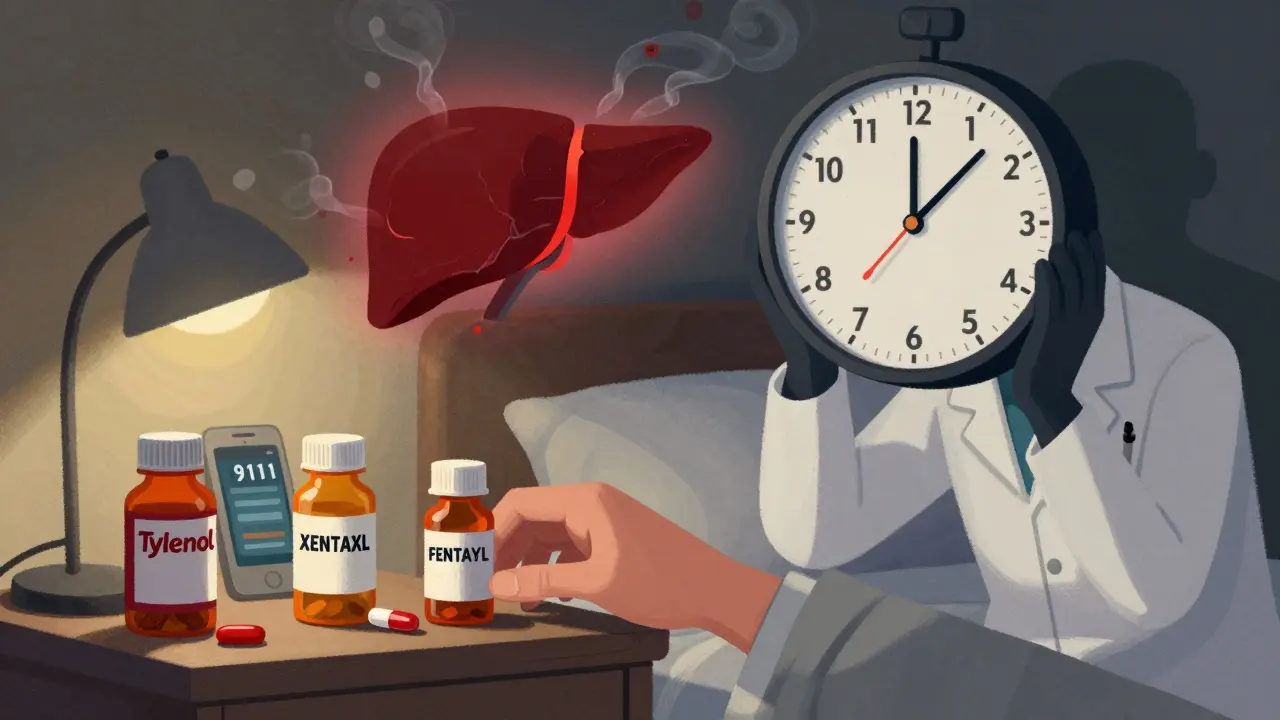
Acetaminophen is in more than 600 medications-from Tylenol to cold pills to prescription painkillers like Vicodin and Percocet. People don’t realize they’re taking it. They take a painkiller for a headache, then take another for a fever, then another for back pain. Before they know it, they’ve hit a toxic dose.The liver processes acetaminophen safely at normal levels. But above 7.5 grams in a single day-or even lower if combined with alcohol-it overwhelms the system. Toxic byproducts build up and destroy liver cells. Without treatment, this leads to acute liver failure.
Here’s what hospitals do differently now:
- They use the Rumack-Matthew nomogram to determine if acetylcysteine is needed. This isn’t just based on time since ingestion-it’s based on blood levels. If the level is above the treatment line, even if it’s been 12 hours, they start acetylcysteine.
- For people over 100 kg, dosing is capped at 100 kg. Giving more doesn’t help and increases side effects.
- If acetaminophen levels hit 900 μg/mL with signs of acidosis or confusion, they start hemodialysis. That’s rare-but it saves lives when it’s needed.
- Acetylcysteine is given as an IV drip over 20 hours. It’s not a one-time shot. Skipping doses or stopping early can mean liver failure.
And here’s the catch: if someone took acetaminophen repeatedly over 24 hours (called repeated supratherapeutic ingestion), the nomogram doesn’t apply. Doctors check liver enzymes instead. If AST or ALT levels are high, they give acetylcysteine anyway-even if the blood level looks normal.
Combination Overdoses: The Real Challenge
The most dangerous cases involve combinations. Here’s what happens when drugs collide:Opioid + Acetaminophen (e.g., Vicodin, Percocet)
Naloxone reverses the opioid part. Acetylcysteine protects the liver. But here’s the problem: naloxone lasts 30 to 90 minutes. Acetylcysteine takes 20 hours. If you give naloxone and send the person home after they wake up, they’re at risk of dying hours later from liver failure. Hospitals now keep these patients under observation for at least 12 hours-even if they seem fine.
Opioid + Benzodiazepine (e.g., heroin + Xanax)
This combo is one of the deadliest. Both depress breathing. But if you try to reverse the benzodiazepine with flumazenil, you risk triggering seizures-especially if the person is dependent. The American Addiction Centers warn: flumazenil should only be used if the patient has no history of long-term use and no seizures in their past. Otherwise, it’s more dangerous than the overdose itself.
Instead, doctors focus on supportive care: breathing support, IV fluids, and monitoring. Let the drugs clear naturally. Don’t try to reverse one without understanding the whole picture.
Tramadol Overdose
Tramadol is often called a “weak opioid,” but it’s not. It has serotonin effects too. It can cause seizures and serotonin syndrome. Naloxone helps-but often not enough. People need repeated doses or even a continuous IV drip because tramadol’s effects last 5-6 hours. A single dose of naloxone won’t cut it.
What Hospitals Do After the Emergency
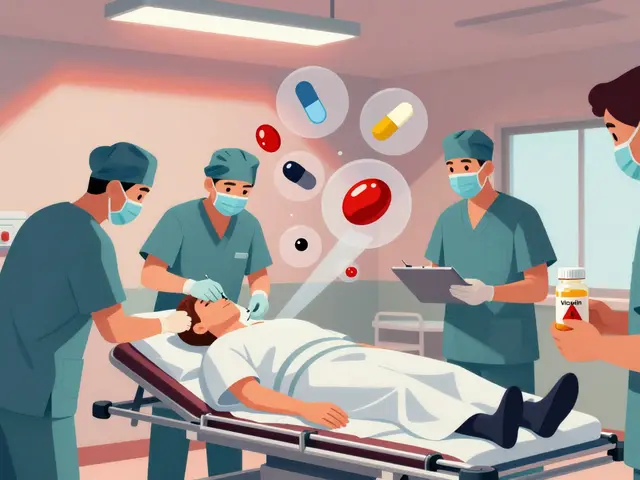
Saving someone’s life isn’t the end. It’s the beginning of a longer road.After stabilizing the patient, hospitals:
- Run full blood panels: liver enzymes, kidney function, electrolytes, blood gases.
- Check for other toxins: cocaine, methamphetamine, synthetic cannabinoids.
- Perform a psychological evaluation. Overdose is often a sign of underlying mental health or substance use issues.
- Offer referrals to addiction treatment. Programs using methadone or buprenorphine have been shown to cut overdose death risk by 50%.
- Provide follow-up care instructions. Many patients don’t know they need to avoid alcohol for weeks after acetaminophen overdose-even if their liver seems fine.
And yes, if they got activated charcoal, they’re told to drink lots of water. Charcoal causes constipation. And it can interfere with birth control pills, antidepressants, and other meds. They need to know that.
What You Can Do Now
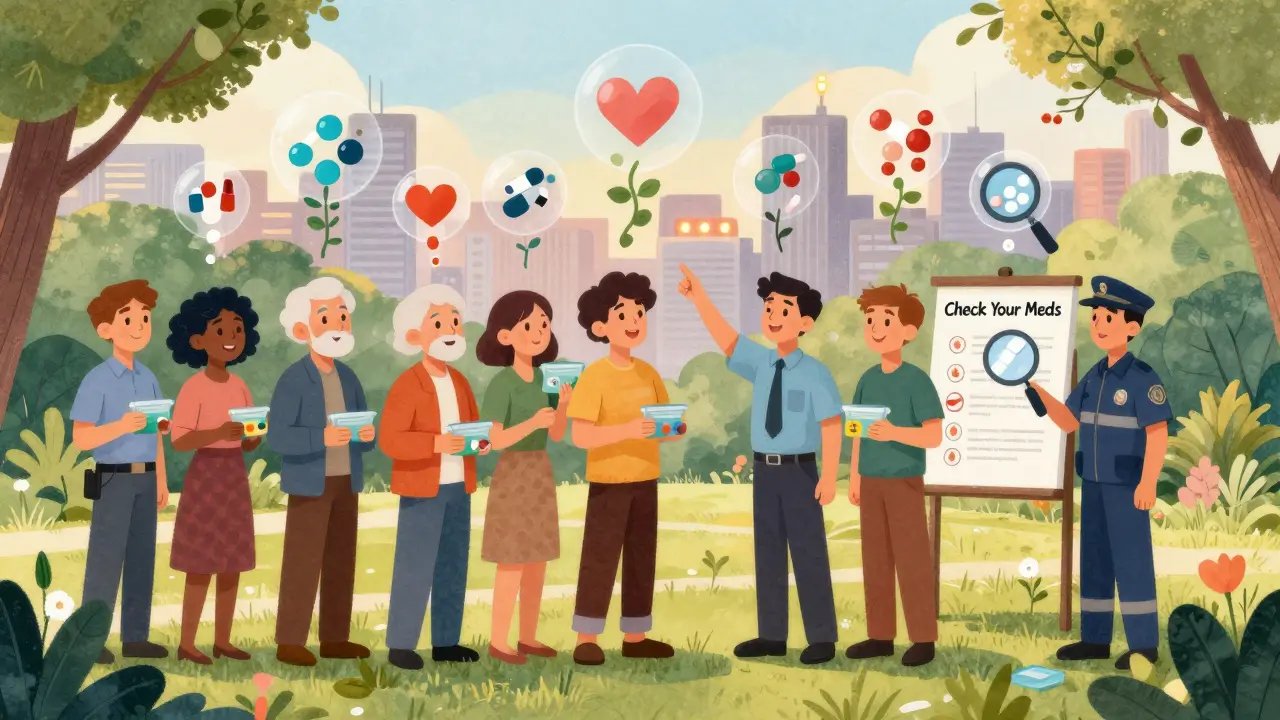
You don’t need to be a doctor to make a difference.- Carry naloxone. It’s free in many places. Pharmacies, community centers, and harm reduction programs give it out. Keep it in your car, your bag, your home.
- Learn how to use it. Watch a 2-minute video. Practice on a trainer kit. Don’t wait for an emergency to figure it out.
- Don’t call it a “drug problem.” Call it a health crisis. People who overdose aren’t weak-they’re sick. Treatment works.
- Ask about what’s in their meds. If someone takes multiple pills, ask: “Does any of this have acetaminophen?” Many don’t know.
- Stay with them. If someone overdoses and wakes up, don’t let them go to sleep. Don’t assume they’re fine. Watch them for at least 2 hours.
Public health efforts are expanding. In 2021, over 265,000 naloxone kits were distributed in the U.S. alone. But access still lags in rural areas and among older adults. If you can get one, get it. If you know someone at risk-someone recently released from jail, someone on chronic pain meds, someone who uses drugs alone-give them one. Teach them how to use it. Save a life.
What’s Next for Overdose Management
The future isn’t just better drugs-it’s better systems. The WHO and CDC are pushing for:- Universal naloxone access in prisons and jails-people released are 40 times more likely to overdose in the first four weeks.
- Integration of overdose response with long-term treatment. Emergency rooms are now starting buprenorphine on the spot for opioid users.
- Real-time poison control alerts linked to ER systems. If someone comes in with acetaminophen toxicity, the system flags if they’ve had it before.
- Community training programs that teach not just naloxone, but how to recognize early signs of overdose before it’s too late.
The goal isn’t just to reverse overdoses. It’s to stop them before they happen.
Can naloxone reverse an overdose if other drugs are involved?
Yes, naloxone only reverses opioids. If someone took opioids along with other drugs like benzodiazepines or acetaminophen, naloxone will restore breathing-but it won’t help with liver damage, seizures, or other complications. That’s why emergency care is still needed even after naloxone works.
Is it safe to give naloxone to someone who didn’t take opioids?
Yes. Naloxone has no effect on non-opioid drugs like alcohol, cocaine, or benzodiazepines. If someone is unresponsive and you’re unsure, give naloxone anyway. It won’t harm them-it might save their life.
How do I know if someone took too much acetaminophen?
They might not show symptoms for 24 hours. Early signs include nausea, vomiting, and loss of appetite. But by the time they feel sick, liver damage may already be underway. If you suspect an overdose-even if they seem fine-get them to a hospital immediately. Blood tests are the only way to know for sure.
Can you overdose on acetaminophen by taking too many cold medicines?
Absolutely. Many cold, flu, and pain meds contain acetaminophen. Taking Tylenol for a headache, then a cold tablet, then a sleep aid-all can add up to a dangerous dose. Always check the “Active Ingredients” label. Never take more than one product with acetaminophen at the same time.
Why do some people need multiple doses of naloxone?
Strong opioids like fentanyl, carfentanil, or high-dose oxycodone can overwhelm a single dose of naloxone. Fentanyl is 50-100 times stronger than heroin. It binds tightly to opioid receptors and stays longer. That’s why first responders are trained to give a second dose if there’s no response after 2-3 minutes-and sometimes a third.
What should I do after helping someone survive an overdose?
Don’t assume they’re out of danger. Stay with them until EMS arrives. After they’re stabilized, encourage them to follow up with a doctor. Many people who survive overdoses need treatment for substance use, mental health, or organ damage. Recovery starts with medical care-but it doesn’t end there.
Harsh Khandelwal
December 25, 2025 AT 08:09lol so now we're giving out naloxone like candy? next they'll be handing out free fentanyl with a side of tylenol. this whole system is rigged. the government wants you hooked so they can sell you the cure. i've seen it in the shadows. they're not saving lives-they're creating customers. 🤡
Lindsey Kidd
December 27, 2025 AT 04:20thank you for this. 🙏 i’ve had a cousin overdose last year and they didn’t even know the pill had fentanyl in it. i carry naloxone in my purse now. if you’re reading this and don’t have any-go get it. it’s free at most pharmacies. you never know when you’ll be the one who saves someone. ❤️
Rachel Cericola
December 28, 2025 AT 06:49Let me just say this: the fact that we still treat overdose as a moral failure instead of a public health crisis is why people keep dying. Naloxone isn’t a magic bullet-it’s a bridge. And if we’re not building bridges to treatment, we’re just putting band-aids on bullet wounds. The liver damage from acetaminophen? Silent. The seizures from flumazenil misuse? Preventable. The lack of follow-up care? Criminal. Hospitals need mandatory addiction consults post-overdose. Not optional. Not ‘if you feel like it.’ Mandatory. And if you’re not advocating for that, you’re part of the problem.
Blow Job
December 28, 2025 AT 22:19My sister took a Vicodin for her back and didn’t realize it had acetaminophen. She took two more later for a headache. By morning, her liver was failing. We got her to the hospital in time because we knew to check the labels. Please, if you’re on meds-read the damn bottle. And if you’re helping someone who overdosed? Don’t let them sleep. Don’t assume they’re fine. Watch them. For two hours. At least.
Christine Détraz
December 29, 2025 AT 20:43I’ve worked in ER for 12 years. This post nails it. But here’s what no one talks about: the stigma. The nurses who roll their eyes when another ‘junkie’ comes in. The cops who arrest people right after they wake up from naloxone. We can’t save lives if we treat them like criminals. Compassion isn’t weakness. It’s the only thing that works.
Bhargav Patel
December 31, 2025 AT 10:22One cannot help but reflect upon the ontological paradox inherent in the modern pharmacological landscape: the very substances designed to alleviate suffering have become the primary agents of its intensification. The human organism, a delicate equilibrium of biochemical processes, is now routinely subjected to polypharmacological chaos-a collision of molecular intentions, each unaware of the other’s existence within the same corporeal vessel. Is it not the height of hubris to believe that we can engineer relief without comprehending the totality of consequence? The naloxone, the acetylcysteine, the hemodialysis-they are all post-hoc interventions. The true remedy lies not in emergency response, but in the cultivation of wisdom-individual, communal, and systemic.
Joe Jeter
January 2, 2026 AT 05:14So let me get this straight. You’re telling me we should give out free antidotes to people who chose to do drugs? What’s next? Free heroin with a coupon? This isn’t healthcare-it’s enabling. People need to stop being irresponsible and take accountability. If you can’t control your intake, maybe you shouldn’t be taking it at all.
Sidra Khan
January 3, 2026 AT 10:42Wow. So much info. But where’s the data on how many people actually use naloxone correctly? I bet 80% of the people who get it just leave it in their glovebox until it expires. And the ‘don’t call it a drug problem’ thing? That’s just woke language. It IS a drug problem. We need less sugarcoating and more tough love.
Lu Jelonek
January 3, 2026 AT 14:26In my country, we don’t hand out naloxone freely. We focus on prevention through education-teaching people about dosage, labeling, and the dangers of mixing meds. It’s not glamorous, but it works. Maybe we need less emergency response and more cultural change around medication use. People don’t realize how many pills contain acetaminophen. It’s not a conspiracy-it’s negligence.
Ademola Madehin
January 4, 2026 AT 07:44MY BEST FRIEND DIED LAST WEEK BECAUSE HE TOOK A PILL HE THOUGHT WAS XANAX BUT IT WAS FENTANYL AND NO ONE KNEW WHAT TO DO. I CRIED FOR THREE DAYS. NOW I CARRY TWO NALOXONE KITS. I’M NOT AFRAID TO SAY IT: WE’RE LOSING OUR GENERATION. I’M TAKING A TRAIN TO DC NEXT WEEK TO PROTEST. IF YOU’RE NOT DOING SOMETHING, YOU’RE PART OF THE PROBLEM.
siddharth tiwari
January 6, 2026 AT 05:24they say fentanyl is everywhere but i think its a hoax. why would they poison the streets? maybe its just bad quality pills. also why do they keep saying acetaminophen is dangerous? i take tylenol every day and im fine. maybe its the hospitals that are lying to scare people. also i think the gov wants us to be addicted so they can control us.
suhani mathur
January 6, 2026 AT 18:27Oh wow, a whole essay on how to not die from your own bad decisions. So what’s the plan? Do we just hand out naloxone and call it a day? What about the people who overdose because they’re depressed and don’t care if they live? No one talks about that. Maybe we need more therapists, not more kits. Just saying.
Diana Alime
January 8, 2026 AT 00:34i read this whole thing and like 30% of it was just like… repeating the same thing over and over. like duh naloxone wears off. we get it. also why are there so many headings? this feels like a textbook someone forced you to read. can we just get to the point? save people. don’t let them die. end.
Adarsh Dubey
January 9, 2026 AT 04:21Good summary. I’ve seen this play out in my small town. One guy overdosed twice in six months. First time, he got naloxone and left. Second time, he didn’t wake up. The difference? This time, someone stayed with him until EMS came. That’s the real lesson. Don’t walk away. Just. Don’t.
Bartholomew Henry Allen
January 11, 2026 AT 01:25America is collapsing because of weak policies and moral decay. You give out antidotes to criminals and call it compassion. We should be enforcing stricter penalties for drug use not subsidizing it. This post is dangerous. It normalizes destruction. No more handouts. No more excuses. Discipline. Order. Responsibility.