
Every year, millions of fake pills, injectables, and vials enter the global drug supply-not as mistakes, but as deliberate crimes. These aren’t just poor imitations. They’re dangerous, often deadly, and increasingly hard to spot. In 2025, law enforcement seized over 50 million doses of counterfeit medications in a single global operation. That’s not a number. That’s 50 million chances someone could have died from a pill they thought was safe.
What Gets Counterfeited-and Why
Counterfeit drugs aren’t random. Criminals target what’s profitable, in high demand, and easy to pass off as real. The biggest targets in 2024 and 2025 were weight-loss drugs like Ozempic, Semaglutide, and Tirzepatide. These medications cost hundreds of dollars a month, and people are desperate for them. That desperation makes them easy prey for online sellers offering "discounted" versions. Erectile dysfunction pills, Botox, dermal fillers, and HIV treatments are also top targets. Why? High profit margins. A single vial of real Botox sells for over $500. A fake one costs $5 to make. The difference? The fake might contain nothing. Or it might contain industrial solvents, heavy metals, or even fentanyl. Biologics-complex, injectable drugs made from living cells-are the newest frontier. These are harder to copy, but criminals are trying. In 2024, counterfeit incidents involving biologics rose 12% year-over-year. That’s alarming. If you’re getting a fake cancer drug or insulin, there’s no second chance.How These Fakes Get to You
You won’t find counterfeit medications in most pharmacies. They’re not sold in aisles. They’re shipped in small packages through the mail, hidden in parcels labeled as "cosmetics" or "dietary supplements." Over 65% of seized counterfeit drugs arrive this way-via international mail or express courier services. Online marketplaces are the main pipeline. Etsy accounts for nearly half of all illicit GLP-1 sales. Facebook, Instagram, and TikTok are used to advertise. Buyers are directed to websites that look real-complete with fake certifications, professional photos, and testimonials. One buyer in Iowa thought they were ordering from a U.S. pharmacy. They weren’t. The product came from a warehouse in Hong Kong. Even licensed pharmacies aren’t immune. In 2025, an Iowa pharmacy was fined $25,000 for selling counterfeit Ozempic. How? They bought it from a distributor who didn’t verify the source. The pharmacy didn’t know it was fake. The patient didn’t know either-until they got sick.Real Cases: Where and When
In August 2025, U.S. Customs and Border Protection intercepted 16,740 counterfeit pre-filled insulin and GLP-1 pens. The shipments came from Hong Kong, China, Colombia, and South Korea. These weren’t random finds. They were part of a coordinated crackdown targeting freight from known unlicensed factories. In Cincinnati, CBP seized $3.5 million worth of fake pharmaceuticals in one day. The haul included counterfeit HIV medications, weight-loss injectables, and erectile dysfunction pills. All were labeled with fake lot numbers and expiration dates. Some had misspelled brand names. Others had packaging that looked right-but felt too light, or had slightly off-color labels. Overseas, the pattern was the same. In Gqeberha, South Africa, police seized R2.2 million ($118,000) in fake medications. In Nigeria, NAFDAC shut down a facility producing unregulated herbal "cures" for diabetes and hypertension. These weren’t just unapproved-they were untested. One batch contained crushed glass. The most chilling case? A man in California bought counterfeit dermal fillers from a seller on Instagram. He thought he was getting a $300 treatment. He got severe cellulitis. The product contained unknown particulates. He lost skin on his face. The seller vanished.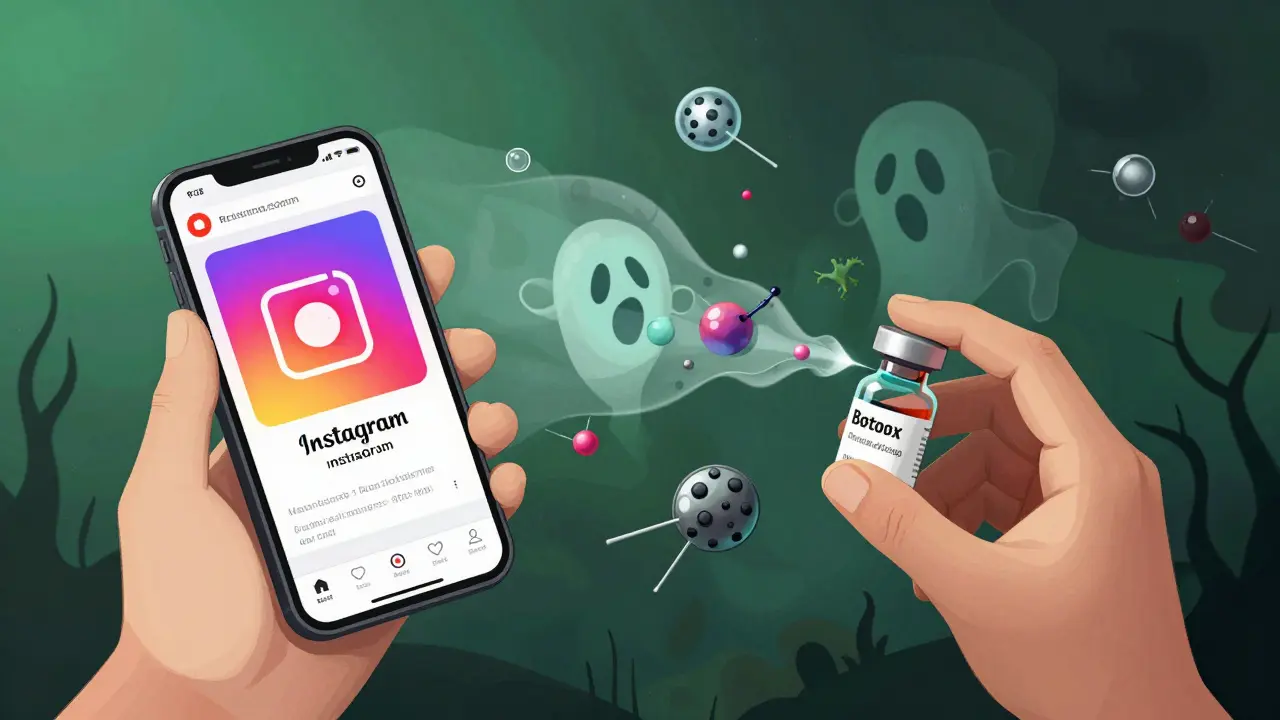
Why It’s So Hard to Stop
You’d think border agents could catch these fakes. But here’s the problem: U.S. law only lets Customs seize drugs that are outright counterfeit-fake brand names, fake logos, fake manufacturing codes. If a product has the right active ingredient but is sold without a prescription, or lacks proper labeling, it’s not illegal to import under the Food, Drug, and Cosmetic Act. That means tons of dangerous products slip through because they’re not technically "counterfeit." They’re just illegal. Criminals are adapting. They’re shipping unassembled parts: empty vials from one country, labels from another, active ingredients from a third. They assemble the final product near the destination-making it harder to trace. Some even use blockchain-style tracking codes that look real but are copied from legitimate batches. And then there’s the scale. In 2024, the DEA seized 61.1 million fake pills. That’s more than one fake pill for every five adults in the U.S. The number dropped 24% in 2025-but that’s not because the problem got better. It’s because criminals switched tactics. More fakes are now being sold as injectables or compounded drugs, which are harder to detect.What Happens When You Take a Fake
Most people assume a fake pill is just ineffective. That’s not true. Some contain no active ingredient at all. A patient taking fake Ozempic for weight loss doesn’t lose a pound. But they think the drug isn’t working-and increase their dose. They end up taking more than they should, risking overdose if they later get a real one. Others contain toxic substances. Analysis of seized GLP-1 counterfeits found traces of industrial solvents, heavy metals like lead and arsenic, and even fentanyl. One batch had enough fentanyl to kill five people. Another contained a chemical used in paint thinner. The FDA’s MedWatch database saw a 43% jump in adverse events tied to suspected counterfeit drugs in the first half of 2025. Most reports came from people using weight-loss injectables or cosmetic fillers bought online. Symptoms included strokes, organ failure, infections, and permanent disfigurement. There’s no official count of deaths caused by counterfeit drugs. But experts agree: the number is rising-and it’s underreported. Many patients never connect their illness to the medication they bought online.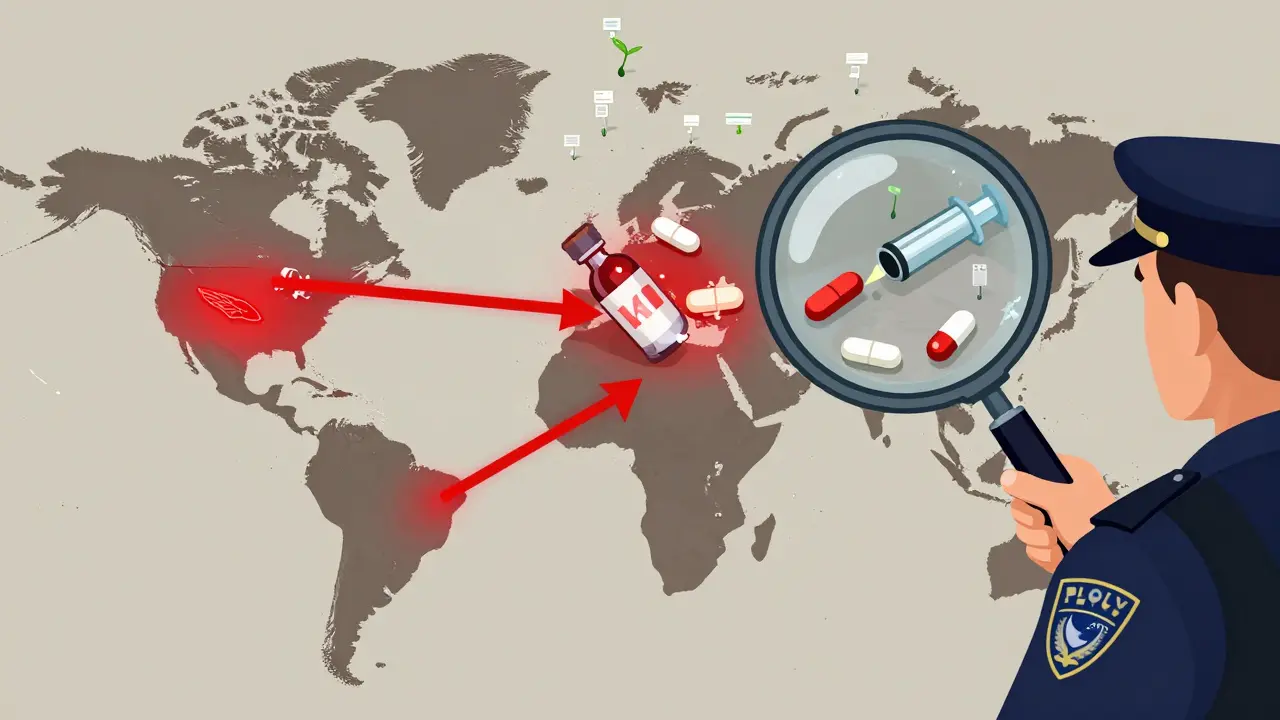
What’s Being Done-and What’s Not
Interpol’s Pangea XVI operation in 2025 was the largest global crackdown ever. 90 countries participated. 769 arrests. 123 criminal groups dismantled. 50.4 million doses seized. 13,000 websites shut down. That sounds impressive. But it’s a game of whack-a-mole. For every fake website taken down, ten pop up. For every shipment seized, ten more are already in transit. Pharmaceutical companies like Pfizer have spent over 20 years training law enforcement to spot counterfeits. They’ve trained agents in 183 countries. They’ve shared packaging details, batch number patterns, and even the exact shade of ink used on real labels. But without legal power to act on all violations, enforcement remains fragmented. Some companies are turning to technology. Blockchain tracking systems have reduced counterfeit incidents by 37% in pilot programs. Each bottle gets a unique digital code. Patients scan it to verify authenticity. But these systems only work if patients use them-and most don’t know they exist.How to Protect Yourself
If you’re buying medication online, here’s what you need to know:- Only buy from pharmacies that require a prescription and are licensed in your country.
- Check the website’s address. Legit pharmacies use .pharmacy domains (like www.example.pharmacy). Avoid sites ending in .com, .net, or .xyz if they’re selling controlled drugs.
- Look for the VIPPS seal (Verified Internet Pharmacy Practice Sites). It’s a trusted mark from the National Association of Boards of Pharmacy.
- If the price is too good to be true, it is. Real Ozempic costs $1,000 a month in the U.S. A $150 version is fake.
- Never buy injectables from social media sellers. Ever.
- If you feel strange after taking a new medication-dizziness, nausea, swelling, chest pain-stop taking it and call your doctor immediately.
The Bigger Picture
Counterfeit drugs aren’t just a law enforcement issue. They’re a public health emergency. They erode trust in medicine. They hurt real patients. They fund organized crime. The OECD estimates the global trade in fake goods hit $467 billion in 2021. Pharmaceuticals make up a small slice-but the consequences are massive. While counterfeit shoes might give you blisters, counterfeit insulin can kill you. The answer isn’t just more raids. It’s better laws. Global coordination. Transparent supply chains. And public awareness. Until patients stop buying from shady websites, the problem won’t go away. The next time you see an ad for "cheap Ozempic" or "discount Botox," ask yourself: Who’s really saving money here? The buyer? Or the criminal?How can I tell if my medication is counterfeit?
Check the packaging for spelling errors, mismatched fonts, or unusual colors. Compare the pills to images on the manufacturer’s official site. If the pills look different-wrong shape, size, or color-it could be fake. Use a verified pharmacy’s verification tool if available. If you’re unsure, take it to a licensed pharmacist for testing.
Are online pharmacies safe?
Only if they’re verified. Look for the VIPPS seal from the National Association of Boards of Pharmacy. Legit online pharmacies require a valid prescription, have a physical U.S. address, and employ licensed pharmacists. Avoid sites that sell controlled substances without a prescription, or that ship from overseas. Most fake drug sales happen through unverified websites.
What should I do if I think I took a fake drug?
Stop taking it immediately. Contact your doctor or pharmacist. Report it to the FDA’s MedWatch program at fda.gov/medwatch. If you have the packaging or remaining pills, keep them-they may help investigators trace the source. Don’t throw them away.
Why are counterfeit drugs so common in weight-loss medications?
Because demand is sky-high and supply is limited. Drugs like Ozempic and Wegovy are in short supply, and insurance often doesn’t cover them. That creates a black market. Criminals exploit desperation. They make cheap, dangerous copies and sell them online for a fraction of the real price. The profit margin is massive-and the risk of getting caught is low.
Can the government stop counterfeit drugs completely?
No-not alone. Counterfeit drugs are a global problem that crosses borders, legal systems, and law enforcement agencies. Stopping them requires international cooperation, better technology, stronger laws, and informed consumers. Enforcement operations like Pangea XVI help, but they’re reactive. The real solution is prevention: better tracking, public education, and making real drugs more affordable and accessible.
Angela Spagnolo
December 27, 2025 AT 22:41Okay, I just read this and my hands are shaking… I bought a "discount" semaglutide vial last year from a TikTok ad. I thought it was just expensive because of insurance, but now I’m realizing I might’ve been lucky to just get nausea instead of… something worse. I threw the rest away. I’m so scared.
david jackson
December 28, 2025 AT 00:11Let me tell you, this isn’t just about pills-it’s about how capitalism turns human desperation into a commodity. People are starving for relief-from obesity, from diabetes, from loneliness masked as aesthetic dissatisfaction-and criminals are just the predators waiting at the end of the Google search. The fact that the FDA can’t seize something just because it has the right active ingredient but no prescription label? That’s not a loophole-that’s a death warrant written in bureaucratic legalese. And don’t even get me started on how Instagram influencers are selling vials like they’re limited-edition sneakers. One guy posted a before-and-after with the caption "#GLP1Magic" and the comments were full of people begging for his link. I cried reading it.
Jody Kennedy
December 28, 2025 AT 06:42STOP BUYING FROM INSTAGRAM. I know you think you’re saving money, but you’re not. You’re paying with your health. I work in a clinic, and I’ve seen three patients this month alone with chemical burns from fake fillers. One girl lost half her cheek. She’s 19. She thought she was getting a "quick fix." There’s no quick fix when your body starts rejecting what you thought was beauty. Please, please, please-go to a licensed provider. Even if it takes a year to save up. Your face, your life-it’s worth it.
christian ebongue
December 28, 2025 AT 16:26typo: "fentanyl" not "fentanyl" lol. but yeah, this is terrifying. also, why are we still letting customs only act on "counterfeit" and not "illegal"? that’s like only arresting people who steal with a mask on. the real criminals just take off the logo and call it "generic". genius.
jesse chen
December 29, 2025 AT 19:42This hit me hard. My mom’s on insulin. She’s on Medicare, and the co-pay is still $45 a vial. I can’t imagine her turning to a shady site just to make ends meet. I’m going to call her tonight and make sure she’s buying from her pharmacy. Also, I’m sharing this post with everyone I know. This isn’t just a drug problem-it’s a care problem.
Joanne Smith
December 31, 2025 AT 06:54So let me get this straight: we’ve got a black market thriving because Big Pharma prices life-saving meds like luxury handbags, and then we blame the victim for buying the knockoff? The system is rigged. I’m not saying it’s okay to buy fake meds-but I’m saying if your insulin costs more than your rent, you’re not a criminal-you’re a casualty. And until we fix the pricing, the fakes will keep flowing. The real crime isn’t the seller. It’s the boardroom.
Prasanthi Kontemukkala
December 31, 2025 AT 17:54Thank you for writing this with such clarity. In India, we also see fake diabetes and hypertension medicines sold in small towns under the guise of "Ayurvedic remedies." Many elderly people trust these because they’re cheaper and sold by local healers. But the truth is just as dangerous-some contain steroids, others heavy metals. I’ve started a small community group to educate elders about checking for government-approved labels. It’s slow work, but every person we reach is one less tragedy. We must all be vigilant-not just for ourselves, but for those who don’t know how to look.
Lori Anne Franklin
January 1, 2026 AT 09:03my friend just got her first ozempic prescription and she’s crying because it’s $900… i just wanna hug her and tell her to wait til the generics drop… but i also wanna scream at the companies. why is this so hard??