
Every year, thousands of generic medications are pulled from shelves because they don’t meet basic safety standards. You might not hear about it on the news, but if you take a generic drug - and millions of Americans do - you could be holding a bottle that’s been flagged by the FDA. These aren’t rare events. Between 2015 and 2024, the FDA logged an average of 323 drug recalls per year, and nearly one in five of those involved generic versions of common prescriptions.
Why Do Generic Drugs Get Recalled?
It’s easy to assume generic drugs are just cheaper copies of brand-name pills, but that doesn’t mean they’re less important. They have to meet the same standards for effectiveness and safety. So when they fail, it’s usually because something went wrong during manufacturing.
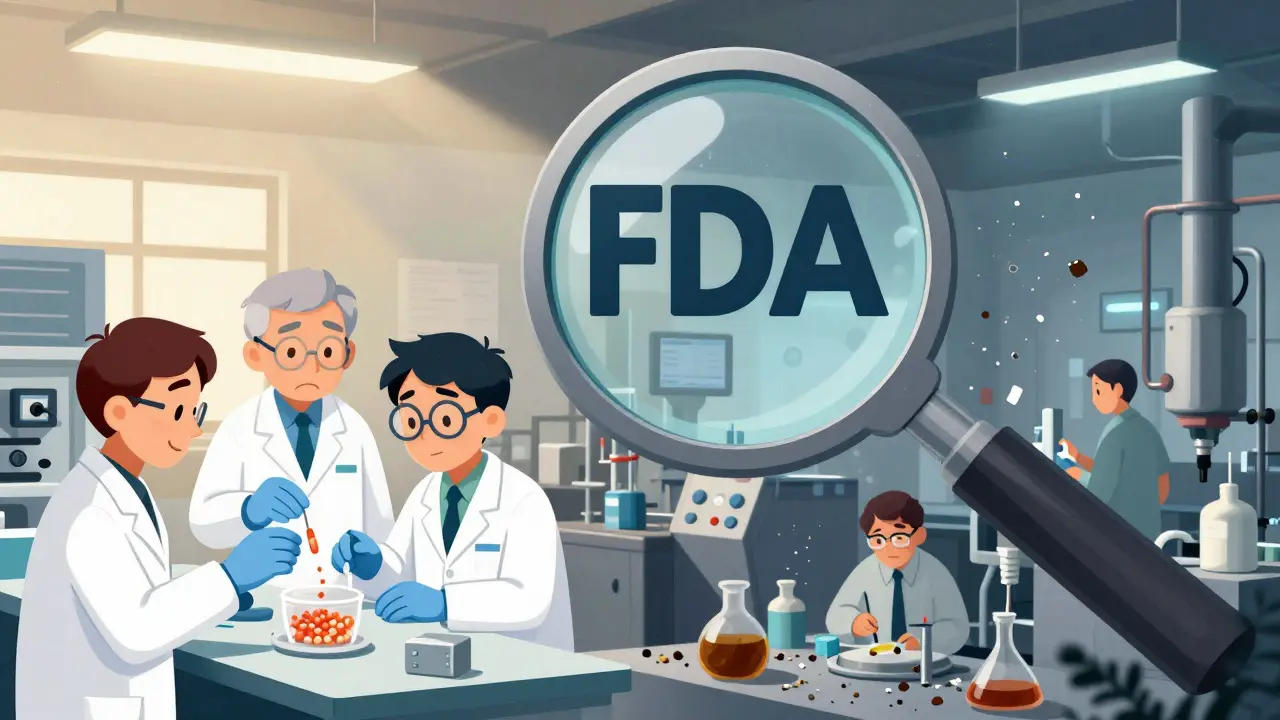
The most common reason? Violations of Current Good Manufacturing Practices (CGMP). These are strict rules about how drugs are made - from the cleanliness of the factory floor to how equipment is calibrated. A single misstep can ruin an entire batch. In April 2025, Glenmark Pharmaceuticals recalled nearly 40 types of generic drugs made in India because of CGMP failures. The recall included common meds like acetaminophen and ibuprofen, and even allergy pills like cetirizine. The FDA found dirty equipment, poor record-keeping, and untrained staff. These aren’t just paperwork issues. They can mean pills that don’t dissolve properly, or worse - pills that contain harmful particles.
Another big problem? Failed dissolution. This sounds technical, but it’s simple: if a pill doesn’t break down the way it should in your stomach, your body won’t absorb the medicine. That’s a big deal for drugs like atorvastatin (the generic version of Lipitor), which 47 million Americans take to control cholesterol. In September 2025, over 140,000 bottles of generic atorvastatin were recalled because lab tests showed the pills weren’t dissolving correctly. That means millions of people could’ve been taking pills that didn’t work - and their cholesterol levels were still climbing.
Then there’s contamination. In October 2025, a recall was issued for hydrocodone oral solution because of visible particles floating in the liquid. But the most alarming contamination case involved fentanyl patches. Over 50 million patches were returned because seals were leaking. Some delivered too little - leaving patients in pain. Others leaked too much, risking deadly overdose. One doctor called it one of the most dangerous recall events in recent years.
And here’s the kicker: over two-thirds of all drug recalls come from factories outside the U.S. India and China account for most of them. The FDA doesn’t have enough inspectors to check every facility regularly. Even though inspections have increased under new rules, many plants still go years without a visit. That’s why so many problems go unnoticed until a batch hits pharmacy shelves.
What Do the Recall Classes Mean?
The FDA doesn’t treat all recalls the same. They’re grouped into three categories based on how dangerous they are:
- Class I - The most serious. These drugs could cause serious injury or death. Think contaminated injectables or pills with the wrong active ingredient.
- Class II - The most common. These won’t kill you, but they could make you sick or stop working. Most generic recalls fall here. The 2025 atorvastatin and Vyvanse recalls were Class II.
- Class III - Least risky. The drug might have a labeling error or minor impurity, but it’s unlikely to harm you.
Knowing the class matters. If you’re told your medicine is Class II, it doesn’t mean you need to panic - but it does mean you need to act.
What Should You Do If Your Drug Is Recalled?
First, don’t panic. Second, don’t stop taking your medicine unless your doctor says so.
For example, if you’re on generic Vyvanse for ADHD and find out your batch is being recalled, stopping suddenly can trigger severe withdrawal: extreme fatigue, depression, or a total rebound of symptoms. The same goes for blood pressure meds, antidepressants, or heart drugs. Your body depends on consistent dosing. Abruptly stopping can be more dangerous than taking a slightly flawed pill.
Here’s what to do instead:
- Contact your doctor or pharmacist. They’ll tell you if your specific lot number is affected. Many pharmacies now have automated systems that check your prescription against recall lists and notify you when you pick up your refill. CVS reported it reaches 92% of affected patients this way.
- Don’t throw the pills away. Take them back to the pharmacy. They’ll handle disposal and often give you a replacement or refund.
- Check the lot number. It’s printed on the bottle or box. If you’re unsure, call the manufacturer. Many have dedicated recall hotlines.
- Report side effects. If you feel anything unusual - dizziness, nausea, or a sudden change in how you feel - report it to the FDA’s MedWatch program. These reports help the agency spot patterns and prevent future recalls.
Don’t assume you’ll get a letter. About 19% of recall notices never reach patients. That’s why checking your medication yourself is critical.
Who’s Most at Risk?
It’s not just about the drug - it’s about who takes it. People on long-term medications are most vulnerable. That’s why opioid generics (like hydrocodone and oxycodone) are recalled more often than others. About 5.4% of all recalls involve opioids. For someone dependent on these drugs, even a small change in potency can be dangerous.
Also, older adults. Many take five or more prescriptions a day. If one generic drug fails, it can throw off their whole regimen. And since they’re more likely to rely on pharmacies for delivery or refill reminders, they’re especially at risk if notification systems fail.
And let’s not forget the economic impact. A single major recall can cost a manufacturer over $47 million. Glenmark’s stock dropped 14% after its 2025 recall. Sun Pharma lost nearly 10% after the Vyvanse recall. These losses ripple out - leading to drug shortages. About 37% of recalls cause temporary shortages, and the average shortage lasts over eight weeks. For patients on statins or insulin, that delay can mean hospital visits.
What’s Being Done?
The FDA isn’t sitting still. In 2023, they doubled inspection frequency for high-risk factories - from once every five years to once every two. And by 2026, they’ll be screening 100% of imported generic drugs using a new system called PREDICT. That’s a big step.
Pharmaceutical companies are stepping up too. In January 2025, major generic makers like Teva, Viatris, and Apotex launched the Generic Pharmaceutical Quality Consortium. They’re spending $285 million to set up independent labs in India and China to test batches before they leave the factory. This isn’t charity - it’s survival. Repeated recalls hurt trust and profits.
But here’s the truth: the system is still fragile. With over 68% of generics made overseas, and inspection resources stretched thin, mistakes still happen. And even with better tracking, nearly one in five patients never learn their drug was recalled.
How to Stay Safe
You can’t control the factory. But you can control what you do with your medicine.
- Keep your pill bottles. Don’t toss them right away. The lot number and expiration date are your first line of defense.
- Check for recalls monthly. The FDA updates its recall list weekly. Bookmark their page or sign up for email alerts.
- Ask your pharmacist. If you take multiple generics, ask them to check your list for active recalls.
- Don’t rely on pharmacies alone. Even the best systems miss people. If you’re on a critical drug - like blood thinners, insulin, or seizure meds - take extra care.
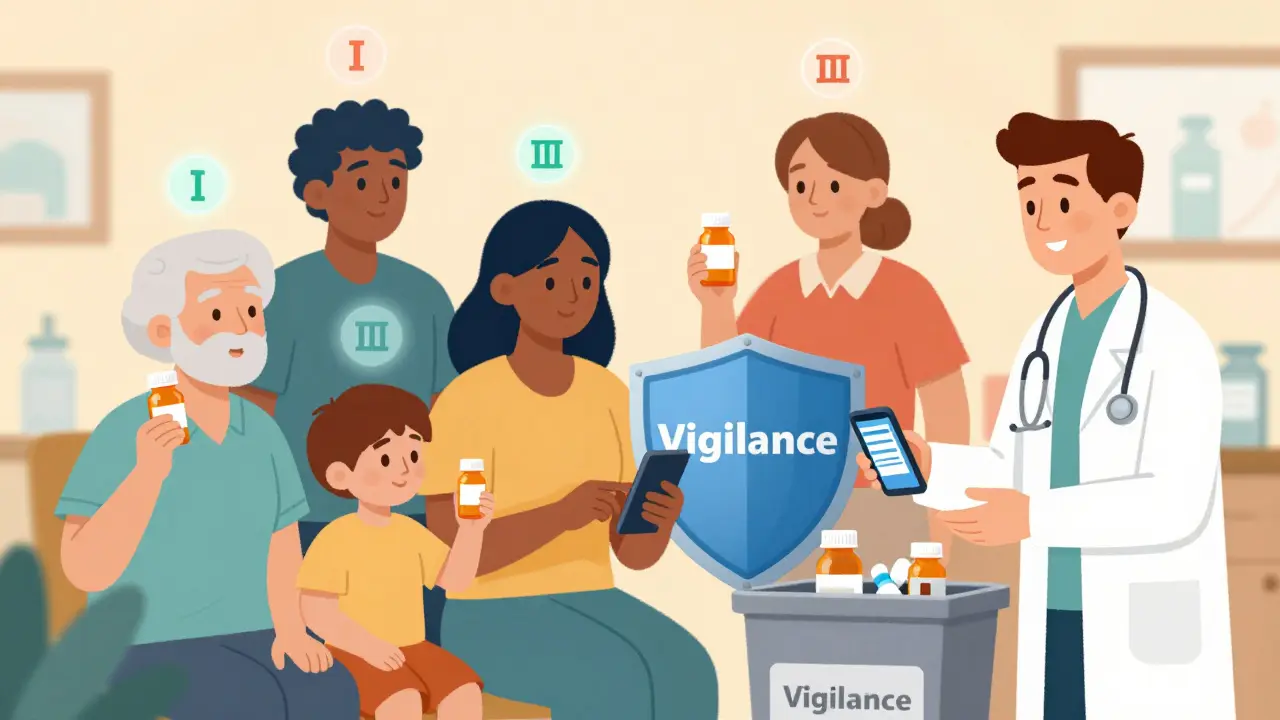
Generic drugs saved the U.S. healthcare system billions. But their safety depends on constant vigilance - from manufacturers, regulators, and you. You’re not just a patient. You’re a watchdog.
Are generic drugs less safe than brand-name drugs?
No, generic drugs are not inherently less safe. They must meet the same FDA standards for strength, quality, and performance as brand-name drugs. The difference is in cost - not safety. Most recalls happen because of manufacturing errors, not because generics are inferior. In fact, many brand-name drugs are made in the same factories as generics. The issue isn’t the type of drug - it’s the quality control at the facility.
Can I still take my medicine if it’s on recall?
It depends. For Class I recalls, stop immediately and contact your doctor. For Class II - which covers most generic recalls - don’t stop cold turkey. Abruptly stopping medications like antidepressants, blood pressure pills, or ADHD drugs can cause dangerous withdrawal. Instead, call your pharmacist or prescriber. They’ll tell you whether to keep taking it until you get a replacement. Never make this decision on your own.
How do I know if my drug is recalled?
Check the lot number on your bottle against the FDA’s recall list. You can search it online at fda.gov/safety/recalls. Many pharmacies also notify you automatically when you refill. But don’t wait for them - check yourself. About 19% of patients never get notified. Also, look for recall notices from the manufacturer - they often post them on their website.
Why do so many recalls come from India and China?
Because most generic drugs are made there. Over 68% of U.S. drug manufacturing happens overseas, with India alone responsible for 43% of recalls. The reason is cost: labor and facilities are cheaper. But this creates oversight gaps. The FDA inspects foreign plants less often than U.S. ones, and some factories have repeated violations. It’s not about quality standards - it’s about enforcement. New rules are tightening inspections, but it’s still a weak link in the chain.
What should I do if I think my medicine isn’t working?
If you notice a sudden change - like your blood pressure spiking, your pain returning, or your mood crashing - it could be a sign your pill isn’t dissolving properly or is contaminated. Check the lot number against the FDA recall list. If it matches, contact your doctor immediately. Even if it’s not recalled, report your experience to MedWatch. These reports help the FDA catch patterns before more people are affected.
Milad Jawabra
March 4, 2026 AT 17:03Zacharia Reda
March 6, 2026 AT 00:46Jeff Card
March 6, 2026 AT 02:11Gretchen Rivas
March 7, 2026 AT 19:29Mike Dubes
March 7, 2026 AT 21:08Helen Brown
March 8, 2026 AT 03:40John Cyrus
March 8, 2026 AT 18:05Justin Rodriguez
March 9, 2026 AT 18:52Raman Kapri
March 10, 2026 AT 10:50