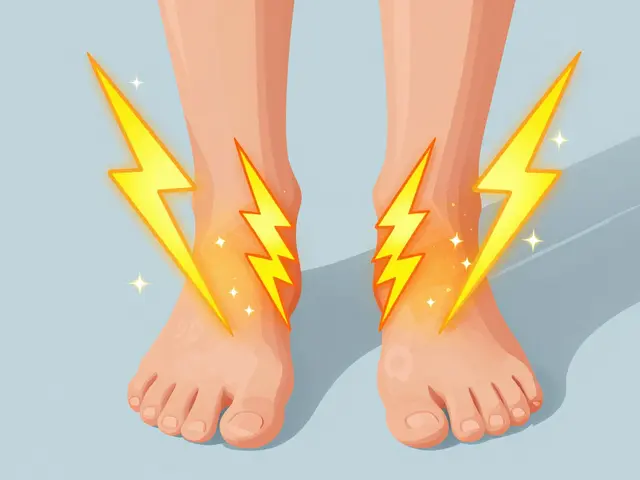
The Reality of Nerve Pain Relief
First, it's helpful to set a realistic expectation. Most medications for nerve pain aren't designed to "cure" the condition but to manage the symptoms. In clinical trials, the most effective drugs typically offer a 30-50% reduction in pain compared to a placebo. While that might not sound like a miracle, for someone who hasn't slept in a week, a 40% drop in pain is a massive win. The trick is finding the specific chemical path that works for your body, as what works for one person might cause nothing but dizziness for another.
Comparing the Heavy Hitters: Top Medications
Doctors generally lean on a few specific classes of drugs to quiet the nerves. You'll likely hear about Pregabalin (known by the brand name Lyrica) and Duloxetine (brand name Cymbalta) first. These are FDA-approved specifically for this purpose.
Pregabalin works by calming overactive nerves. It's often praised for how quickly it kicks in-some people feel relief within 48 hours. However, it comes with a price tag and a side-effect profile that includes dizziness in about 30% of users. On the other hand, Duloxetine is an SNRI that not only targets pain but also helps if you're struggling with the depression or anxiety that often comes with chronic illness. It's significantly cheaper than Pregabalin, though some users report modest weight gain.
| Medication | Primary Use | Common Side Effect | Typical Cost Tier |
|---|---|---|---|
| Pregabalin | Nerve calming / Sleep | Dizziness & Somnolence | High |
| Duloxetine | Pain / Mood support | Weight gain / Nausea | Low to Moderate |
| Gabapentin | General nerve pain | Drowsiness | Very Low |
| Amitriptyline | First-line pain relief | Dry mouth & Constipation | Very Low |
Alternative Options and Off-Label Use
If the primary drugs don't work, your doctor might suggest "off-label" options. These are medications used for other things that happen to work well for neuropathy. Gabapentin is the most common alternative; it's very affordable and similar to Pregabalin but often requires a slower titration to avoid feeling too "foggy." Tricyclic antidepressants (TCAs) like Amitriptyline are also frequently used. Despite not having a specific FDA label for neuropathy, many experts consider them a first-line choice because they can be highly effective at lower doses.
For those who want to avoid systemic drugs, topicals are a great bet. The 8% capsaicin patch can be a game-changer for foot pain, though the initial application can feel like a localized fire for some. Lidocaine patches are another softer option for localized numbing. As for opioids, the consensus among health organizations like the CDC is to avoid them if possible due to addiction risks, reserving them only for severe, refractory pain that doesn't respond to anything else.
The Danger Zone: Why Foot Care is Non-Negotiable
Here is the scary part: when your nerves stop sending pain signals, you stop noticing when you're hurt. This is called "sensory loss." If you step on a tack or get a blister from a tight shoe, you might not feel it until it becomes an infected ulcer. About 15% of people with neuropathy develop foot ulcers within five years. This is why diabetic neuropathy pain management isn't just about the medication; it's about a daily survival routine for your feet.
The gold standard for prevention is the "daily check." You can't rely on your sense of touch, so you have to use your eyes. Use a mirror to look at the soles of your feet every single night. Look for redness, swelling, or small cuts. If you see a sore that won't heal, get to a podiatrist immediately. Don't wait for it to hurt-because by the time it hurts, the damage is already severe.
Daily Foot Care Checklist
To keep your feet healthy and avoid the ER, follow these practical rules of thumb:
- Wash and Dry: Wash your feet daily with lukewarm water. Dry them thoroughly, especially between the toes, to prevent fungal infections.
- Moisturize Wisely: Use lotion on the tops and bottoms of your feet to prevent cracking, but never put lotion between your toes. Excess moisture there is an invitation for infection.
- Footwear First: Never walk barefoot, even indoors. A dropped coin or a stray Lego can cause a wound you won't feel. Wear breathable socks and shoes that don't pinch.
- Trim Carefully: Cut your toenails straight across. If you have poor vision or severe numbness, have a professional trim them to avoid accidental nicks.
- The 10g Test: Once a year, make sure your doctor performs a monofilament test. This uses a small nylon fiber to see exactly where you've lost sensation.
Managing the Transition: What to Expect
Starting a new medication is rarely an overnight success. Most doctors recommend a 4-to-8-week trial. You'll likely start at a very low dose to let your body adjust, then slowly increase it. For example, with gabapentinoids, 65% of patients need this gradual titration to avoid feeling too dizzy to drive. If you feel an intense side effect in the first week, don't quit immediately-talk to your doctor about adjusting the timing (like taking the dose right before bed) or the speed of the increase.
Keep in mind that your kidneys play a huge role here. Many of these drugs are cleared by the kidneys, so if you have diabetic kidney disease, your doctor will need to adjust your dosage. This is why regular blood work is just as important as the medication itself.
Can diabetic neuropathy be cured?
Currently, there is no known medical treatment that can reverse nerve damage once it has occurred. However, by controlling blood sugar levels strictly, you can prevent further damage from happening and manage the pain effectively with the right medications.
Which medication is the fastest for nerve pain?
Pregabalin is often noted for providing relief more quickly than others, with some users reporting a difference within 48 hours. However, the full therapeutic benefit usually takes 4 to 12 weeks of consistent use.
Are over-the-counter pain relievers safe for neuropathy?
Be very careful with NSAIDs (like ibuprofen or naproxen). For people with diabetes, these can increase the risk of acute kidney injury. Always consult your doctor before using them for chronic nerve pain.
Why do I feel "pins and needles" more at night?
This is common. When you lie still, you lose the distracting sensory input from walking or moving, making the abnormal nerve signals more apparent. Additionally, changes in temperature or blood flow during sleep can trigger these sensations.
What are the warning signs that a foot wound is serious?
Look for spreading redness, warmth around the area, pus, or a foul smell. Because neuropathy can mask pain, you might not feel the inflammation, but these visual signs mean you need medical attention immediately to prevent an ulcer or amputation.
Next Steps for Your Recovery
If you're just starting this journey, your first move should be a comprehensive foot exam. Get a baseline of where your sensation is missing. Then, keep a simple pain diary for two weeks: note when the pain peaks, what makes it worse (cold? touch?), and how it affects your sleep. This data is gold for your doctor and will help them choose between an SNRI like Duloxetine or a gabapentinoid like Pregabalin.
If you've already tried a few meds and they failed, ask your provider about combination therapies. Recent data suggests that combining certain agents can bridge the gap for the 30-50% of patients who don't respond to single-drug treatments. Remember, the goal isn't perfection-it's a better quality of life.