
Tramadol Seizure Risk Calculator
Seizure Risk Assessment
Determine your individual risk level based on medical history and current medication use
Note: This tool provides general risk assessment only. Always consult your doctor for personalized medical advice.
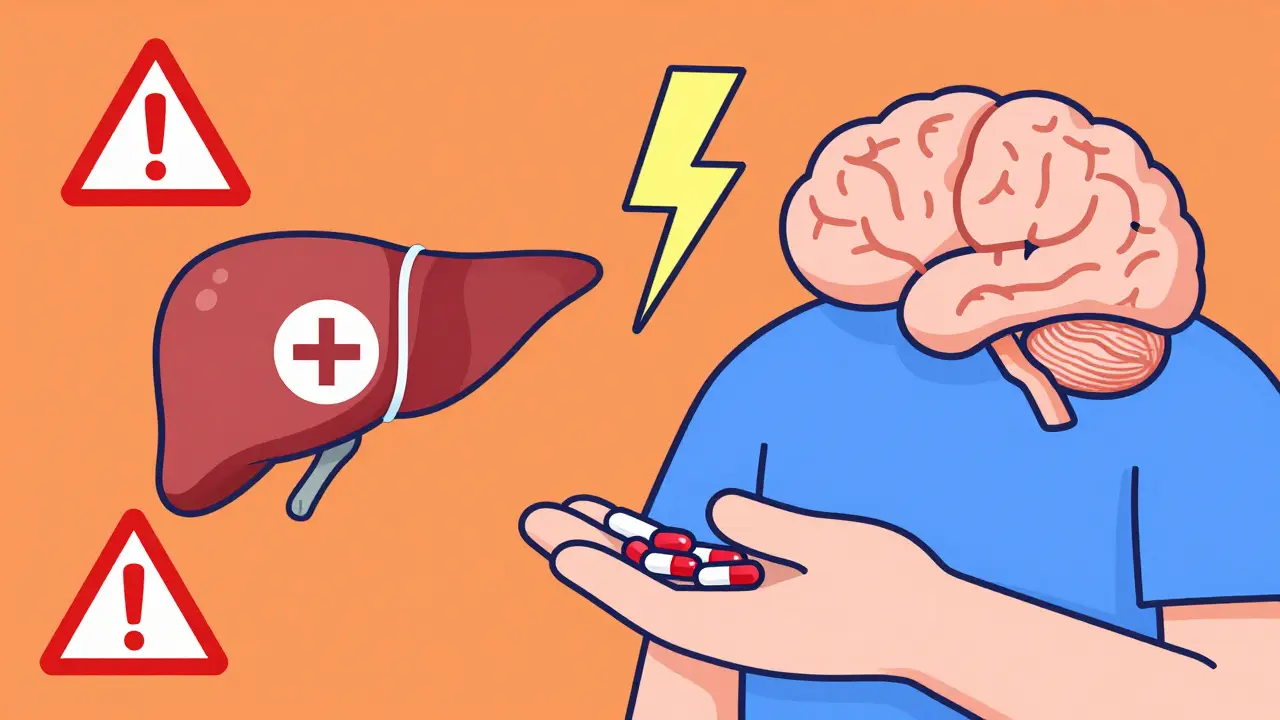
Tramadol is a synthetic opioid analgesic first approved in Germany in 1977. It's commonly used for moderate pain but carries a significant risk of seizures-even at prescribed doses. This tramadol seizure risk varies greatly depending on individual factors. Understanding who is most vulnerable can help prevent dangerous complications.
History of Seizures
A study of 167 tramadol-intoxicated patients found those with a history of seizures were 3.71 times more likely to experience seizures from tramadol. This happens because tramadol lowers the brain's seizure threshold. For people with epilepsy or prior seizures, even standard doses can trigger episodes. Doctors typically avoid prescribing tramadol for these patients unless absolutely necessary.
Medication Interactions
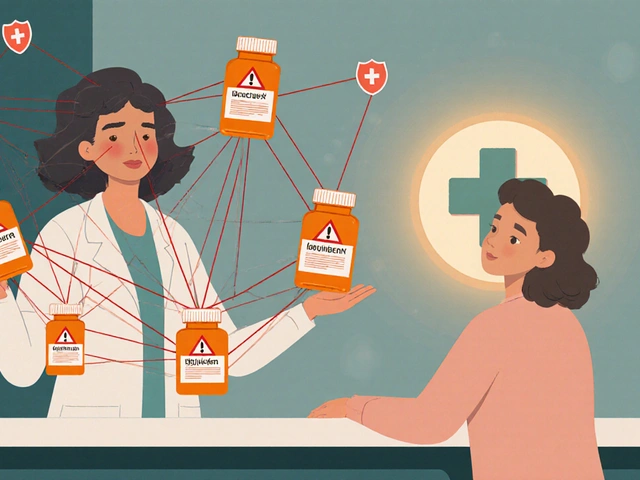
Combining tramadol with certain antidepressants greatly increases seizure risk. The problem centers on CYP2D6, a liver enzyme that converts tramadol into its active form. When this enzyme is blocked by medications like fluoxetine or paroxetine, tramadol builds up in the body.
| Antidepressant | CYP2D6 Inhibition Level | Risk Level with Tramadol |
|---|---|---|
| Fluoxetine (Prozac) | High | Very High |
| Paroxetine (Paxil) | High | Very High |
| Amitriptyline (Elavil) | High | Very High |
| Sertraline (Zoloft) | Low | Moderate |
| Citalopram (Celexa) | Low | Low |
| Escitalopram (Lexapro) | Low | Low |
Older Adults and Kidney Function
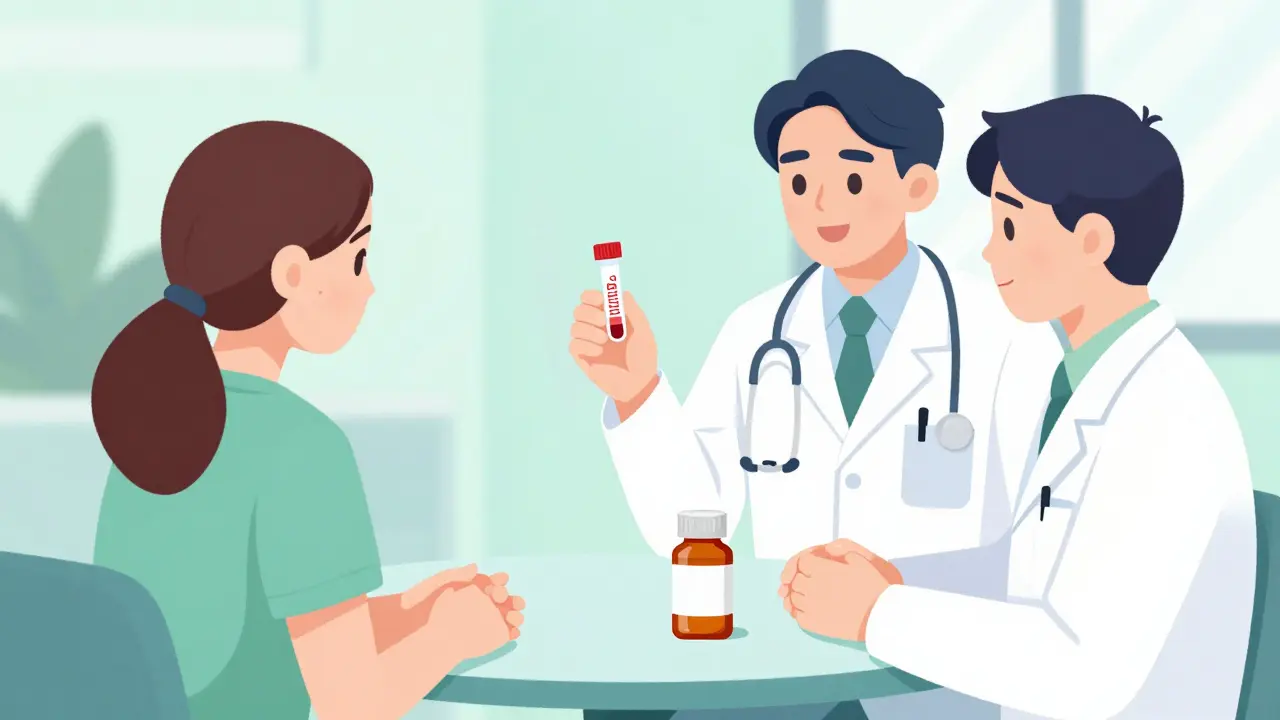
As people age, kidney function often declines. The U.S. Food and Drug Administration updated its guidelines in 2022, reducing the maximum daily tramadol dose for those with kidney issues to 300mg (from 400mg). A major 2023 study of 70,000+ older adults found combining tramadol with CYP2D6-inhibiting antidepressants increased seizure risk by 9% compared to non-inhibiting alternatives. This risk remained even after accounting for other health factors.
Dose-Dependent Risk
Higher tramadol doses directly increase seizure likelihood. In the same study of emergency room patients, those with multiple seizures took significantly higher doses-median 2800mg-compared to single-seizure cases (median 850mg). The U.S. Food and Drug Administration recommends not exceeding 400mg daily for most adults, but this limit drops further for those with kidney problems.
Steps to Stay Safe
If you're taking tramadol, discuss your risk factors with your doctor. Ask about any antidepressants you're using-especially SSRIs or TCAs. For high-risk patients, alternatives like acetaminophen or NSAIDs (if appropriate) may be safer. Get your kidney function tested and adjust your dose accordingly. Always follow your doctor's instructions and report any unusual symptoms immediately.
Can tramadol cause seizures even at prescribed doses?
Yes. Tramadol can trigger seizures even when taken as directed. Studies show that 58% of tramadol-intoxicated patients in emergency rooms experienced seizures, with many cases occurring at therapeutic doses. Individual factors like genetics, kidney function, and other medications play a key role in this risk.
Which antidepressants interact dangerously with tramadol?
Antidepressants that strongly inhibit CYP2D6-like fluoxetine (Prozac), paroxetine (Paxil), and amitriptyline (Elavil)-pose the highest risk. These medications prevent tramadol from being properly metabolized, causing dangerous buildup. Even moderate inhibitors like sertraline (Zoloft) require caution. Always check your antidepressant's interaction profile with your pharmacist.
How does kidney function affect tramadol risk?
Kidneys remove tramadol from your body. If kidney function is low (creatinine clearance below 60 mL/min), tramadol accumulates faster. The FDA now recommends a maximum daily dose of 300mg for these patients. Those with severe kidney impairment (below 30 mL/min) should avoid tramadol entirely. Always get kidney function tested before starting tramadol.
What are safer alternatives to tramadol for pain relief?
For mild pain, acetaminophen (Tylenol) or NSAIDs like ibuprofen (Advil) are often safer. For chronic pain, physical therapy, nerve blocks, or non-opioid medications like gabapentin may be options. The American Geriatrics Society lists tramadol as potentially inappropriate for older adults due to seizure risks. Always discuss alternatives with your doctor.
Should I get genetic testing before taking tramadol?
While not routine yet, genetic testing for CYP2D6 metabolism status could help identify high-risk individuals. Poor metabolizers have 3.2 times higher tramadol blood levels than normal metabolizers. Research from the University of Toronto suggests this testing might become standard practice soon. For now, discuss your family history of medication reactions with your doctor.
Dina Santorelli
February 5, 2026 AT 19:42Tramadol's seizure risk is higher than admitted.
Danielle Vila
February 7, 2026 AT 06:53Big Pharma and the FDA are in cahoots. They know tramadol causes seizures but keep selling it for profit. The truth is hidden.
Samantha Beye
February 9, 2026 AT 00:46I'm sorry you had that experience. Sharing this is important for awareness.
Gregory Rodriguez
February 9, 2026 AT 03:06Oh sure, because the FDA's all about making money. Meanwhile, people are getting proper pain relief without issues. Chill out.
Jenna Elliott
February 9, 2026 AT 12:03Tramadol dangerous. Doctors need to test patients. US regulations need to improve.
anjar maike
February 11, 2026 AT 02:17I've been taking tramadol for chronic pain for 3 years now. My doctor was very clear about the risks and made sure I was a good candidate. I have no history of seizures and my kidney function is normal. I avoid any SSRIs that interact. I take sertraline which is low risk. I always check with my pharmacist before adding new meds. The FDA guidelines are clear: if you have kidney issues, reduce the dose. I had my kidneys tested before starting. It's important to be informed. Doctors should explain all this to patients. But they often don't. So people get scared unnecessarily. But for me, tramadol works great. I'm careful and follow the rules. It's not dangerous if you know what you're doing. 🌟
Bella Cullen
February 11, 2026 AT 18:35I don't care. Just take the pill and move on.
Sam Salameh
February 13, 2026 AT 14:37Tramadol's fine if used right. Americans know how to handle it. Stop fearmongering.
Cullen Bausman
February 15, 2026 AT 09:38It is imperative that physicians adhere strictly to dosage guidelines. The misuse of tramadol is a societal issue.
Cole Streeper
February 15, 2026 AT 19:37This is all part of the government's plan to control us. They want us hooked on opioids so we're compliant.
Arjun Paul
February 16, 2026 AT 22:14Your conspiracy theories are baseless. The FDA regulates this properly. Read the studies.