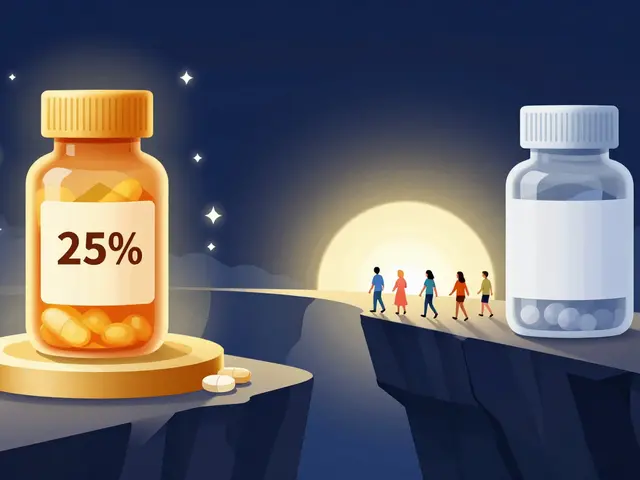
Imagine needing a life-saving pill, but the cost of a single course of treatment equals several days of your hard-earned wages. For millions of people in low-income countries, this isn't a hypothetical scenario-it's a daily reality. The gap between medical innovation and actual patient access is a chasm that often swallows the most vulnerable. However, there is a powerful tool to bridge this gap: global generics is the production and distribution of pharmaceutical products containing the same active ingredients as branded drugs but sold without patent protection. When used correctly, these medicines can slash costs by 80% or more, turning a death sentence into a manageable condition.
The Real Impact of Affordable Medicine
When we talk about global generics, we aren't just talking about cheaper pills; we're talking about systemic survival. In resource-constrained settings, the price of a drug determines who lives and who dies. The World Health Organization (WHO) has highlighted that equitable access to safe and affordable medicines is the only way to achieve universal health coverage. Specifically, SDG 3.8 aims to ensure everyone has access to essential vaccines and medicines.
The math is simple but brutal. Roughly 2 billion people worldwide still can't get the essential medicines they need. In many low- and middle-income countries (LMICs), medicines eat up between 20% and 60% of total health spending. Because nearly 90% of people in these nations pay for their meds out-of-pocket, a single illness can bankrupt a family. In fact, data shows that about 100 million people are pushed into extreme poverty every year just because of healthcare costs. By replacing expensive branded drugs with generics, health systems can treat significantly more patients with the exact same budget.
Where the System is Failing
If generics are so effective, why is the world still struggling? The problem is a mix of regulation, infrastructure, and market failure. While the U.S. market is dominated by unbranded quality-assured generics (around 85% by volume), the same products make up only 5% of the pharmaceutical market in LMICs. This is a shocking disparity. It suggests that even when cheaper options exist, they aren't reaching the people who need them most.
Regional differences are also stark. In Southeast Asia, the generic market share is high, reaching up to 90% in some areas. But in the Western Pacific region, availability has actually declined recently. Many countries are trapped by trade barriers and high tariffs that artificially inflate the price of imported generics. Furthermore, the "demand for extra safeguards"-like data exclusivity-often prevents low-income countries from manufacturing their own versions of necessary drugs, keeping them dependent on expensive imports.
| Region | Generic Market Share (Volume) | Availability Trend (Public Sector) |
|---|---|---|
| Southeast Asia | 78% - 90% | Stable/Increasing |
| Western Pacific | 48% - 69% | Declining (-5.2%) |
| Europe/East Med | Moderate | Increasing (+12.1% to +27.8%) |
| Africa | Variable | Stagnated/Infrastructure Limited |
The Role of Big Pharma and Generic Giants
The burden of access doesn't just fall on governments; it falls on the companies making the drugs. The Access to Medicine Foundation is an independent nonprofit that measures how the world's largest pharmaceutical companies make their products available in low-income countries. Their 2024 analysis showed a frustrating trend: while giants like Cipla, Sun Pharma, and Teva cover the majority of off-patent essential drugs, their actual strategies for the poorest patients are often "limited in scope."
Many companies have "inclusive business models," but they lack transparency. We know they operate in 102 LMICs, but we don't always know how many patients are actually receiving the medicine or if the price is truly affordable for someone who is uninsured. There is a huge difference between "selling in a country" and "making a drug affordable for the bottom 10% of the population." True access requires pricing based on the ability to pay, not just a discounted market rate.
Overcoming the "Last Mile" Challenges
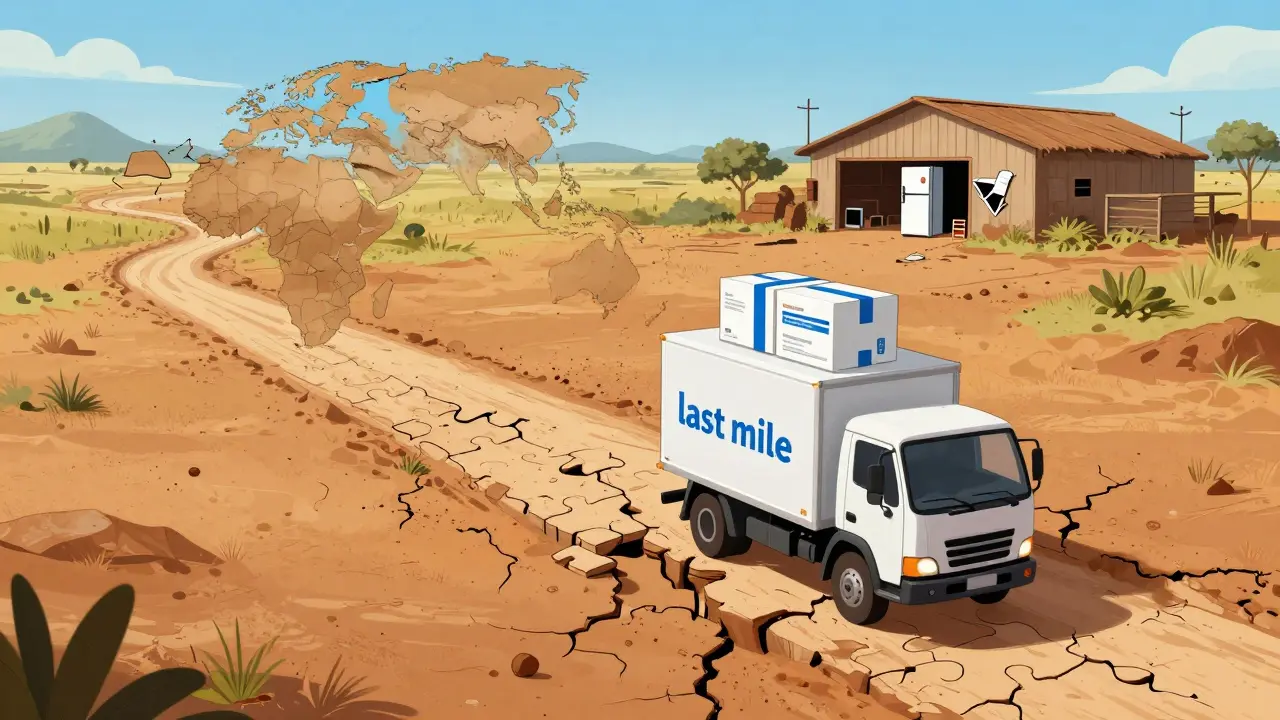
Even if a drug is free or cheap, it doesn't help if it never reaches the clinic. Poor infrastructure and broken supply chains are the silent killers of global health. In many African countries, the 2001 Abuja Declaration is a commitment by African Union countries to allocate 15% of their annual budgets to health. However, as of 2022, only 23 out of 54 countries actually hit that target. Without this funding, the roads are bad, the warehouses lack refrigeration, and the clinics run out of stock.
There are rays of hope, though. We've seen generics successfully scale up treatments for HIV/AIDS, tuberculosis, and malaria. New efforts, like the PAMAfrica consortium, are bringing clinical trials for antimalarials directly into low-income countries. This is crucial because if trials only happen in wealthy nations, the drugs might not be optimized for genetically diverse populations in the Global South.
A Blueprint for Better Access
How do we actually fix this? It isn't just about making the drug; it's about removing the hurdles in the way. Governments can take several low-cost steps immediately:
- Slash Taxes and Tariffs: Removing import duties on essential generics immediately lowers the price for the end user.
- Simplify Approvals: Speeding up the patent examination and drug approval process means generics hit the market sooner.
- Invest in Big Data: About 76% of healthcare organizations in emerging markets are now investing in big data to track supply chains and predict shortages.
- Modernize Reimbursement: Updating how governments pay for medicines ensures that the cheapest, high-quality generic is always the first choice.
Ultimately, the goal is to move away from the model where health is a luxury. When we prioritize the production of Biosimilars (generic versions of complex biological drugs) and standard generics, we treat health as a human right rather than a profit center.
Are generic drugs as safe as branded ones in low-income countries?
Yes, provided they are quality-assured. Generics contain the same active ingredients as the branded version. The challenge in LMICs is often the prevalence of counterfeit or sub-standard medicines rather than the generic nature of the drug itself. This is why robust regulatory oversight and WHO-standard quality checks are essential.
Why are unbranded generics so rare in LMICs compared to the US?
It comes down to trust and market structure. In the US, insurance systems and pharmacies push high-volume unbranded generics. In many LMICs, patients and doctors may perceive branded drugs as higher quality, and a lack of strong government procurement systems allows expensive brands to dominate the limited pharmacy shelves.
What is the TRIPS Agreement and how does it affect drug prices?
The TRIPS Agreement (Trade-Related Aspects of Intellectual Property Rights) sets global standards for protecting patents. While it protects innovation, it can prevent poor countries from making cheap generics. However, it does allow for "flexibilities," such as compulsory licensing, which lets a government produce a patented drug without the owner's consent during a public health crisis.
How much can generics actually reduce the cost of medicine?
According to WHO data, generics can reduce the cost of essential medicines by 80% or more. This massive price drop is what allowed the global scale-up of antiretroviral therapy for HIV, moving it from a luxury for the rich to a standard of care for millions in Africa and Asia.
What is the Abuja Declaration?
The Abuja Declaration is a 2001 pledge by African Union countries to allocate at least 15% of their annual government spending to health. Meeting this target is critical for building the clinics and supply chains necessary to distribute generic medicines effectively.