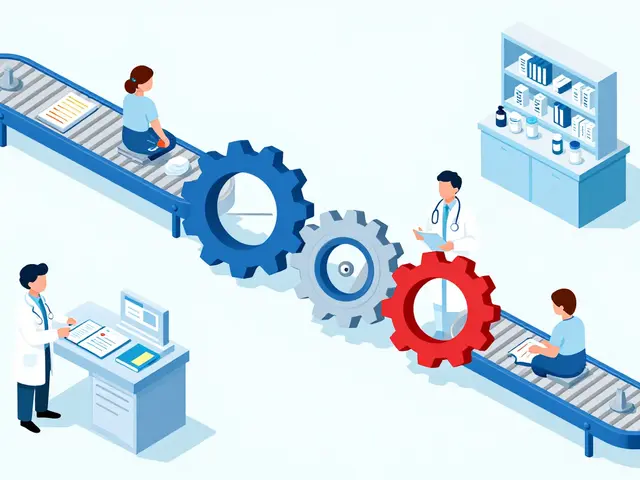
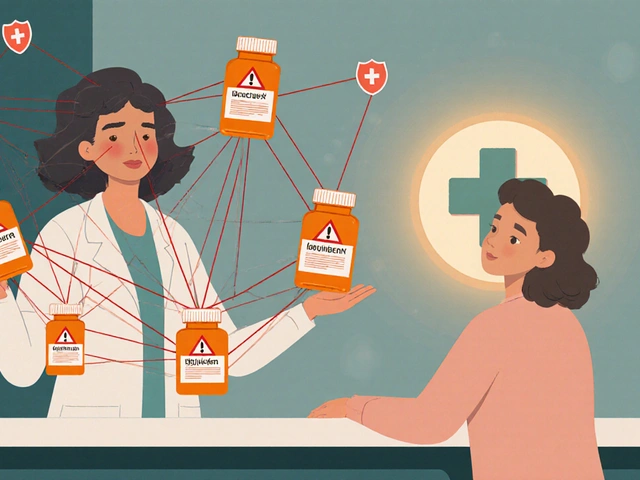
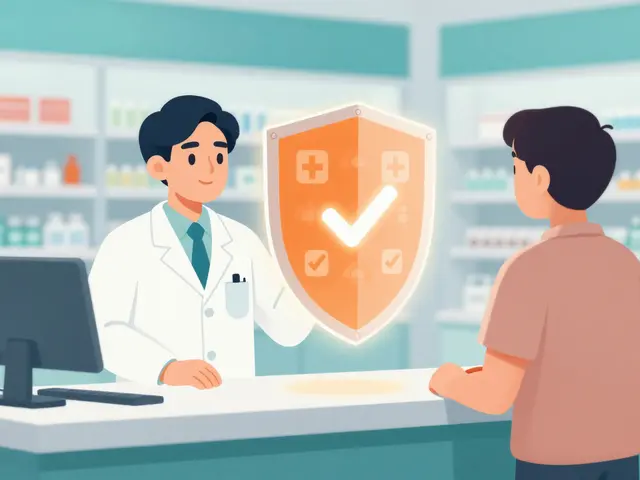
Think about the last time you picked up a prescription. You probably didn't give a second thought to the process-the doctor wrote the script, the pharmacist filled it, and you took the pill. But behind that simple routine is a complex chain of events where a single typo, a misunderstood dosage, or a faulty machine can lead to a catastrophe. In fact, unsafe medication practices are one of the leading causes of avoidable harm in hospitals and clinics worldwide. When we talk about medication safety, we aren't just talking about a few mistakes; we are talking about a systemic public health crisis that costs billions of dollars and thousands of lives every year.
The High Cost of Preventable Mistakes
Why is this a priority? Because the numbers are staggering. The World Health Organization (WHO) reported that the global cost of medication errors has hit roughly $42 billion USD annually. In the U.S., the problem is even more localized and acute. Medication non-adherence-simply not taking the medicine as prescribed-costs the healthcare system $300 billion and leads to about 125,000 preventable deaths every year. When these errors happen, they often result in Adverse Drug Events (ADEs). These are injuries resulting from taking a medication, and they trigger over 1.5 million emergency department visits annually in the States. This isn't just about "human error." It's a perfect storm of factors: an aging population (with 21% of Americans expected to be 65+ by 2030), the rapid launch of thousands of new molecular entities by the FDA, and a massive increase in the overall volume of drugs being used to treat chronic diseases.
Systemic Failures vs. Individual Blame
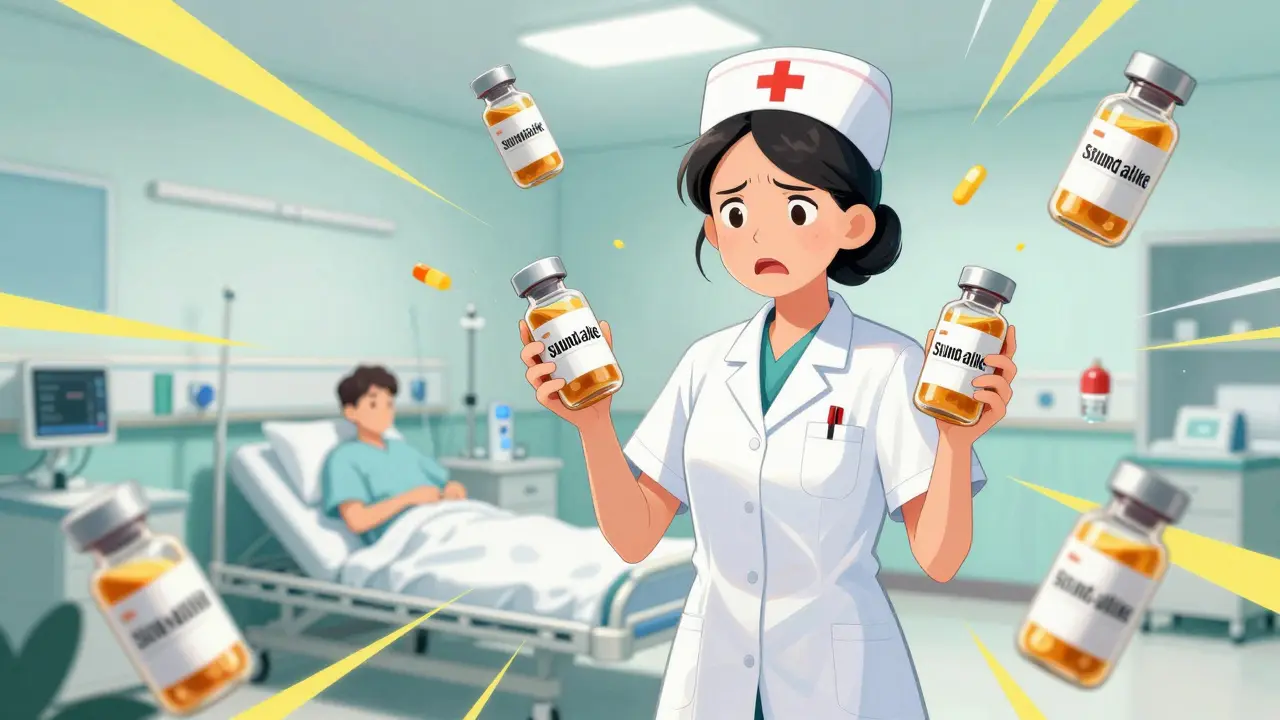
For a long time, when a patient got the wrong dose, the blame fell on the nurse or the doctor. But the reality is far more complex. Experts like Dr. Roseanne Sayther have pointed out that nearly 89% of medication errors stem from system failures rather than individual negligence. Imagine a nurse working a 12-hour shift in a chaotic ward. They encounter "look-alike/sound-alike" drug names-medications that look identical in packaging or sound similar when spoken. On forums like Reddit's r/HealthIT, healthcare pros have reported that a huge chunk of near-misses happen because of these design flaws. If the system allows two different drugs to look the same, the system is the problem, not the person who grabbed the wrong vial.
| Intervention Type | Estimated Error Reduction | Key Driver |
|---|---|---|
| Electronic Health Records (EHR) | 55% reduction in prescribing errors | Clinical Decision Support Systems |
| Barcode-Assisted Administration (BCMA) | 86% reduction in administration errors | Point-of-care verification |
| Standardized Order Sets | 62% reduction in general errors | Elimination of manual variability |
| AI-Powered Reconciliation | 52% reduction in post-discharge errors | Automated discrepancy detection |
The Danger Zones: Transitions of Care and Counterfeits
One of the most dangerous moments for a patient is the "hand-off." When you move from a hospital bed to a rehab center or go home, your medication list is transferred. This is where things fall apart. Research shows that 67% of patients experience at least one unintentional medication discrepancy during these transitions. If the discharge instructions are confusing or the new doctor doesn't have the updated list, the risk of an ADE skyrockets. Then there is the growing shadow of Substandard and Falsified (SF) drugs. We aren't just talking about low-quality generics; we're talking about lethal counterfeits. The DEA seized over 80 million fentanyl-laced counterfeit tablets in a single year. Fentanyl has become the leading cause of death for Americans aged 18-45, proving that medication safety isn't just a hospital issue-it's a street-level public health emergency.
Technological Shields: AI and Automation
To fight these risks, healthcare is turning to high-tech solutions. Artificial Intelligence is now being used to predict which patients are at the highest risk for medication errors with about 73% accuracy. Meanwhile, the use of Electronic Health Records (EHRs) with built-in alerts can stop a doctor from prescribing a drug that interacts poorly with a patient's existing meds.
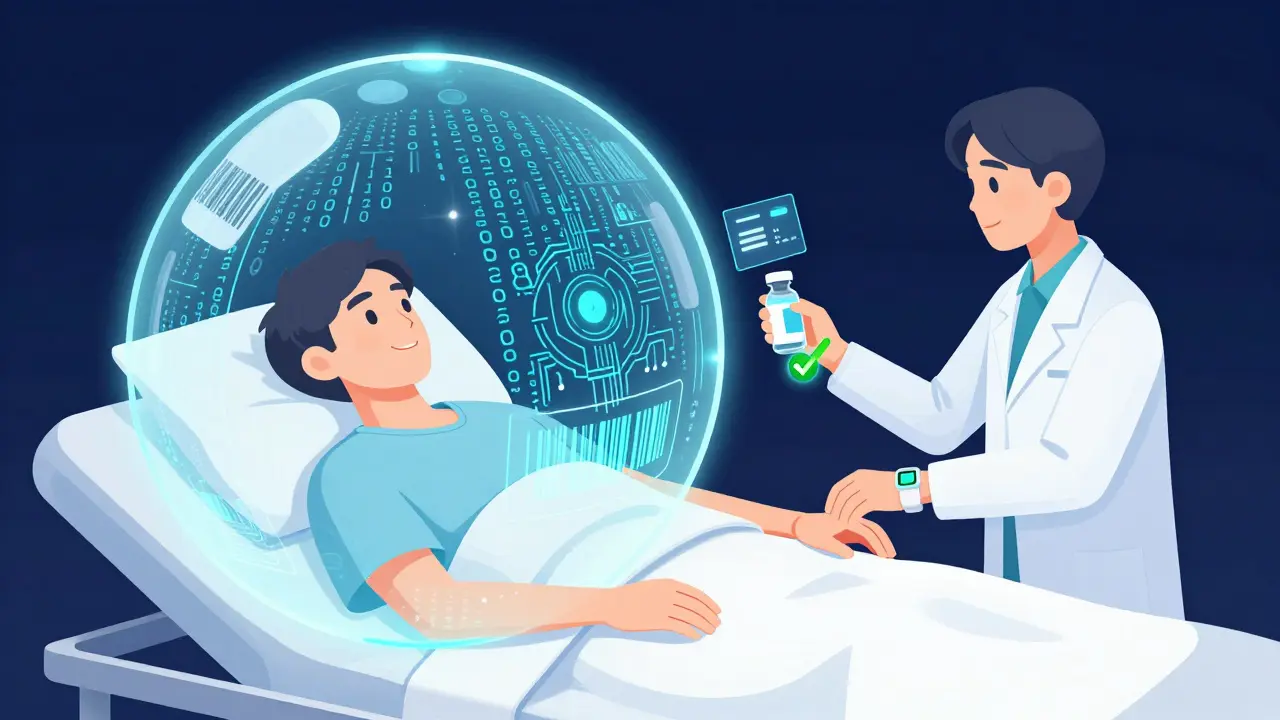
Even hardware is evolving. Infusion pumps-machines that deliver fluids and meds directly into the vein-have had serious security vulnerabilities. The FDA's 2023 cybersecurity guidance specifically targeted these devices after thousands of events were reported in the MAUDE database, including deaths caused by incorrect programming or software glitches. The goal is to move toward a "closed-loop" system where the drug, the patient, and the dose are verified electronically every single time.
The ROI of Safety: Why it Makes Financial Sense
Some hospital administrators might see safety programs as a cost center, but the data says otherwise. Dr. Donald Berwick found that every $1 invested in medication safety interventions generates $7.50 in healthcare savings. The return is even higher for pharmacist-led interventions, which can bring in $13.20 for every dollar spent. Pharmacists are the unsung heroes here. Through Medication Regimen Management (MRM), pharmacists don't just dispense pills; they manage the patient's entire therapeutic plan. This increases adherence by 40% and saves an average of $1,200 per patient annually. When patients take their meds correctly, they don't end up back in the emergency room, which is a win for both the patient and the payer.
Global Perspectives: Where the U.S. Stands
The U.S. is a leader in technology, but it lags in coordination. For example, the Netherlands has seen a 44% reduction in errors because they mandated standardized electronic prescribing across the entire country. In the U.S., the system is fragmented. We have the FDA's Sentinel Initiative monitoring 300 million records, but because our healthcare is split between different private providers, the data doesn't always flow smoothly. Furthermore, the U.S. struggles with underreporting. Only about 14% of medication errors are formally reported. Compare that to the UK's National Health Service (NHS), which uses a centralized National Reporting and Learning System to treat every error as a learning opportunity rather than a reason for punishment. Until the U.S. moves toward a "just culture" where reporting is encouraged, many errors will remain invisible.
How to Build a Safer System
If a health system wants to move the needle, they can't just buy a piece of software and call it a day. A real medication safety program takes 12 to 18 months to implement properly. It starts with a thorough assessment, followed by staff training (WHO recommends at least 12 hours annually), and finally, a phase of optimization. Successful programs rely on a multidisciplinary team. You need pharmacists, nurses, physicians, and IT specialists working in tandem. Simple changes, like using visual medication schedules, have been shown to reduce errors by 38%. Standardizing order sets-basically creating a "menu" of correct dosages for specific conditions-can slash errors by 62%.
What is the most common cause of medication errors?
While individual mistakes happen, the majority of errors (around 89%) are caused by systemic failures. This includes things like look-alike/sound-alike drug packaging, poor EHR user interface design, and communication breakdowns during patient hand-offs between different care providers.
How does medication non-adherence affect public health?
Non-adherence is a massive driver of avoidable healthcare costs (roughly $300 billion in the U.S.) and contributes to about 125,000 preventable deaths annually. When patients don't take medications as prescribed, chronic conditions worsen, leading to more emergency room visits and higher mortality rates.
Can technology completely eliminate medication errors?
Technology significantly reduces risk-for instance, BCMA can cut administration errors by 86%-but it cannot eliminate them entirely. Over-reliance on tech can lead to "alert fatigue," where clinicians ignore warnings because they see too many of them, or software glitches in devices like infusion pumps can create new risks.
What are the risks of falsified medications?
Falsified or counterfeit drugs can contain the wrong active ingredient, no active ingredient, or dangerous additives. A primary example is fentanyl-laced counterfeit tablets, which have become a leading cause of death for young adults in the U.S. due to their extreme potency and deceptive appearance.
What is the "Medication Without Harm" challenge?
Launched by the WHO in 2017, this global initiative aims to reduce severe avoidable medication-related harm by 50% worldwide. While high-income countries have seen a 28% reduction, low- and middle-income countries have lagged at 12% due to limited resources and infrastructure.
What to Do Next
If you are a patient, the best way to protect yourself is to be your own advocate. Always ask your doctor to review your full medication list during every visit and double-check the drug name and dosage on the bottle before leaving the pharmacy. If something looks different than usual, ask why.
For healthcare providers, the focus should shift from "who made the mistake" to "why did the system allow this to happen?" Implementing standardized order sets and prioritizing medication reconciliation during discharge are the fastest ways to save lives. As we move toward 2027, the integration of AI will likely provide an even stronger safety net, but it will only work if the humans using it are trained and the systems are interoperable.