
Track Drug Switch: How to Monitor Medication Changes Safely
When you track drug switch, the process of monitoring when one medication is replaced by another in your treatment plan. Also known as medication transition, it’s not just about swapping pills—it’s about protecting your health when your body adjusts to new chemistry. Many people don’t realize how risky a simple switch can be. A doctor changes your blood pressure drug from Lisinopril to Zestoretic, and suddenly you’re dizzy, tired, or your kidneys are under stress. Or you switch from Simvastatin to another statin and don’t know you’re now at higher risk for muscle damage. These aren’t rare mistakes—they happen every day because no one is tracking the change properly.
Tracking a drug switch isn’t just for people on five or six medications. It matters if you’re on one new pill after surgery, or if your insurance forced a switch to a cheaper generic. The real danger isn’t the drug itself—it’s the gap in communication. Your pharmacist doesn’t know your full history unless you use one pharmacy. Your doctor doesn’t know how you reacted to the old drug unless you write it down. That’s why a medication log, a simple daily record of what you take, when, and how you feel. Also known as pill diary, it’s the most effective tool to catch problems early. One patient tracked her switch from metformin to pioglitazone and noticed swelling and weight gain within days—she caught it before her doctor did. Another noticed his dizziness started right after switching from Hytrin to tamsulosin. Without a log, those signs get ignored as "just aging" or "stress."
When you switch drugs, you’re also changing how your body handles other things. Magnesium supplements can block osteoporosis meds if timing’s off. Caffeine can make dizziness worse if you’re on a new antidepressant. Even something as simple as storing liquid antibiotics wrong can make a switch fail. These aren’t random side effects—they’re predictable outcomes of untracked transitions. That’s why the best way to track drug switch is to treat it like a system: write down the old drug and why it changed, note the new dose and start date, record any new symptoms, and keep that log with you at every appointment. You’ll catch interactions before they become emergencies.
The posts below show real examples of how people managed these transitions—whether switching from Calcort to prednisone, comparing Combivent alternatives, or avoiding penicillin misdiagnoses after an allergy label was wrongly applied. You’ll find practical guides on what to ask your pharmacist, how to spot early signs of trouble, and why using one pharmacy isn’t just convenient—it’s life-saving. This isn’t theory. It’s what works when your health is on the line.
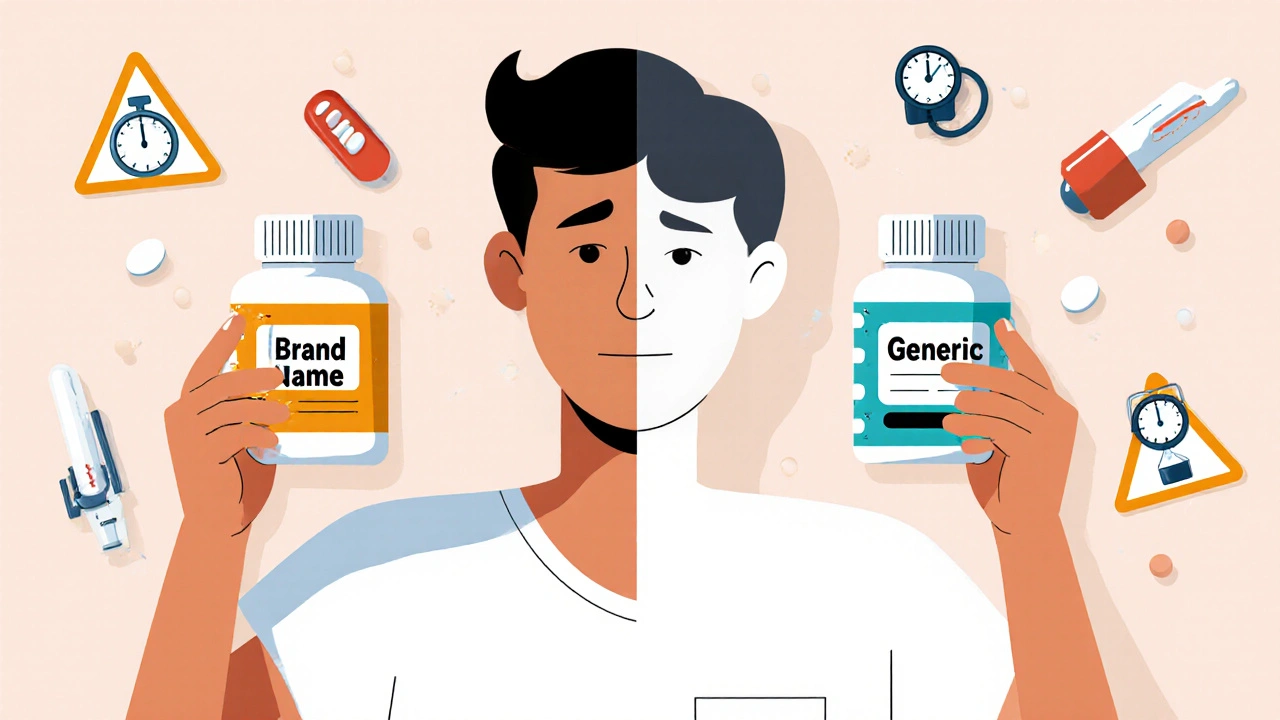
How to Track Medication Effectiveness After a Generic Switch
After switching to a generic medication, track lab results, symptoms, and refill patterns to catch problems early. Not all generics work the same - especially for critical drugs like warfarin or thyroid meds.
November 10 2025