
Timing Rules for Medications: When to Take Pills for Maximum Effect
When it comes to timing rules, the specific hours or conditions under which you take a medication to ensure it works properly and safely. Also known as dosing schedule, it's not just about remembering to take your pills—it's about taking them at the right time of day, with or without food, and in relation to other drugs. Many people think if they take a pill once a day, it doesn’t matter if it’s 8 a.m. or 8 p.m. But that’s not true. For some drugs, getting the timing wrong can mean less relief, more side effects, or even dangerous interactions.
Take antibiotics, medications used to treat bacterial infections that require strict dosing intervals. If you’re on amoxicillin, spacing doses 12 hours apart keeps a steady level in your blood. Skipping or delaying doses lets bacteria survive and grow resistant. Same with blood pressure meds, drugs designed to control hypertension and reduce heart strain. Some work best taken in the morning to match natural blood pressure spikes, while others are more effective at night. Even something as simple as metformin, a common diabetes drug that improves insulin sensitivity—taking it with meals cuts stomach upset and helps control sugar spikes after eating.
Timing also matters with corticosteroids, anti-inflammatory drugs like prednisone or Rhinocort that mimic natural body hormones. Taking them in the morning mimics your body’s own cortisol rhythm, reducing the risk of sleep problems and adrenal suppression. And if you’re using liquid antibiotics, reconstituted suspensions that lose potency if stored improperly, refrigeration and shelf life rules are just as critical as when you take them. Forget those rules, and you might be swallowing ineffective medicine.
It’s not just about single drugs either. If you’re on multiple prescriptions, drug interactions, harmful or reduced effects when two or more medications are taken together can happen based on timing alone. Taking a blood thinner with an anti-inflammatory at the same time? That’s risky. Spacing them out by hours can make all the difference. That’s why using one pharmacy and keeping a medication log, a personal record of what you take, when, and how you feel helps you catch problems before they escalate.
You’ll find real examples below—how to time your thyroid meds so they don’t clash with coffee, why you shouldn’t crush your extended-release pills, how to avoid nausea from antibiotics, and what to do when your doctor switches you to a generic. These aren’t guesses. They’re based on how your body absorbs, processes, and responds to drugs at different times. Get the timing right, and you’re not just following rules—you’re taking control of your health.
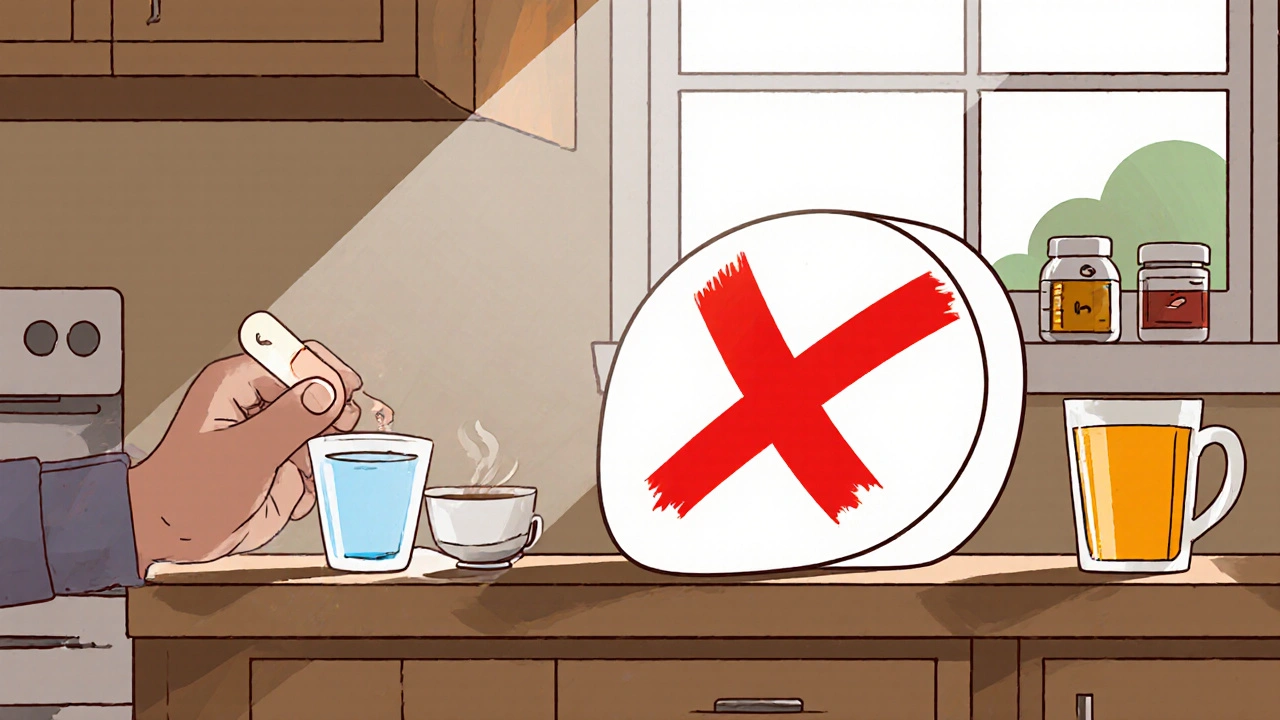
Magnesium Supplements and Osteoporosis Medications: Timing Rules
Magnesium supplements can block osteoporosis medications like Fosamax and Actonel, reducing their effectiveness by up to 60%. Follow a strict 2-hour timing rule to protect your bones and prevent fractures.
November 17 2025