
Supplement Safety: What You Need to Know Before Taking Any Pill
When you grab a bottle of supplement safety, the practice of using dietary supplements without causing harm through misuse, contamination, or dangerous interactions. Also known as nutritional supplement safety, it's not about avoiding supplements—it's about using them smartly. Millions take vitamins, herbs, and minerals thinking they’re harmless because they’re "natural." But natural doesn’t mean safe. A magnesium pill can block your osteoporosis drug. A probiotic might not help your gut if you pick the wrong strain. And some supplements contain hidden drugs that aren’t listed on the label—drugs that can land you in the ER.
dietary supplements, products taken by mouth that contain a dietary ingredient intended to supplement the diet, including vitamins, minerals, herbs, amino acids, and enzymes. are sold like candy, but they’re not regulated like medicine. The FDA doesn’t approve them before they hit shelves. That means a supplement labeled "turmeric extract" might have 10% turmeric and 90% fillers, or worse—it might have a hidden blood thinner or steroid. The same goes for drug interactions, when one substance changes how another works in your body, leading to reduced effect or dangerous side effects.. St. John’s wort can make your birth control fail. Calcium can stop your thyroid medicine from working. Even something as simple as grapefruit juice can turn a common statin into a toxic dose. These aren’t rare cases—they’re everyday risks.
And then there’s supplement side effects, unintended physical reactions caused by supplements, ranging from mild nausea to liver damage or heart rhythm problems.. Most people don’t realize that high doses of vitamin D can raise calcium to dangerous levels. Too much iron can wreck your liver. And some weight-loss supplements have been linked to strokes and heart attacks. The worst part? You won’t always know it’s the supplement. Symptoms get blamed on stress, aging, or bad luck. But when you track what you take—like in a medication log—patterns show up fast.
Supplement safety isn’t about fear. It’s about awareness. It’s knowing that what’s on the shelf isn’t always what’s inside. It’s understanding that your pharmacist isn’t just a pill dispenser—they’re your first line of defense. It’s realizing that if a product promises "miracle results," it’s probably hiding something. The posts below show you exactly how to spot risky products, avoid deadly mix-ups, and find supplements that actually do what they claim—without putting your health on the line.
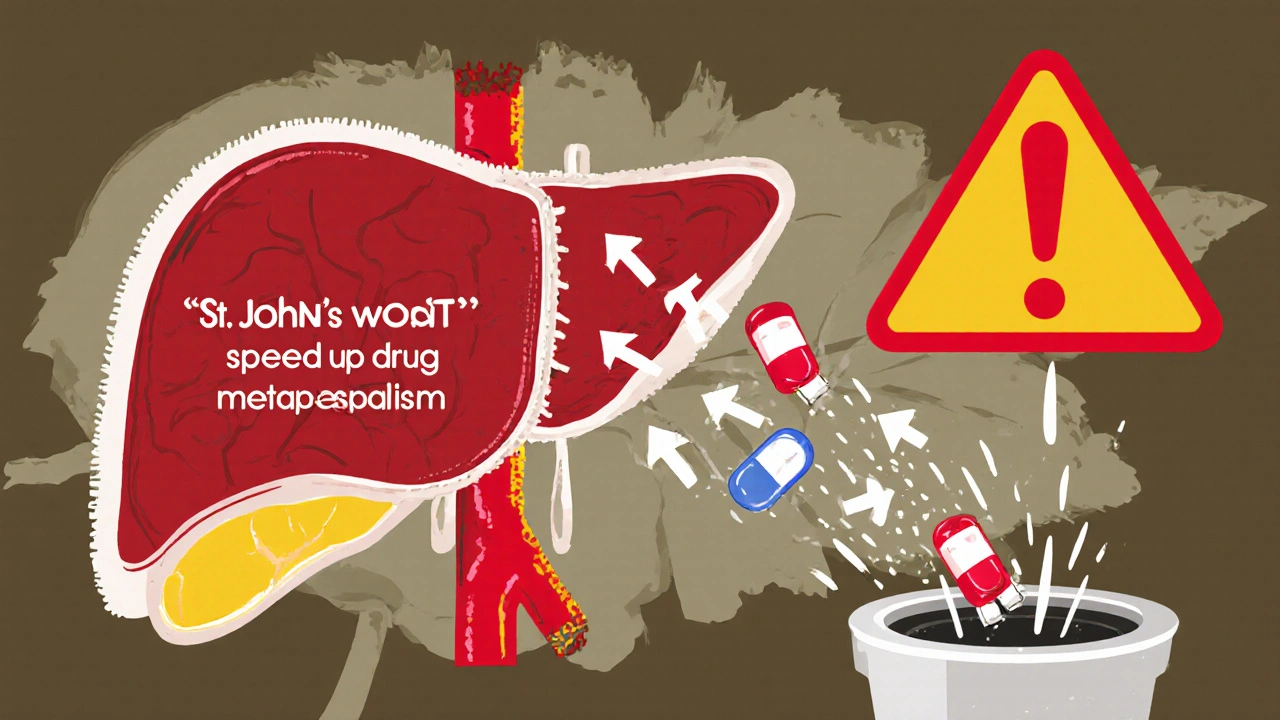
Herbal Supplements and Drug Interactions: What You Need to Know for Safety
Herbal supplements can dangerously interact with prescription drugs, reducing effectiveness or causing toxicity. St. John’s wort, ginkgo, garlic, and danshen pose serious risks. Learn which herbs to avoid and how to talk to your doctor.
November 27 2025