
Respiratory Depression: Causes, Risks, and What You Need to Know
When your breathing slows down too much, it’s called respiratory depression, a life-threatening condition where the body doesn’t take in enough oxygen or expel enough carbon dioxide. It’s not just feeling tired—it’s when your brain stops telling your lungs to work, and without help, it can lead to coma or death. This isn’t rare. It’s behind most opioid overdose deaths and happens often when people mix painkillers with sleep aids, alcohol, or anxiety meds.
Opioids, like oxycodone, hydrocodone, and fentanyl, are the top cause. They bind to brain receptors that control breathing, and too much shuts it down. Sedatives, including benzodiazepines like Xanax or sleeping pills like Ambien, do the same thing. When you combine them—even if each dose is "safe" alone—the effect multiplies. That’s why doctors warn against mixing these drugs. It’s not a myth. It’s a proven risk backed by ER data and overdose studies. Even people taking meds as prescribed can slip into respiratory depression if they’re older, have lung disease, or take higher doses over time.
It doesn’t always come with loud gasping or obvious panic. Often, it’s quiet. Slowed breathing—less than 10 breaths per minute. Bluish lips or fingertips. Confusion. Unresponsiveness. If someone’s on opioids or sedatives and seems unusually drowsy, don’t wait for them to wake up. Check their breathing. If it’s shallow or irregular, call 911. Naloxone can reverse opioid-related cases, but only if given fast. And it doesn’t work for sedatives alone.
What you’ll find below are real, practical posts that connect directly to this risk. You’ll see how drug interactions turn harmless prescriptions into dangers, how to track your meds to avoid accidental overdose, and why using one pharmacy matters more than you think. There’s info on how to spot the early signs, what to do if someone stops breathing, and how certain meds—like those for sleep, pain, or anxiety—can quietly lower your breathing rate over time. This isn’t theoretical. These are the exact situations doctors see every day. You’re not just reading about risks—you’re learning how to protect yourself or someone you care about.
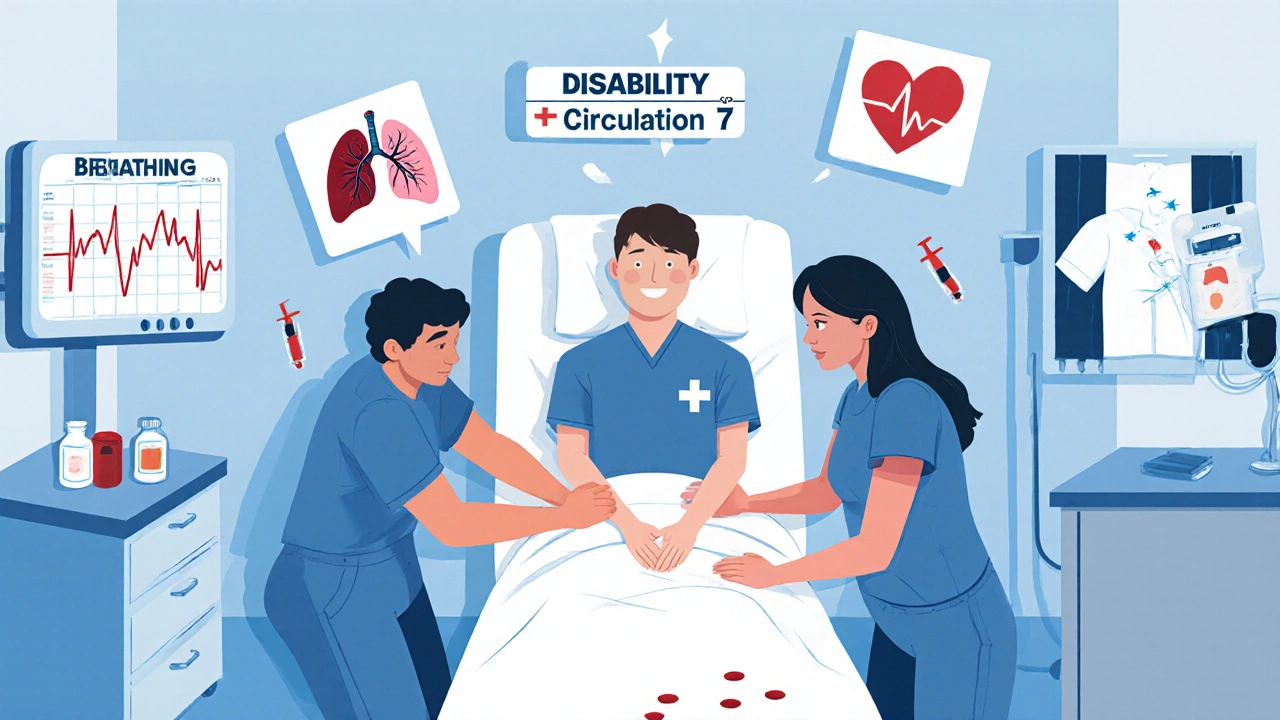
Benzodiazepine Overdose: Emergency Treatment and Monitoring
Benzodiazepine overdose causes dangerous respiratory depression, especially when mixed with opioids or alcohol. Emergency treatment focuses on airway support, oxygen, and monitoring-not flumazenil. Most patients recover with time and careful observation.
November 28 2025