
Medication Monitoring: Track Safety, Interactions, and Side Effects
When you’re taking more than one medication, medication monitoring, the practice of tracking what you take, when, and how it affects you. Also known as drug tracking, it’s not just for doctors—it’s your best defense against accidental overdose, harmful interactions, and hidden side effects. Think of it like checking your car’s oil: you don’t wait until the engine fails. You check regularly. The same goes for your meds. A 2023 study from the CDC found that nearly 40% of adults taking five or more prescriptions had at least one dangerous interaction they didn’t know about. Most of those could’ve been caught with a simple log or a pharmacist who knew their full list.
Medication monitoring isn’t just about writing down pills. It’s about connecting the dots between what you take and how you feel. For example, if you’re on metformin, a common diabetes and PCOS drug that affects insulin sensitivity and also take magnesium supplements, a mineral that can block osteoporosis drugs like Fosamax, timing matters. Take them two hours apart—or risk losing up to 60% of the bone protection. Or if you’re using topical corticosteroids, skin creams that can thin skin and cause infections with long-term use, you need to watch for redness, shine, or easy bruising. These aren’t random side effects—they’re signals. And without monitoring, you might miss them until it’s too late.
Many people think medication safety is about following the label. But real safety comes from tracking patterns. A medication log, a daily record of what you take, the time, and any symptoms can reveal that your dizziness starts after 2 p.m.—maybe because you took your blood pressure pill with coffee. Or that your stomach churns every time you mix ibuprofen with your antibiotic. These aren’t guesses. They’re data. And when you bring that data to your pharmacist or doctor, you turn guesswork into action. Using one pharmacy for all your prescriptions? That’s medication monitoring too. It’s how your pharmacist catches duplicates, spots risky combos, and remembers you’re allergic to penicillin—even if your doctor forgot to update the file.
It’s not about being paranoid. It’s about being smart. Whether you’re managing diabetes, arthritis, depression, or just a handful of daily pills, medication monitoring turns confusion into control. Below, you’ll find real guides on how to use a pill diary, avoid dangerous interactions, store liquid antibiotics safely, and even track digital therapeutics that talk to your prescriptions. No fluff. No theory. Just what works—today, for real people taking real meds.
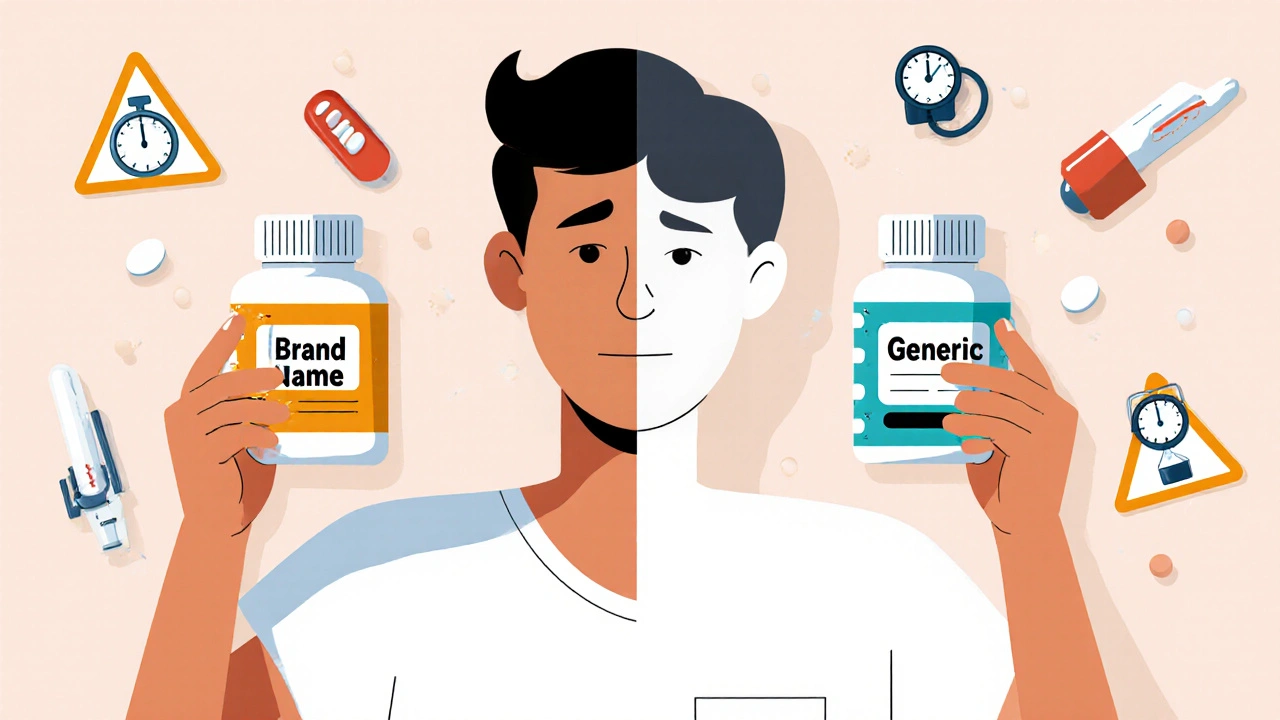
How to Track Medication Effectiveness After a Generic Switch
After switching to a generic medication, track lab results, symptoms, and refill patterns to catch problems early. Not all generics work the same - especially for critical drugs like warfarin or thyroid meds.
November 10 2025