
Medication Adherence: Why Taking Pills Right Matters and How to Get It Right
When you’re told to take a medication, medication adherence, the practice of taking drugs exactly as prescribed, including timing, dosage, and duration. Also known as drug compliance, it’s not just a suggestion—it’s the difference between feeling better and ending up in the hospital. Most people think if they take their pills most of the time, they’re doing fine. But studies show that even missing just one dose a week can cut a drug’s effectiveness in half—especially for things like blood pressure meds, diabetes drugs, or antidepressants.
Why does this happen? It’s not laziness. It’s complexity. If you’re juggling five different pills at different times of day, with food restrictions, side effects, or confusing instructions, forgetting is normal. And it’s not just about memory. Some people skip doses because they can’t afford the meds. Others stop because they feel fine and think they don’t need them anymore. Some are scared of side effects and never tell their doctor. medication errors, mistakes in how drugs are taken, stored, or combined often start with poor adherence and lead to dangerous outcomes like overdoses, organ damage, or antibiotic resistance. drug interactions, harmful effects when two or more medications clash become way more likely when people aren’t tracking what they’re actually taking.
The good news? Simple tools work. A medication log, a written or digital record of what you take and when cuts errors by over 40%. Using one pharmacy for all your prescriptions means your pharmacist catches duplicates and bad mixes before they happen. Setting phone alarms, using pill organizers, or even just keeping your meds next to your toothbrush makes a huge difference. And if you’re skipping doses because of cost or side effects—tell your doctor. There’s almost always a safer, cheaper, or simpler option.
What you’ll find below isn’t just theory. It’s real advice from people who’ve been there: how to track your meds so you don’t overdose, how to store liquid antibiotics so they don’t go bad, how to tell if a generic switch is working, and how to avoid dangerous combos like magnesium with osteoporosis drugs. These aren’t abstract tips—they’re the exact steps people use to stay healthy, avoid ER visits, and actually feel the benefit of their prescriptions.
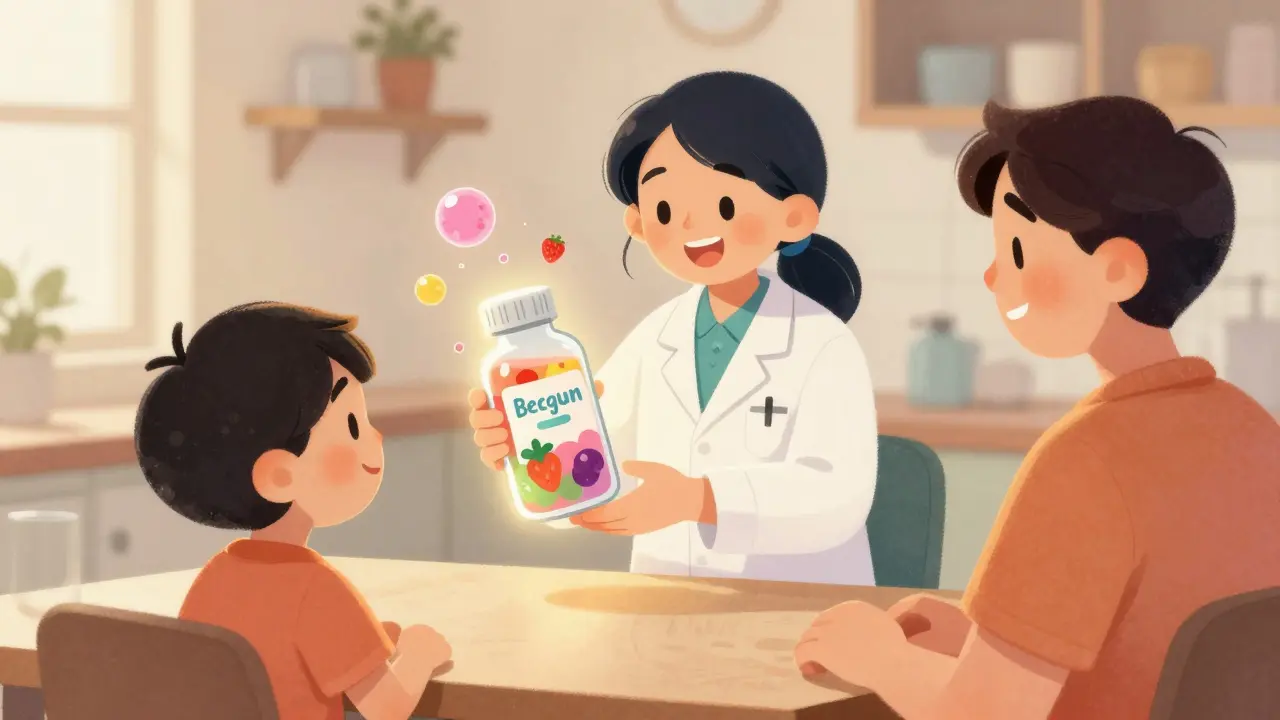
How Flavoring Services Boost Pediatric Medication Adherence
Flavoring services for pediatric medications dramatically improve adherence by masking unpleasant tastes, turning medication time from a battle into a routine. Studies show compliance jumps from 53% to over 90% when kids can choose flavors like grape or bubblegum.
February 7 2026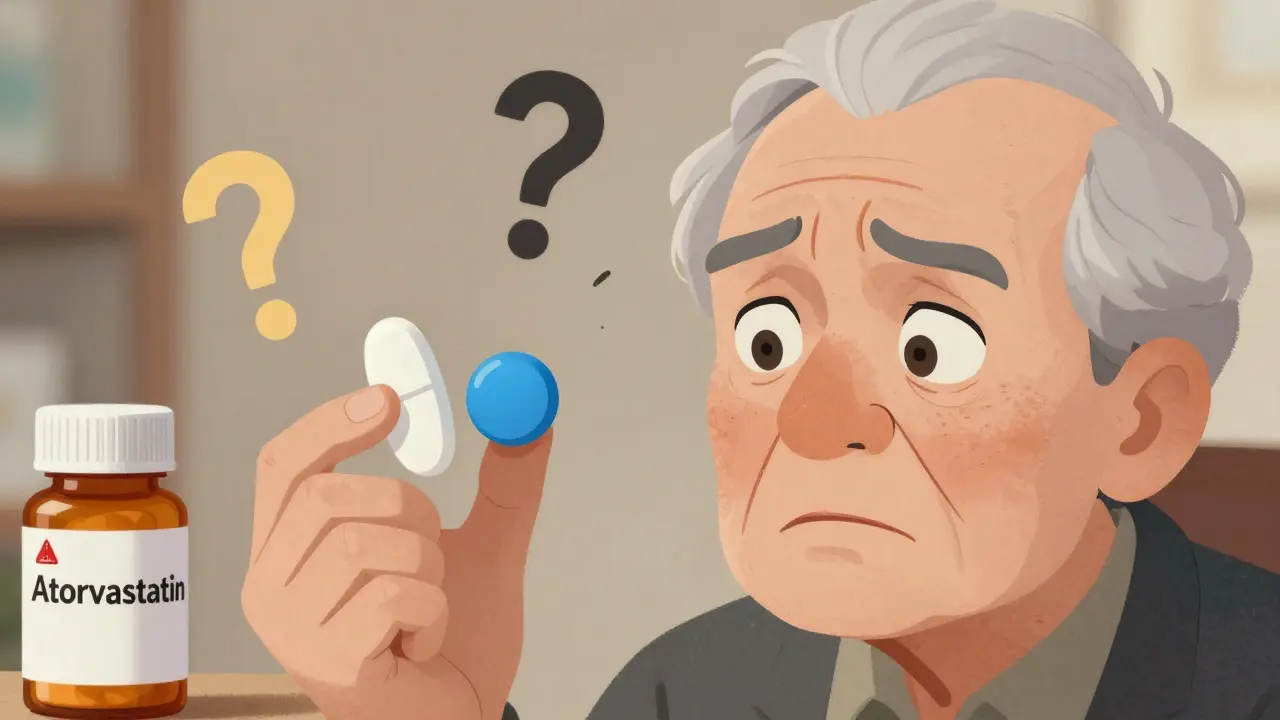
Generic Appearance Changes: Why Your Pill Color and Shape Keep Changing
Generic pills often look different from brand-name versions or even from one refill to the next. Learn why pill color and shape change, how it affects medication adherence, and what you can do to stay safe.
December 15 2025
Digital Therapeutics and Medication Interactions: What You Need to Know in 2025
Digital therapeutics are now FDA-cleared medicines that interact with your prescriptions. Learn how they improve adherence, where risks lie, and what you need to know in 2025 to use them safely.
November 17 2025