
Herb-Drug Interactions: What You Need to Know Before Mixing Supplements and Medications
When you take a herb-drug interaction, a chemical conflict between a herbal supplement and a prescription or over-the-counter medication. Also known as natural product-drug interactions, it can turn a safe treatment into a serious health risk. Many people assume that because something is "natural," it’s harmless. But that’s not true. Herbs like St. John’s wort, garlic, ginkgo, and echinacea don’t just sit quietly in your body—they change how your liver processes drugs, speed up or slow down absorption, and even cancel out the effects of your prescriptions.
Take St. John’s wort, a popular herbal remedy for mild depression. It can make birth control pills fail, reduce the effectiveness of blood thinners like warfarin, and interfere with HIV meds and antidepressants. Or consider garlic supplements, often used for heart health. They can thin your blood just like aspirin, and when taken with anticoagulants, they raise your risk of bleeding during surgery or after an injury. Even something as simple as magnesium supplements, used for muscle cramps and sleep, can block osteoporosis drugs like Fosamax if taken at the wrong time—cutting their effectiveness by up to 60%. These aren’t rare cases. They happen every day, often because patients don’t tell their doctors what they’re taking.
Doctors don’t always ask about supplements. Pharmacies don’t always flag them. And most online drug checkers focus only on prescription combos. But the truth is, your body doesn’t care if a substance came from a pharmacy or a health food store. What matters is how it reacts with the chemicals already in your system. That’s why keeping a medication log that includes every pill, powder, and tea you take is one of the simplest, most powerful safety steps you can take. It’s not just about avoiding bad reactions—it’s about making sure your treatments actually work.
The posts below cover real cases, science-backed warnings, and practical steps to protect yourself. You’ll find what happens when green tea meets blood pressure meds, why grapefruit ruins half your prescriptions, and how to talk to your pharmacist about supplements without sounding like you’re just browsing the aisle. No fluff. No guesses. Just what you need to know before the next pill or potion hits your system.
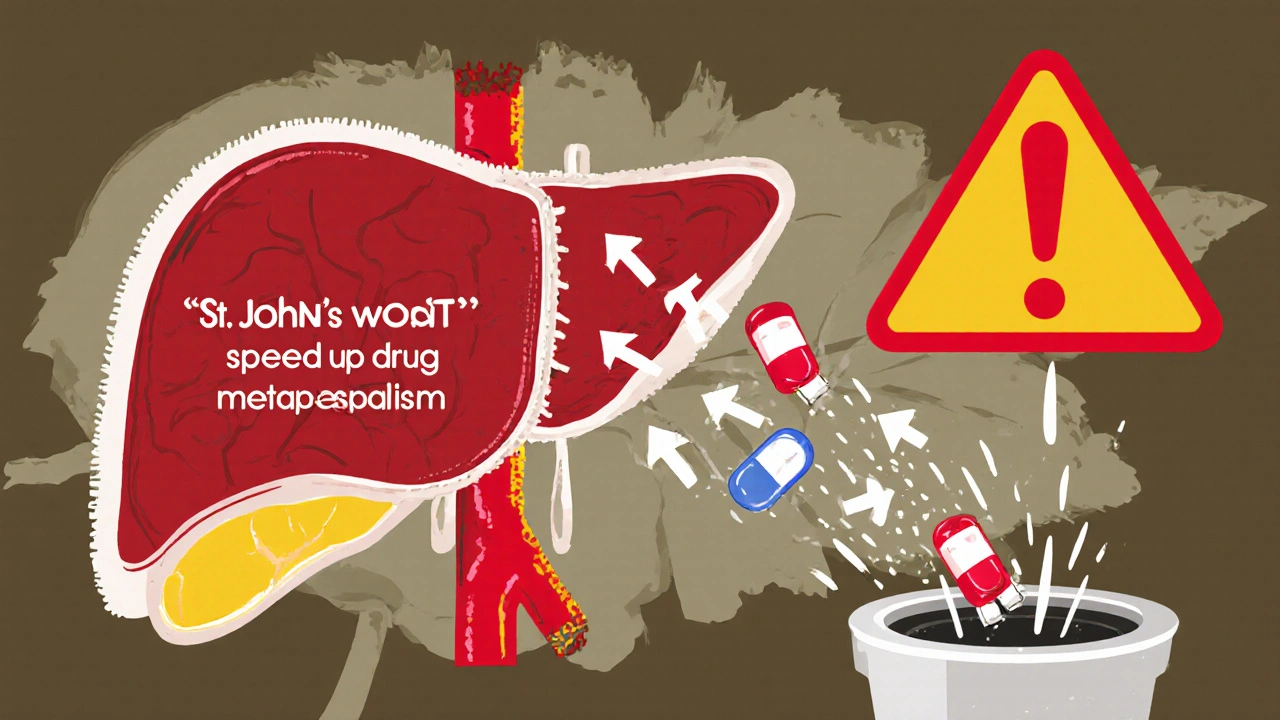
Herbal Supplements and Drug Interactions: What You Need to Know for Safety
Herbal supplements can dangerously interact with prescription drugs, reducing effectiveness or causing toxicity. St. John’s wort, ginkgo, garlic, and danshen pose serious risks. Learn which herbs to avoid and how to talk to your doctor.
November 27 2025