
Constipation Relief: Effective Solutions and What Actually Works
When you can’t have a normal bowel movement, a regular, comfortable passage of stool without straining or pain. It’s not just inconvenient—it’s a sign your body’s rhythm is off. Constipation isn’t a disease. It’s a symptom. And if it’s happening often, something in your daily routine needs to change. Maybe it’s not enough water. Or maybe you’re eating too many processed foods and not enough fiber, indigestible plant material that adds bulk to stool and helps it move through the intestines. Also known as dietary fiber, it’s the quiet hero behind healthy digestion. You don’t need fancy supplements. You need real food—beans, oats, apples, broccoli. Yet most people skip it because they think it’s too much work. But fixing constipation doesn’t require a diet overhaul. Just one smart change, done consistently, can make all the difference.
Then there’s the laxatives, medications designed to help move stool through the colon when natural methods fail. Also known as stool softeners or bowel stimulants, they’re useful short-term, but relying on them too long can make your bowels lazy. Over-the-counter options like magnesium citrate or polyethylene glycol work differently than stimulant laxatives like senna. Magnesium pulls water into the colon. Senna wakes up the muscles. One hydrates. The other activates. Mixing them up won’t help—you need to know which one matches your problem. And if you’re taking opioids, antidepressants, or iron pills, those could be the real cause. You’re not broken. Your meds might be.
Constipation isn’t just about what you eat. It’s about when you move. Sitting too long. Ignoring the urge. Not drinking enough water. Stress. Sleep. All of it connects. Your gut talks to your brain. And if you’re not listening, it shuts down. That’s why people who walk daily, drink water first thing in the morning, and take time to use the bathroom without rushing rarely struggle. It’s not magic. It’s routine.
The posts below give you the exact details you need—no fluff. You’ll find how to track what’s working, what to avoid with certain medications, how hydration affects your bowels, and how to safely use supplements without risking side effects. You’ll see how fiber interacts with drugs like bisphosphonates, how dehydration from norovirus can worsen constipation, and why using one pharmacy helps avoid dangerous combinations that slow digestion. No theory. No guesswork. Just what works, backed by real data and patient experience.
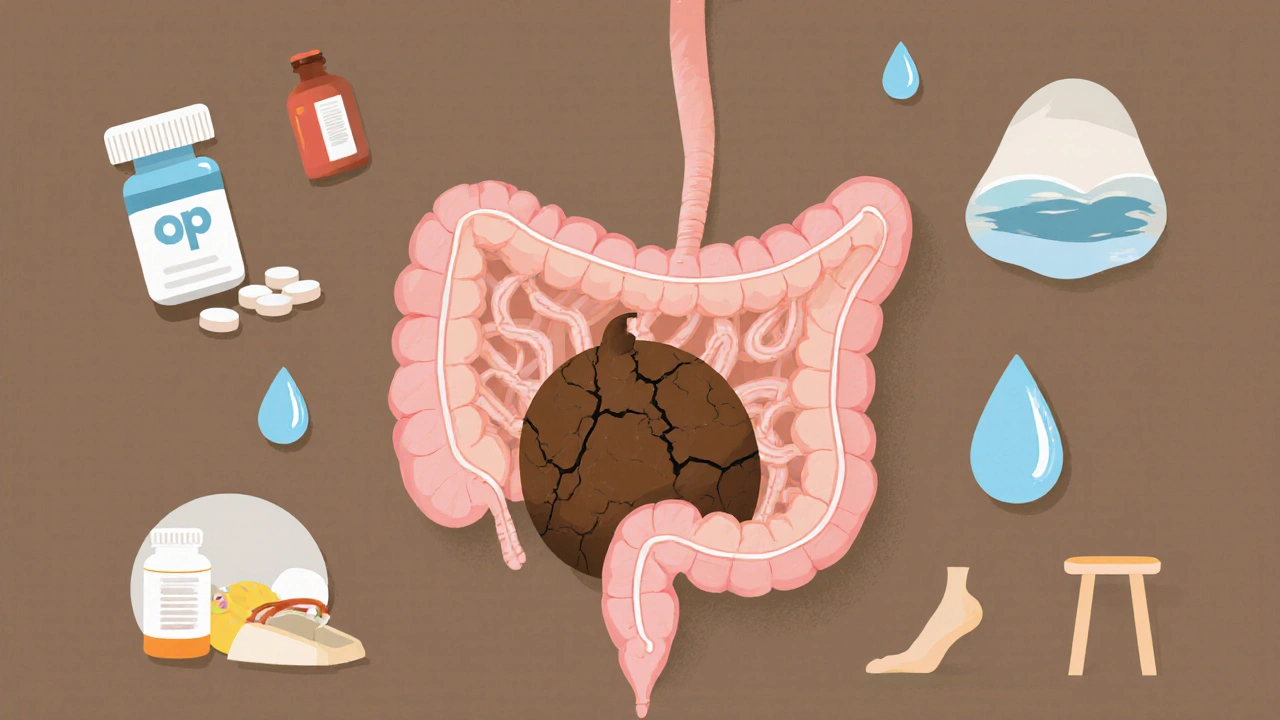
Constipation: Causes, Laxatives, and Long-Term Management
Constipation affects millions, but most treatments fail because they ignore root causes. Learn what really triggers it, which laxatives work safely long-term, and how lifestyle changes beat pills.
November 14 2025