
Constipation Causes: What Really Triggers It and How to Fix It
When your bowels slow down, it’s not just annoying—it can be a sign something deeper is off. Constipation, a condition where bowel movements become infrequent or difficult to pass. Also known as slow transit, it’s not just about not going every day—it’s about strain, bloating, and that stuck feeling that won’t go away. Many people blame fiber, but the real causes are often hidden in daily habits, medications, or even how much water you drink.
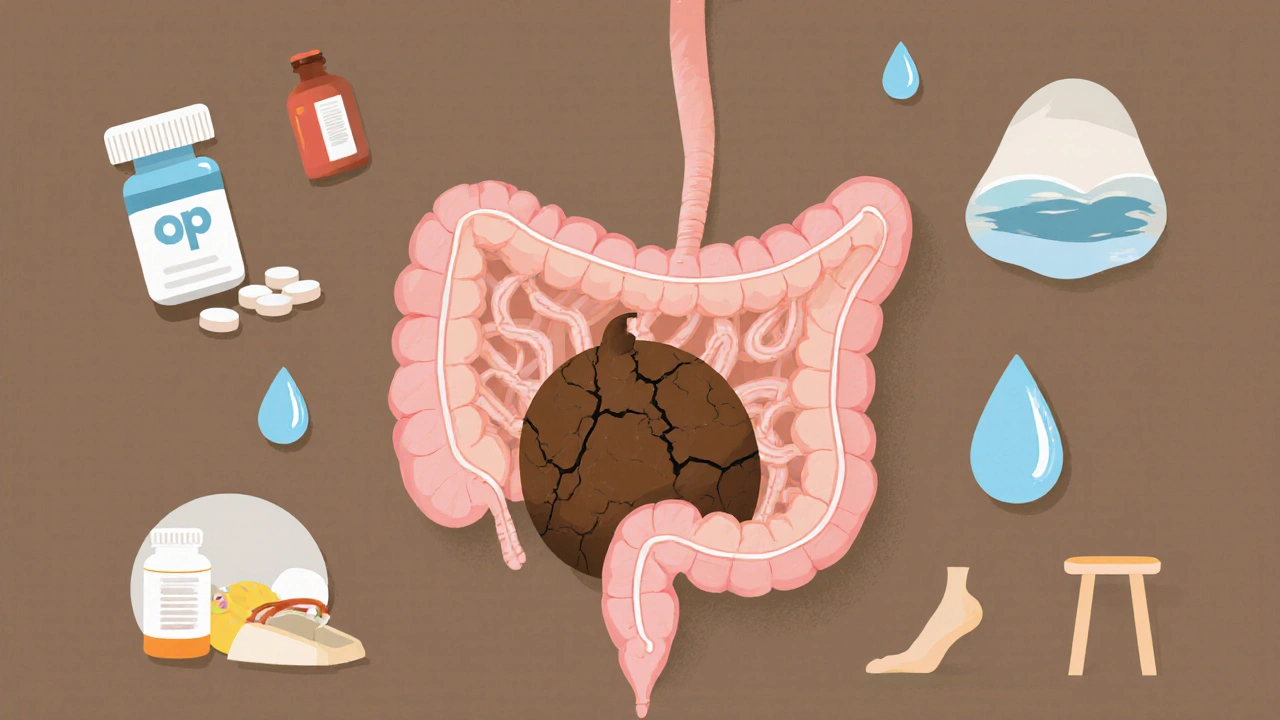
One of the biggest hidden triggers is medication side effects, how certain drugs slow down digestion. Think painkillers like opioids, antidepressants, or even iron pills. You might not connect your constipation to your daily pills, but medication logs show this happens more than you think. Then there’s dehydration, when your body pulls water out of your stool to stay hydrated elsewhere. If you’re sipping soda instead of water, or skipping fluids during a busy day, your colon starts sucking moisture out of waste—making it hard and stuck.
Don’t overlook dietary fiber, the roughage your gut needs to keep things moving. Most people think they eat enough veggies, but if your diet is full of processed foods, white bread, or cheese, you’re likely falling short. Fiber isn’t just about salads—it’s beans, oats, apples with skin, and chia seeds. Without it, your stool lacks bulk and gets sluggish.
It’s not always about food or meds, though. Sitting too long, ignoring the urge, or even stress can throw off your gut rhythm. Your colon responds to signals—when you ignore them, it forgets how to respond. And if you’ve been on antibiotics lately, that’s another common culprit. They wipe out good bacteria that help move waste along.
Some causes are simple to fix. Drink more water. Move your body—even a 10-minute walk helps. Eat one extra serving of fiber today. But if nothing changes after a week, or you’re in pain, it’s time to look deeper. You might be dealing with something like hypothyroidism, diabetes, or even a blockage. The good news? Most cases aren’t serious. But you won’t know until you check the real triggers behind yours.
Below, you’ll find real, practical guides that connect constipation to medications, diet, hydration, and how to track what’s really going on in your body. No fluff. Just what works.
Constipation: Causes, Laxatives, and Long-Term Management
Constipation affects millions, but most treatments fail because they ignore root causes. Learn what really triggers it, which laxatives work safely long-term, and how lifestyle changes beat pills.
November 14 2025