
Cancer Prevention: Real Ways to Lower Your Risk with Science-Backed Steps
When it comes to cancer prevention, practical actions that reduce the chance of developing cancer before it starts. Also known as primary prevention, it's not about miracle supplements or extreme diets—it's about consistent, simple habits that work over time. The truth? More than 40% of cancer cases in the U.S. are linked to modifiable lifestyle factors, according to the CDC. That means your daily choices—what you eat, how active you are, whether you smoke—have real power over your risk.
Diet and cancer, the connection between food choices and cancer development isn’t mysterious. Eating more vegetables, beans, whole grains, and less processed meat cuts your risk for colon, stomach, and other cancers. It’s not about going vegan overnight—it’s about swapping out a burger for a bean bowl a few times a week. Screening tests, medical checks that catch cancer early when it’s easiest to treat are just as important. Colonoscopies, mammograms, and HPV tests don’t prevent cancer, but they stop it from becoming deadly. Skipping them because you’re afraid or busy is the biggest mistake people make.
Lifestyle changes, adjustments to daily habits that reduce disease risk like quitting smoking, limiting alcohol, and staying active do more than lower cancer risk—they improve your energy, sleep, and mood. You don’t need to run a marathon. Walking 30 minutes a day, five days a week, cuts your risk for several cancers. Sun exposure? Protect your skin. Skin cancer is the most common type in the U.S., and most cases are preventable with sunscreen and shade.
And here’s something most people miss: cancer risk factors, conditions or behaviors that increase the likelihood of developing cancer aren’t always obvious. Chronic inflammation from untreated gum disease, long-term use of certain painkillers, or even sitting all day can add up. It’s not about being perfect—it’s about being aware. Small, smart changes over months and years create a protective shield.
You won’t find magic pills in the posts below. But you will find real advice from people who’ve navigated this themselves—how to track medication safety while managing other conditions, how gut health connects to immune function, and why using one pharmacy reduces dangerous mix-ups. These aren’t theoretical ideas. They’re daily habits that matter. What you do today, not next year, shapes your risk tomorrow.
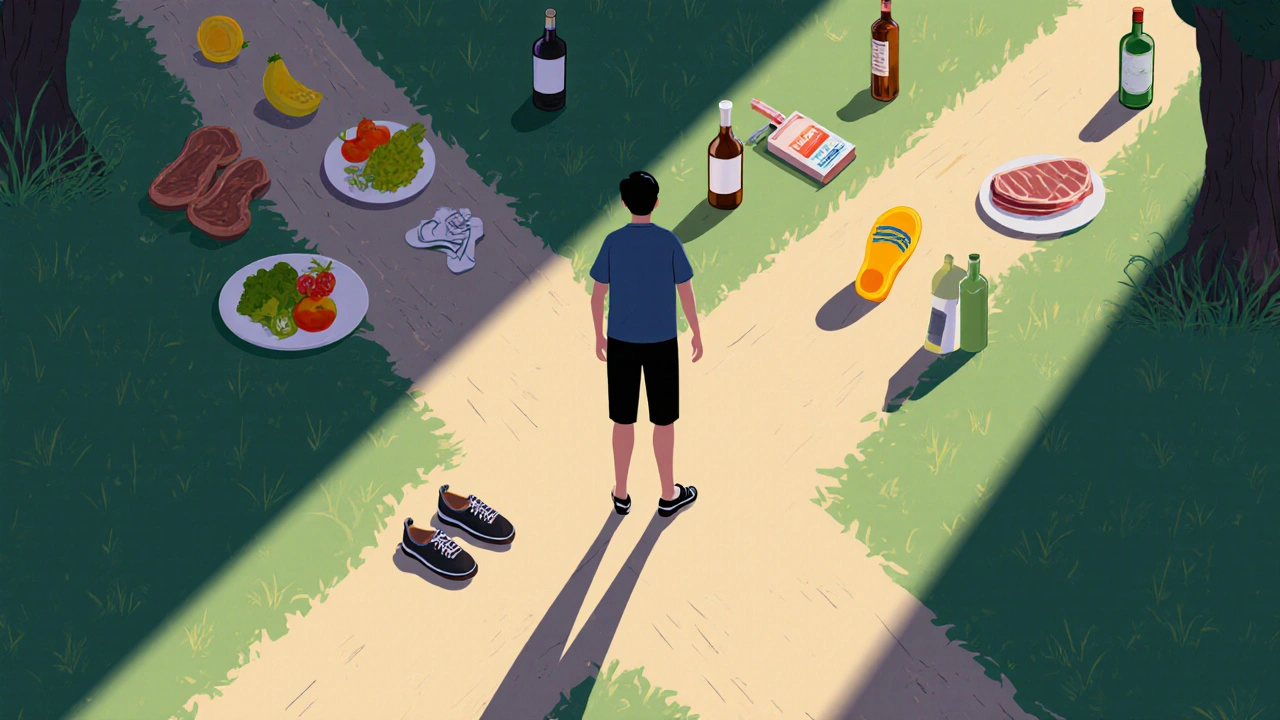
Cancer Prevention: How Lifestyle Changes and Chemoprevention Reduce Your Risk
Cancer prevention is possible through everyday lifestyle choices like quitting smoking, staying active, eating vegetables, and limiting alcohol. Chemoprevention helps high-risk individuals but isn't for everyone. Small, consistent changes make the biggest difference.
November 25 2025