
You hold your coffee cup, and suddenly your hand starts shaking so badly the liquid spills. It happens when you try to sign a document or lift a fork. For millions of people, this isn't nerves-it is a chronic condition called Essential Tremor a neurological movement disorder characterized by involuntary rhythmic shaking affecting hands, head, and voice. Unlike the resting tremors seen in Parkinson's disease, this shaking happens during action. It is the most common movement disorder globally, impacting roughly 10 million Americans alone, according to the International Essential Tremor Foundation.
The disorder typically appears in two distinct age windows. Many people notice symptoms between ages 10 and 20, while others see onset later in life, often between 50 and 60 years old. A 2019 study published in Neurology highlighted that prevalence jumps dramatically with age, rising from 0.4% in people in their late forties to over 14% in those past ninety. By your sixties, statistics show 95% of cases have already been diagnosed. This high visibility makes understanding the condition and its management vital for quality of life.
The Link Between Neural Circuits and Shaking
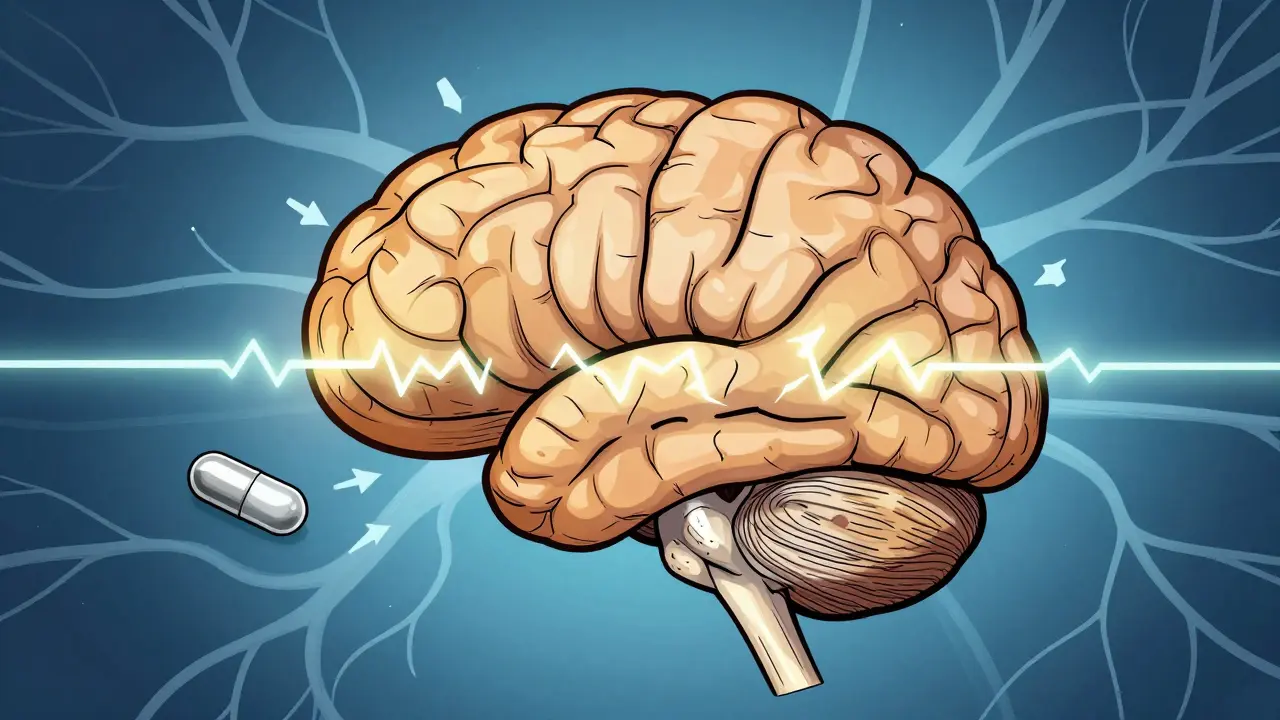
To understand why beta-blockers work, we first need to look at what goes wrong in the brain. Post-mortem studies conducted by Louis et al. in 2012 demonstrated that patients experience a loss of GABAergic neurons in the cerebellum. This area connects to the thalamus and cortex, forming a circuit that controls movement precision. When this pathway malfunctions, signals sent to muscles become erratic.
This physiological gap explains why treatments focusing on the nervous system are effective. While researchers do not yet have a cure, they have identified drugs that calm the signal noise. The International Essential Tremor Foundation notes that dysfunction in the cerebellar-thalamo-cortical circuit is the core driver. Without this specific understanding, many might mistake the symptom for general anxiety or simple aging, delaying effective care.
Beta-Blocker Therapy: History and Mechanism
The story of treating this condition begins in the 1960s. Zitrin and his team noticed something remarkable while treating hypertension patients. Those taking propranolol reported reduced shaking alongside lower blood pressure. This observation led to the first dedicated use of Propranolol a non-selective beta-adrenergic receptor blocker used off-label for essential tremor treatment.
By 1967, regulatory bodies approved its specific use for tremor management. Despite being decades old, it remains a cornerstone of therapy. The mechanism remains partially mysterious. Early theories suggested peripheral beta-2 receptor blockade was key, but a 1981 NIH double-blind study offered new perspective. Metoprolol, which is less likely to cross the blood-brain barrier, reduced tremor magnitude by 47%. Propranolol achieved 55%. Since metoprolol is hydrophilic and stays mostly in the periphery, these findings suggest central nervous system effects play a significant role in stopping the shake.
Dosing Protocols and Efficacy Data
Prescribing this therapy requires precision. Clinical guidelines recommend starting low and titrating up slowly. Most neurologists begin with 30 mg daily. Patients take divided doses, gradually increasing by 20 to 40 mg each week until therapeutic levels are reached. Optimal blood concentrations sit between 30 and 100 ng/mL. McAllister established this target in the 1970s, and modern practice still follows it closely.
| Treatment | Response Rate | Typical Daily Dose | Key Side Effects |
|---|---|---|---|
| Propranolol | 50-60% | 60-320 mg | Fatigue, Bradycardia |
| Primidone | 60-70% | 125-500 mg | Nausea, Drowsiness |
| Topiramate | 33-50% | 215-333 mg | Cognitive fog, Weight loss |
Data shows propranolol achieves about 50% to 60% tremor reduction in roughly half the patient population. Primidone offers slightly higher response rates, reaching 60% to 70%, but comes with a steeper penalty. Discontinuation rates for primidone hit 38% compared to 22% for propranolol. Patients often cite sedation and cognitive slowing as reasons for stopping. This trade-off influences doctor-patient decisions significantly.
Safety Considerations and Contraindications
Not everyone can safely take these medications. The absolute contraindication involves asthma. Blocking adrenergic receptors can trigger bronchospasm in asthmatic lungs. FDA labeling cites a 32% risk for this reaction. Consequently, doctors screen respiratory history thoroughly before prescribing. Severe bradycardia, defined as a heart rate under 50 beats per minute, also bars usage. Decompensated heart failure presents another risk zone where blocking cardiac function could worsen the condition.
Monitoring is non-negotiable. Baseline ECGs provide a snapshot of heart rhythm before starting. Regular checks track systolic blood pressure, aiming to keep it above 100 mmHg to prevent dizziness. Abruptly stopping the drug poses a danger known as rebound phenomenon. Sudden withdrawal can increase the risk of myocardial infarction. Tapering off slowly protects the cardiovascular system from shock.
Elderly patients face unique challenges. Dr. Irene Malaty highlighted in a 2022 review that fall risks multiply when doses exceed 120 mg daily. Orthostatic hypotension becomes common. A 78-year-old patient documented on AgingCare.com fell twice after standing too quickly on a moderate dose. Balancing tremor control with stability requires careful titration, often prioritizing daytime dosing strategies to minimize nighttime falls.
Alternatives When Beta-Blockers Fail
When first-line therapies do not work, other options exist. Approximately 25% to 55% of patients do not respond adequately to beta-blockers or primidone alone. In these cases, topiramate emerges as a secondary option. Level B evidence supports its efficacy, though cognitive side effects limit long-term adherence. Studies indicate 30% to 40% of users discontinue due to mental fogginess.
Gabapentin offers another pharmacological path, showing mixed results. One trial showed it worked comparably to propranolol, reducing tremor by 45%. However, later placebo-controlled trials found improvements similar to a placebo group. This inconsistency leaves clinicians weighing individual patient response over population averages.
For severe cases, procedural interventions offer hope. Deep brain stimulation provides 70% to 90% improvement in motor control. Penn Medicine outcomes data confirms high success rates, yet surgery carries risks. Serious complications occur in 2% to 5% of cases according to FDA safety databases. Botulinum toxin injections work well for voice tremors but cause hand weakness in most patients at therapeutic doses.
Newer technology is changing the landscape. Focused ultrasound thalamotomy received FDA approval in 2023. It creates lesions in the brain without opening the skull. Recent studies in the New England Journal of Medicine showed 47% improvement at three months. Additionally, gene therapy trials targeting VY-AADC01 showed promise in 2024 Phase 3 results. These developments signal a shift toward disease-modifying approaches rather than just symptom management.
Living with the Condition
Patient experiences reveal the reality of daily management. On forums like PatientsLikeMe, reviews for propranolol average 3.7 out of 5 stars. About 62% report significant improvement in functionality. A violinist in a 2022 case study reduced her tremor rating from 18 to 6 on the International Tremor Rating Scale using 160 mg daily. She could play complex passages again.
However, the burden of fatigue affects 32% of users. Sleepiness interferes with work and driving. Some switch to extended-release formulations to smooth out peak plasma levels. This change reduces dizziness incidents by 35% according to 2017 Neurology findings. Evening dosing helps another 62% sleep better, integrating the medication into their natural rest cycle.
Support networks play a crucial role. The International Essential Tremor Foundation maintains a nurse hotline answering 92% of calls immediately. Community chapters connect families dealing with similar struggles. Sharing strategies for coping with spill-prone situations or handwriting difficulties offers psychological relief alongside medical advice.
We continue to face gaps in progress. Dr. Mark Hallett noted in 2020 that current treatments address symptoms but not disease progression. Cerebellar degeneration continues despite stable tremor scores. Genetic testing is now recommended for familial cases, occurring in 50% to 70% of instances. Identifying risk early allows for lifestyle adjustments and preparation. Research agendas prioritize finding therapies that halt neuron loss rather than just masking the shake.

Callie Bartley
April 1, 2026 AT 13:46Managing symptoms forever feels like waiting for a cure that never arrives honestly. It is frustrating to see people rely on drugs that cause fatigue and dizziness just to stop shaking a little less. The medical system pushes these beta blockers without really caring about quality of life issues. Nobody talks about how awful it feels to get tired all day long. I feel like the focus is wrong here. We need better options than just masking the problem.
James DeZego
April 2, 2026 AT 14:35I have used propranolol for three years now and it helps significantly with daily tasks 🙂. You just need to monitor your heart rate regularly to stay safe from side effects. It is great when you find the right dose that works for you specifically 😊. Please keep communicating with your doctor if things feel off. Safety comes first always!
Molly O'Donnell
April 3, 2026 AT 19:17Beta blockers dont work for everyone because the cerebellum circuitry varies too much.
Cullen Zelenka
April 5, 2026 AT 03:25There is so much hope in the newer treatments mentioned like focused ultrasound. It is amazing to see technology advancing this fast for neurological conditions. People should stay optimistic about what comes next year. I believe therapy options will expand further soon.
Rod Farren
April 6, 2026 AT 05:14The pathophysiology involves a disruption in the cerebellar-thalamo-cortical loop which necessitates pharmacological intervention. Propranolol acts as a non-selective beta-adrenergic antagonist that crosses the blood-brain barrier effectively. Metoprolol demonstrates lower lipophilicity which explains its reduced central efficacy compared to propranolol. Clinicians must consider the half-life of these agents when titrating dosage schedules. Plasma concentrations should ideally remain between thirty and one hundred nanograms per milliliter for therapeutic effect. Withdrawal phenomena present significant risks including rebound hypertension and potential myocardial infarction events. Tapering protocols are mandatory before discontinuing therapy abruptly. Adrenergic blockade poses contraindications in patients with asthmatic respiratory histories due to bronchospasm risks. GABAergic neuron loss in the cerebellum remains the primary histological finding in post-mortem analyses. Deep brain stimulation targets the ventralis intermedius nucleus of the thalamus for refractory cases. Gene therapy trials targeting VY-AADC01 show promise in modifying disease progression rather than symptom management. Pharmacokinetic variability means individual responses diverge widely from population averages seen in clinical trials. Cognitive side effects limit topiramate adherence despite its moderate efficacy rates in certain cohorts. Cardiac monitoring via ECG remains standard practice prior to initiation of beta-blockade therapy. Comprehensive patient monitoring ensures safety throughout the entire treatment course.
Owen Barnes
April 6, 2026 AT 05:27the fall risks r real espically for older folks. i seen people stand up and spin cuz of the drops in pressure. doctors should tell u to move slow in teh morning. dont rush it or ur legs give out. taking meds at night helps sleep too. hope yall stay safe out there.
Russel Sarong
April 8, 2026 AT 04:44This condition affects so many lives!; It is truly devastating!!!. The statistics are scary......; especially seeing the prevalence rise with age..!!. We need more research!!.. Everyone suffers silently;;;;. But there is a way forward!!!. Treatment exists!!!!!. Keep fighting against the odds!!!!!!.
Cara Duncan
April 8, 2026 AT 13:44It is wonderful that support networks exist for families 🌈. Sharing coping strategies helps reduce isolation greatly 💙. We can all learn from each other’s experiences 🤝. Please join local chapters if possible 📍. Community strength matters so much ❤️.
Arun Kumar
April 9, 2026 AT 20:49You can manage this condition with the right mindset and tools available today. Starting medication slowly allows your body to adjust to new rhythms easily. Listening to your physician ensures safety throughout the process always. Consistency is key when building a routine around dosing times. Many people regain confidence quickly once tremors stabilize enough. Remember that progress takes time and patience is vital. Stay positive and believe in recovery possibilities constantly.
Christopher Beeson
April 11, 2026 AT 15:02The fundamental human struggle is against biological decay and medicine merely delays the inevitable collapse. Symptom management is a bandage on a bleeding artery of cellular degeneration we cannot heal. Society accepts disability as normal until the patient becomes a burden on resources. Treating the shake ignores the silent death of neurons happening behind the scenes. We mask pain rather than stopping the source of the neural erosion occurring deep within. Isolation grows as friends drift away due to erratic social behaviors caused by tremors. The economic cost of lifelong medication drains generational wealth unnecessarily. Investment focuses on profit margins rather than halting cerebellar atrophy effectively. Research agendas prioritize extending life spans over improving functional capacity meaningfully. Patients become experimental subjects for decades without guarantee of improvement. Hope is manufactured to sell pills instead of solving the root cause of pathology. True advancement requires ignoring market forces and attacking genetic vulnerabilities directly. Until then we watch our bodies betray us gradually over decades. It is a sad reality that science prioritizes longevity over quality. Acceptance of decline is the only honest stance we can take.
Eleanor Black
April 13, 2026 AT 09:17It is imperative to acknowledge the severity of orthostatic hypotension in elderly populations utilizing these therapies. The risk of falling represents a significant threat to independent living arrangements often overlooked 🧐. Dosing strategies must be tailored meticulously to prevent cardiovascular complications during transitions 🫀. Monitoring systems require rigorous adherence to ensure systolic pressures remain adequate levels throughout 📉. Sleep disturbances reported by many users indicate the need for extended-release formulations frequently 😴. Psychological impacts of chronic fatigue cannot be ignored when planning daily activities 🛌. Medical professionals should prioritize patient safety above aggressive symptom suppression metrics 🏥. Caregivers need education on recognizing signs of abrupt withdrawal syndromes immediately 🚑. Family members play a critical role in supporting medication schedules consistently 💪. Technology integration could assist with reminders for intake times reliably ⏰. Community resources provide essential emotional backing for individuals feeling isolated socially 🌸. We must continue advocating for research into neuroprotective agents aggressively 🧠. Early detection facilitates better long term outcomes significantly 📈. Genetic testing offers valuable information regarding familial risk factors accurately 🔬. Overall vigilance ensures optimal management of this complex disorder comprehensively ✅.
Julian Soro
April 13, 2026 AT 12:59Propranolol remains the gold standard for initial pharmacological intervention in most cases. Understanding the mechanism helps patients adhere to regimens more consistently overall. Side effects like bradycardia should be tracked closely during titration phases carefully. Lifestyle adjustments such as stress reduction complement medical therapy well usually. Extended release options smooth out peak plasma levels nicely for stability purposes. Discussing expectations with your specialist ensures realistic goals are set beforehand clearly. Knowledge empowers patients to advocate for their own health needs effectively daily.
Sharon Munger
April 14, 2026 AT 20:20Collaboration between doctors and patients leads to better results generally. Shared decision making respects individual preferences fully. Open communication builds trust within the care team relationships. We learn from each experience together. Progress happens step by step over time. Keeping records helps track changes accurately. Support networks matter a lot for mental wellness.
Jenny Gardner
April 16, 2026 AT 01:34Sharing accurate medical information!! We must understand the nuances of beta blocker therapy!!! Safety monitoring is absolutely critical!! The guidelines are clear!! Do not ignore respiratory history!! Asthma patients face high risks!! Heart rate checks are mandatory!! Sudden stops are dangerous!! Please consult specialists!! Your health comes first!!!