
Physician Perceptions: How Doctors Think About Medications, Risks, and Treatment Choices
When it comes to prescribing drugs, physician perceptions, the beliefs, experiences, and biases that shape how doctors choose treatments. These aren't just opinions—they directly affect whether a patient gets the right drug, the right dose, or even the right chance at relief. A doctor’s view on opioid therapy, the use of painkillers like oxycodone for chronic conditions isn’t just about guidelines. It’s shaped by real cases: patients who got hooked, ER visits after overdoses, or the quiet frustration of treating pain without good alternatives. That’s why some doctors avoid opioids altogether, while others use them cautiously—each decision rooted in what they’ve seen work, or fail, in their own practice.
Medication adherence, how well patients take their drugs as prescribed is another big piece. Doctors know a pill only helps if it’s taken. But they also know patients skip doses because of cost, confusion, or side effects they didn’t tell anyone about. That’s why some push for one pharmacy, using a single pharmacy to track all medications and catch dangerous interactions—it’s not just convenience, it’s a safety net. And when it comes to herbal supplements, natural products that can interfere with prescription drugs, many physicians are wary. They’ve seen St. John’s wort ruin antidepressants, garlic thin blood before surgery, or ginkgo mess with anticoagulants. But they also know patients won’t always tell them. So they ask more often, and they learn to read between the lines.
Perceptions shift too. Ten years ago, many doctors thought generics were risky. Now, they know generic medication effectiveness, how well off-brand drugs perform compared to brand-name versions is often identical—except for drugs with narrow therapeutic windows like warfarin or thyroid meds. They’ve learned to watch for subtle changes after a switch. Same with digital therapeutics, FDA-cleared apps and devices that act like medicine. A few years ago, they were skeptical. Now, some use them to boost adherence, track asthma inflammation with FeNO, or even help patients manage PCOS with metformin. These aren’t sci-fi tools—they’re part of daily practice.
What you’ll find below isn’t just a list of articles. It’s a window into how doctors actually think—what they worry about, what surprises them, and what they’ve learned the hard way. From how serious adverse events, life-threatening side effects that must be reported in clinical trials are tracked to why some physicians now test for fake penicillin allergies, these posts show the real-world logic behind every prescription. No jargon. No fluff. Just what matters when the clock is ticking and a patient is waiting.
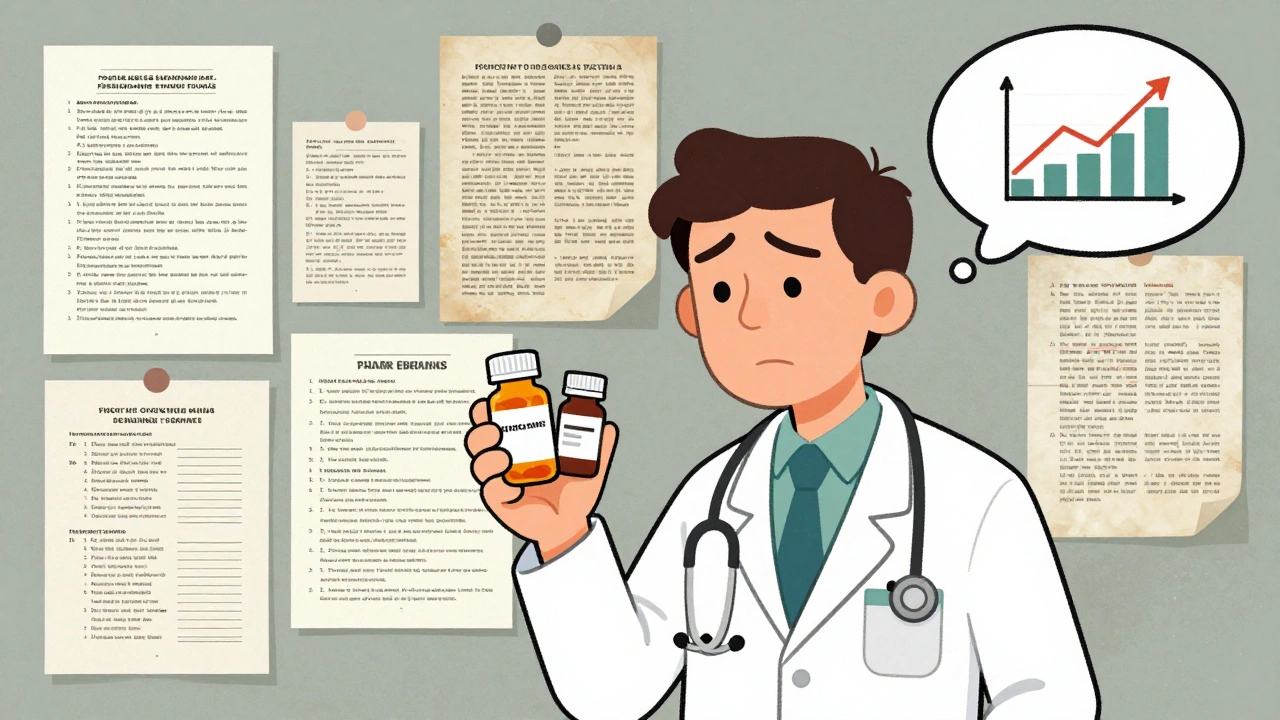
Doctor Attitudes Toward Generic Drugs: What Providers Really Think
Doctors often hesitate to prescribe generic drugs due to misconceptions about quality and effectiveness. Research shows education, real-world data, and peer influence can shift attitudes and improve patient outcomes.
December 8 2025