
Peanut Allergy in Infants: Signs, Risks, and What Parents Need to Know
When it comes to peanut allergy in infants, a potentially life-threatening immune reaction to peanut proteins that can trigger breathing trouble, hives, or shock. Also known as peanut hypersensitivity, it’s one of the most common and dangerous food allergies in young children, affecting about 2% of kids in the U.S. by age 5. Unlike some allergies that fade with time, peanut allergies often last a lifetime—and they can strike suddenly, even with minimal exposure.
Here’s what you need to understand: infant food allergy, an abnormal immune response to a food protein that causes symptoms like vomiting, rash, or swelling isn’t always obvious. Some babies show mild skin reactions after first exposure, while others go into anaphylaxis in children, a sudden, severe whole-body reaction that blocks airways and drops blood pressure without warning. The good news? Research from the LEAP study showed that introducing peanut products to high-risk babies between 4 and 11 months old can cut the risk of developing peanut allergy by up to 80%. That’s not a guess—it’s a proven strategy backed by the NIH and AAP.
But timing matters. If your baby has severe eczema or an egg allergy, they’re at higher risk. Talk to your pediatrician before offering peanut butter or peanut powder. Don’t wait until they’re older. Waiting past 12 months increases the chance of allergy development. And don’t assume a negative test means safety—some kids react only after repeated exposure. Skin tests and blood tests help, but they’re not perfect. The real test is controlled introduction under medical supervision if needed.
Many parents panic at the thought of giving peanuts to a baby. But whole peanuts? Never. Choking risk is real. Use thinned peanut butter, peanut puff snacks, or peanut flour mixed into purees. Start with a tiny amount—like a quarter teaspoon—and watch for 10 to 15 minutes. If nothing happens, slowly increase over days. Keep an epinephrine auto-injector on hand if your doctor recommends it. Most reactions happen within minutes, so quick action saves lives.
What you won’t find in most guides: peanut allergy isn’t just about what you feed your baby. It’s also about environment. Skin contact with peanut residue on toys, tables, or hands can trigger sensitization in babies with broken skin from eczema. That’s why keeping skin moisturized and avoiding cross-contact is as important as what’s on the spoon.
And don’t confuse allergy with intolerance. A tummy ache after eating peanut butter isn’t the same as swelling lips or wheezing. True allergy involves IgE antibodies and immune system overdrive. That’s why testing matters. You can’t just guess. If your child has a reaction, even a mild one, get evaluated before trying again.
Below, you’ll find real-world advice from trusted sources on how to safely introduce peanuts, how to recognize early signs of reaction, when to call 911, and how to manage life with a peanut-allergic child. No fluff. No fearmongering. Just what works.
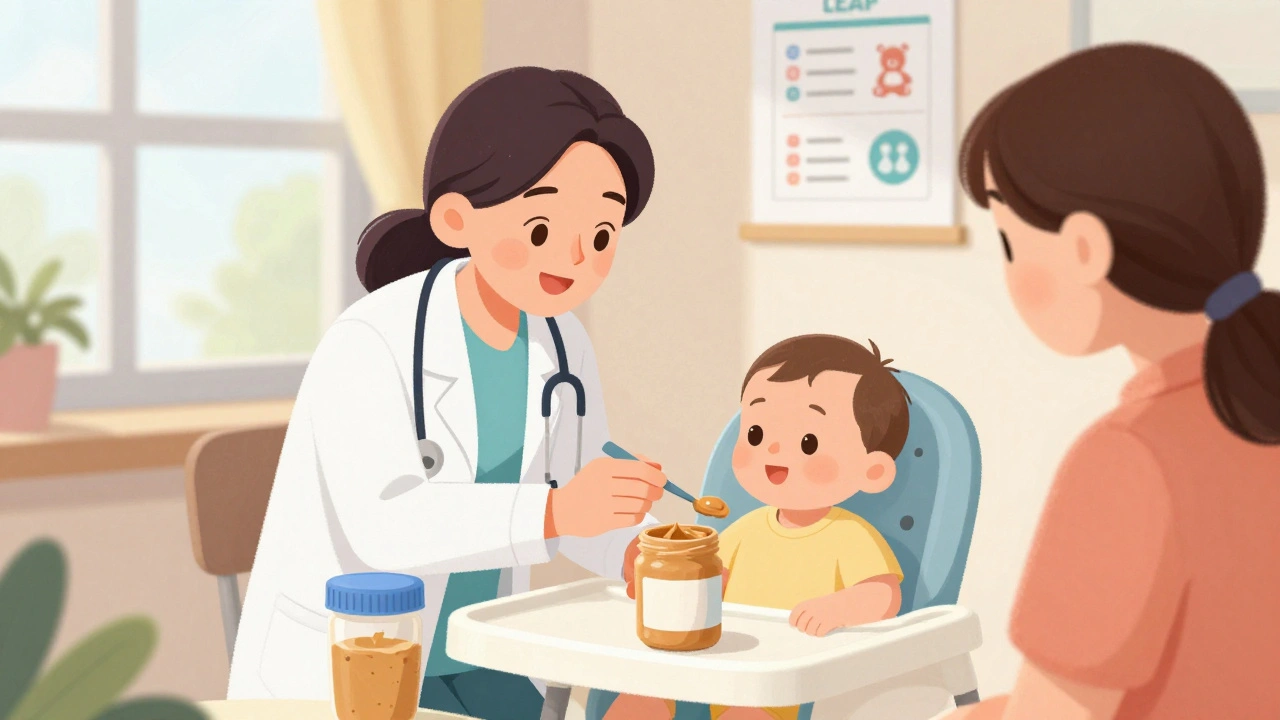
Peanut Allergy Prevention: When and How to Introduce Peanuts to Infants
Learn how early peanut introduction can prevent peanut allergy in infants, based on the latest medical guidelines. Discover the right age, safe methods, and what to avoid.
December 3 2025