
Pain Management Guidelines: What Works, What Doesn't, and How to Stay Safe
When it comes to pain management guidelines, a set of evidence-based recommendations doctors follow to treat pain safely and effectively. Also known as chronic pain protocols, these guidelines exist because pain isn’t just a symptom—it’s a condition that can spiral out of control if treated the wrong way. The old approach—reach for the strongest pill first—is outdated. Today’s guidelines focus on starting low, moving slow, and using non-drug options before reaching for opioids. That’s not just caution—it’s science.
One of the biggest shifts in recent years? opioid safety, a core pillar of modern pain management that limits long-term opioid use due to addiction risk and overdose potential. Also known as opioid prescribing standards, this isn’t about denying relief—it’s about preventing harm. Studies show that for most types of chronic pain, opioids offer little long-term benefit but carry serious risks. That’s why guidelines now push non-opioid pain relief, a broad category including physical therapy, nerve blocks, anti-inflammatories, and even cognitive behavioral therapy. Also known as multimodal pain control, these methods work better together than any single drug ever could.
What you won’t find in good guidelines? Blanket rules. Pain is personal. A herniated disc in one person might respond to heat and stretching. In another, it could need a nerve block. That’s why guidelines emphasize tracking your own response—keeping a log of what helps, what hurts, and how you feel day to day. That’s not just advice—it’s your best tool. If you’re on multiple meds, you need to watch for interactions. A common painkiller like ibuprofen can mess with kidney function if you’re also on blood pressure drugs. Even something as simple as magnesium supplements can block osteoporosis meds, reducing their effect by up to 60%. These aren’t edge cases. They’re everyday risks.
And it’s not just about pills. Sleep, stress, and movement all play a role. Poor sleep makes pain worse. Stress tightens muscles and amplifies signals to the brain. Movement—even gentle walking—triggers natural painkillers your body already makes. Guidelines now include all of this because real-world data shows it works. The most effective pain plans don’t rely on one thing. They combine the right meds, the right habits, and the right support.
Below, you’ll find real stories and facts from people who’ve been through this. Some switched from opioids to physical therapy and got their life back. Others learned how to spot dangerous drug combos before it was too late. A few discovered that their "allergy" to a common painkiller was just a side effect—and got proper treatment after testing. These aren’t theory pieces. They’re practical, tested, and grounded in what actually helps patients.
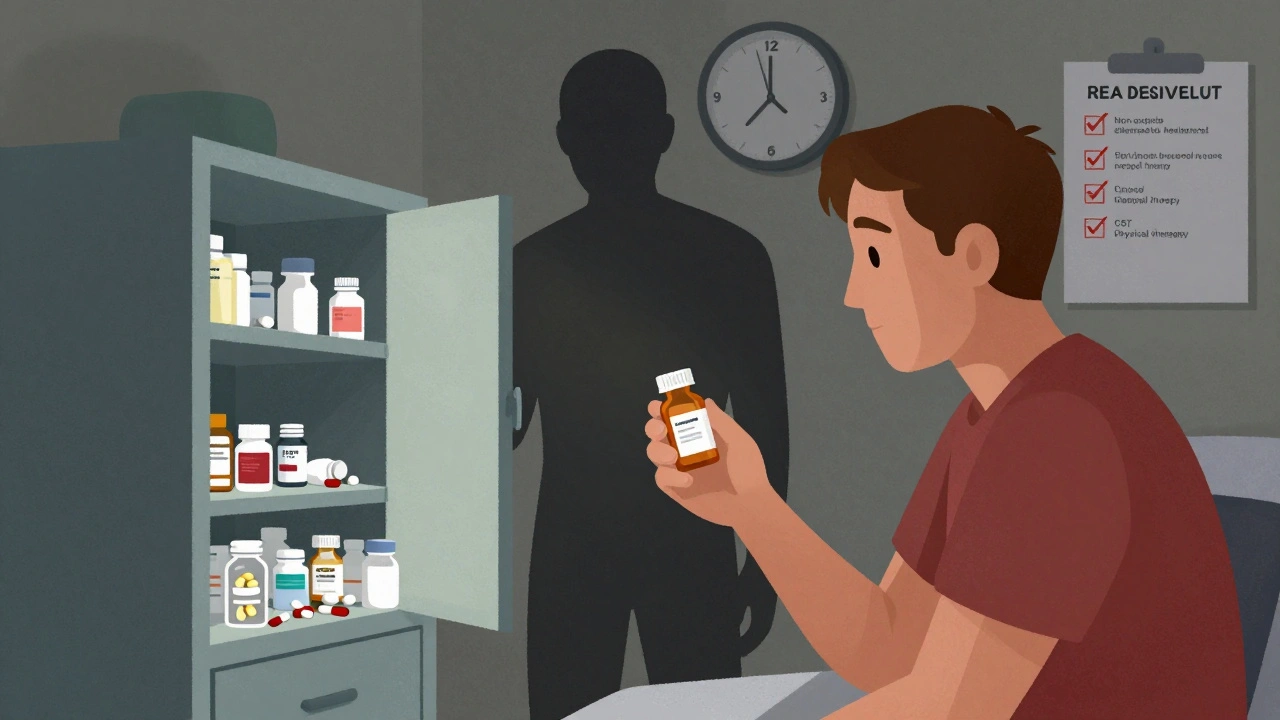
Opioid Therapy: When It’s Appropriate and the Real Risks of Dependence
Opioid therapy can help with severe pain, but it carries serious risks of dependence and overdose. Learn when it's appropriate, how to spot danger signs, and what safer alternatives exist.
December 9 2025