
Overdose Prevention: How to Stop Drug Accidents Before They Happen
When we talk about overdose prevention, the practice of stopping accidental or intentional drug toxicity before it causes harm. Also known as drug safety planning, it’s not just for people using street drugs—it’s for anyone taking prescription pills, OTC painkillers, or even supplements that interact with their meds. Every year, thousands of people overdose—not because they’re trying to end their life, but because they didn’t know mixing two common drugs could be deadly. Or because they took an extra pill thinking it would help faster. Or because their medicine expired and they didn’t realize it had lost potency and they took more to feel the same effect.
medication safety, the system of habits and checks that keep drugs from harming you is the backbone of overdose prevention. It’s not about being perfect—it’s about building small, repeatable habits. Using one pharmacy so your pharmacist sees all your meds. Keeping a list of everything you take—even the gummies you chew for sleep. Knowing that drug interactions, when two or more substances change how each one works in your body can turn a safe dose into a dangerous one. Like taking melatonin with a sleep aid that already contains diphenhydramine. Or mixing ibuprofen with blood pressure pills. These aren’t rare mistakes. They happen daily.
And then there’s naloxone, a life-saving drug that reverses opioid overdoses in minutes. It’s not just for heroin users. Many prescription painkillers—oxycodone, hydrocodone, even tramadol—can cause fatal overdoses. Naloxone is now available over the counter in most states. Keep it in your medicine cabinet, your car, your purse. If you or someone you love takes opioids, having naloxone nearby is like having a fire extinguisher in the kitchen. You hope you never need it. But if you do, it could mean the difference between life and death.
Overdose prevention doesn’t require a clinic visit or a diagnosis. It’s about asking simple questions: Do I know what each pill is for? Am I taking more than I should? Could this mix with something else? Is my medicine stored where a kid or pet could get to it? Did I check if my generic switched and changed how I feel? These aren’t theoretical concerns. They’re real, everyday risks.
The posts below cover the real-world ways people accidentally overdose—and how to stop it before it starts. You’ll find guides on safely storing liquid antibiotics, spotting signs of steroid damage, avoiding dangerous supplement clashes, and understanding what happens when you mix meds. No fluff. No fearmongering. Just clear, practical steps anyone can use to protect themselves and their loved ones.

How to Safely Restart Medication After a Break Without Overdose
Learn why restarting medication after a break carries severe overdose risks due to lost tolerance. Discover safe dosing strategies, high-risk drug classes, and essential prevention tools.
March 26 2026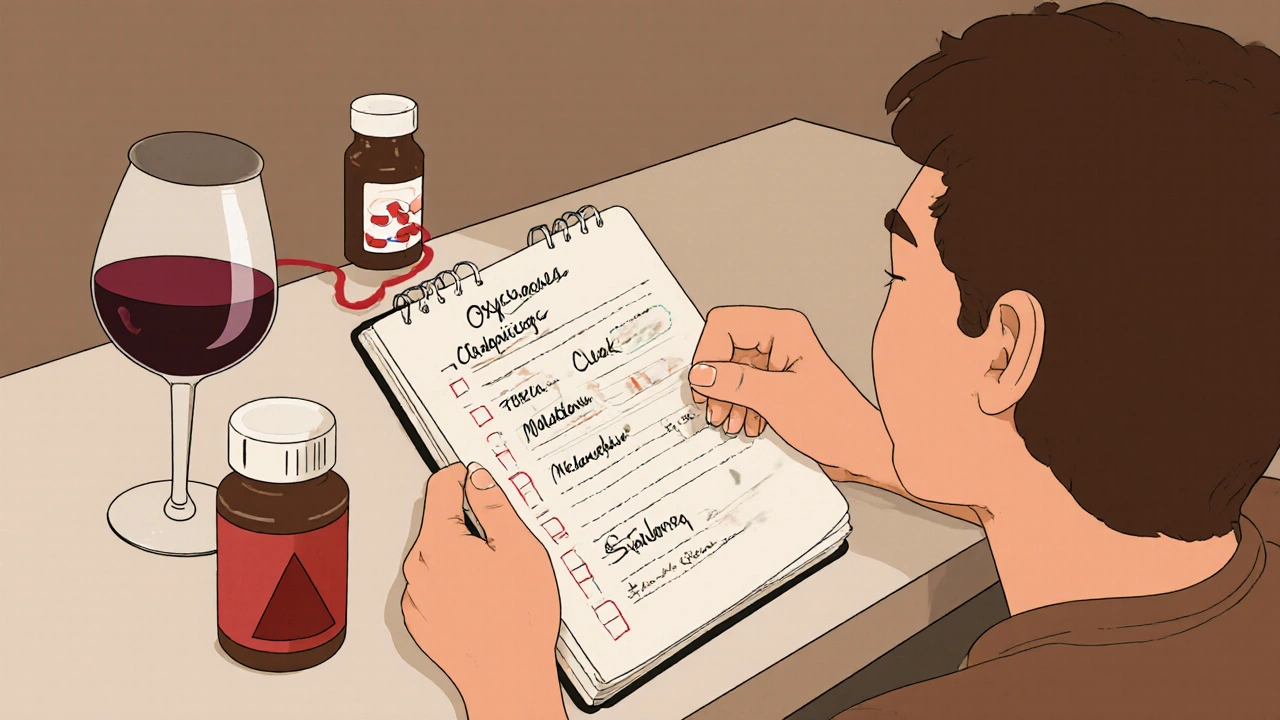
How to Use a Medication Log to Prevent Overdose Errors
Learn how to use a simple medication log to track what you take, when, and how you feel - and prevent accidental overdose from prescription drugs, alcohol, or dangerous combinations.
November 19 2025