
Medication Reconciliation: Stop Errors, Save Lives
When you take multiple drugs, medication reconciliation, the process of comparing your current medications with what you should be taking to catch errors and avoid dangerous overlaps. It’s not just paperwork—it’s the moment your pharmacist, doctor, or nurse stops you from accidentally doubling up on blood pressure pills, mixing antibiotics that cancel each other out, or forgetting you’re on a blood thinner when a new doctor writes a prescription. This isn’t a one-time thing. It happens every time you switch care settings—leaving the hospital, seeing a new specialist, or even just filling a new script at the pharmacy. And it’s the reason why using one pharmacy, a single pharmacy that tracks all your prescriptions to flag interactions and duplicates cuts your risk of a bad reaction by nearly half.
Think of medication reconciliation, the process of comparing your current medications with what you should be taking to catch errors and avoid dangerous overlaps as your personal drug audit. It’s what stops you from taking both Simvastatin, a cholesterol-lowering statin that can interact dangerously with other drugs if not monitored and a new supplement that blocks its effect. It’s why you need a medication log, a simple written or digital record of every pill, dose, and time you take it to show your doctor during a visit. Without it, you might forget you’re on metformin for PCOS and start a new diabetes drug that causes low blood sugar. Or you might not realize that your magnesium supplements, a common nutrient that can block osteoporosis drugs like Fosamax if taken too close together are making your bone medication useless. These aren’t hypotheticals—they’re real mistakes happening every day because no one took the time to reconcile what’s on paper with what’s in your body.
And it’s not just about pills. It’s about timing, storage, and even how you track side effects. If you switch to a generic version of your thyroid med and don’t monitor your symptoms or lab results, you could be in danger. If you store your liquid antibiotics wrong, they lose potency. If you don’t tell your pharmacist you’re using a digital therapeutic, an app-based treatment that can interact with your prescriptions and affect how your body responds, you’re flying blind. That’s why the posts here aren’t just random guides—they’re the tools you need to make medication reconciliation work in real life. You’ll find how to build a pill diary that actually sticks, how to spot when a generic isn’t working like the brand, how to avoid deadly interactions between supplements and prescriptions, and why your pharmacist is your best ally in this process. This isn’t theory. It’s what keeps people out of the ER. And you’re about to learn how to do it right.
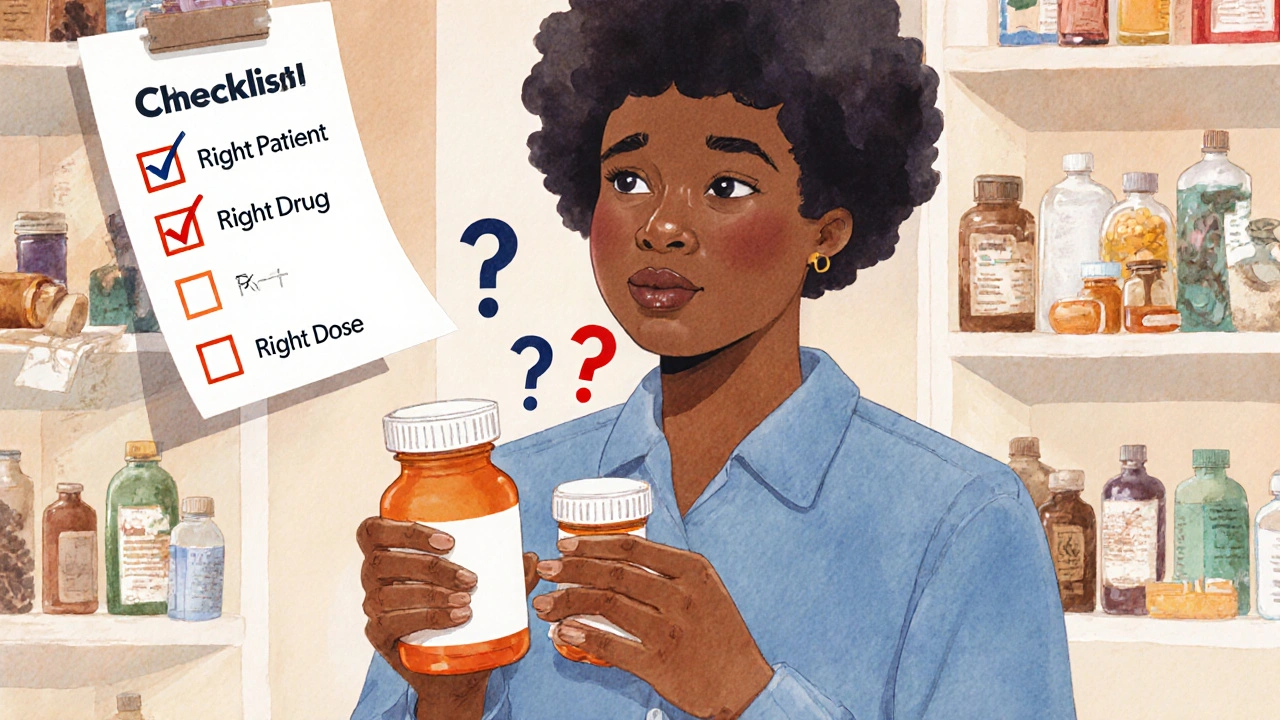
Medication Safety Basics: How to Use Prescription Drugs Responsibly
Learn how to use prescription drugs safely with practical steps to avoid errors, reduce side effects, and prevent dangerous interactions. Essential tips for patients managing multiple medications.
November 12 2025