
Mandibular Advancement Device: How It Helps with Sleep Apnea and Snoring
When you think of sleep apnea treatment, you might picture a bulky machine with a mask — but there’s another option that’s small, quiet, and worn like a mouthguard: the mandibular advancement device, a custom-fitted oral appliance that gently moves the lower jaw forward during sleep to prevent airway collapse. Also known as a sleep apnea mouthpiece, it’s a proven alternative for people who can’t tolerate CPAP or have mild to moderate obstructive sleep apnea. This isn’t just for snoring — it’s a medical device approved by the FDA for treating sleep-disordered breathing.
The oral appliance therapy, a category of dental devices designed to maintain an open airway during sleep includes mandibular advancement devices as its most common type. These devices work by holding the jaw in a slightly forward position, which prevents the tongue and soft tissues from blocking the throat. Unlike CPAP, there’s no hose, no noise, and no mask — just a snug plastic piece that fits over your upper and lower teeth. They’re especially helpful for people who travel, sleep on their side, or find CPAP uncomfortable. But they’re not for everyone: if you have severe sleep apnea, dental issues, or jaw joint problems, your doctor might recommend something else.
What makes this different from over-the-counter snoring strips or chin straps? Those don’t move your jaw — they just try to keep your mouth closed or reduce vibration. A real mandibular advancement device is custom-made or professionally fitted by a dentist trained in sleep medicine. It’s not a one-size-fits-all gadget; it’s tailored to your bite, your jaw movement, and your specific airway anatomy. Studies show that when used correctly, these devices reduce breathing pauses by 50% or more in many patients, improve sleep quality, and lower daytime fatigue.
You’ll also see these devices called jaw position therapy, a non-invasive method to treat sleep apnea by repositioning the lower jaw — and that’s exactly what it does. It doesn’t cure sleep apnea, but it manages it effectively for thousands of people every day. Some users report improved dental health too, since the device can reduce teeth grinding. But it’s not without risks: if fitted poorly, it can cause jaw pain, tooth movement, or bite changes. That’s why professional oversight matters.
Below, you’ll find real-world insights from people who’ve tried different approaches to sleep apnea — from how these devices compare to CPAP, to what happens when you stop using them, to how to spot a fake product online. You’ll also see how they interact with other treatments, what to expect during adjustment, and why some people swear by them while others ditch them after a week. This isn’t marketing fluff — it’s what patients and doctors actually talk about when they’re trying to find a solution that works.
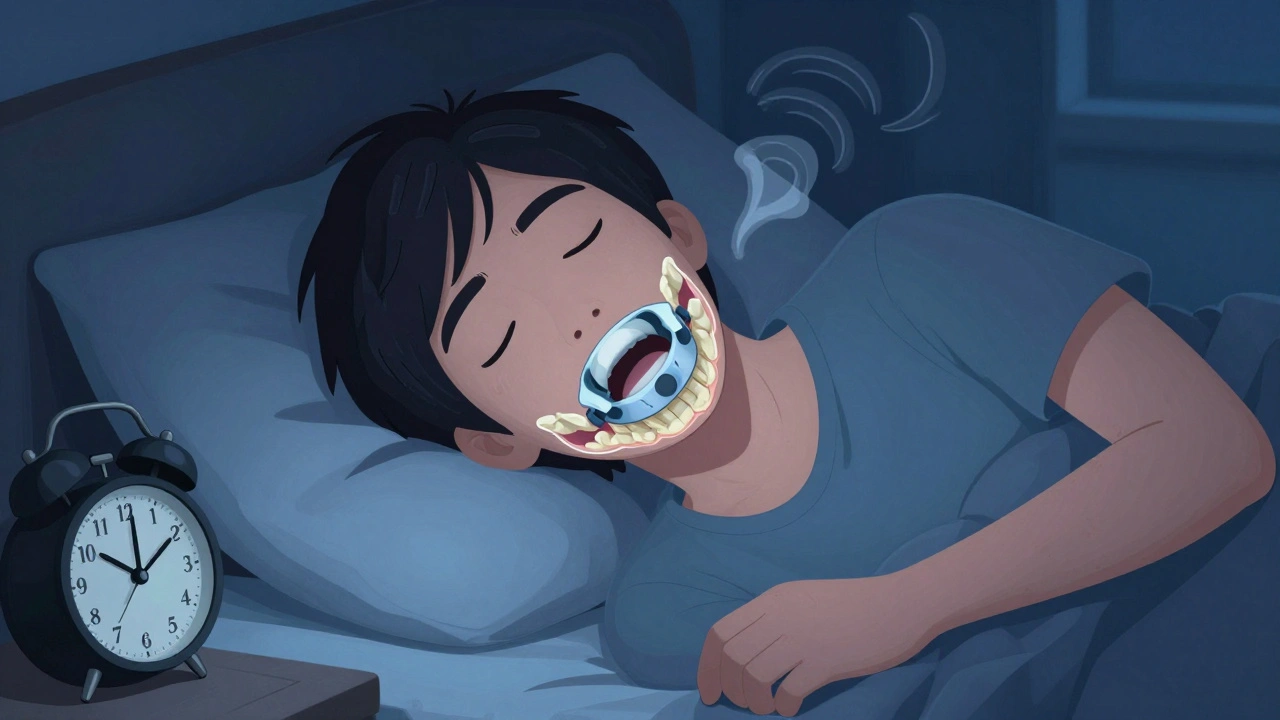
Oral Appliance Therapy for Snoring: How Mandibular Advancement Devices Work and Who They Help
Oral appliance therapy with mandibular advancement devices offers a non-invasive, effective solution for snoring and mild sleep apnea. Learn how they work, who benefits most, and what to expect before and after use.
December 6 2025