
Flumazenil: What It Is, How It Works, and When It's Used
When someone overdoses on a benzodiazepine like Xanax, Valium, or Ativan, their breathing can slow to dangerous levels. That’s where flumazenil, a GABA receptor antagonist used to reverse the effects of benzodiazepines. It is also known as a benzodiazepine reversal agent, comes in. Flumazenil doesn’t just wake someone up—it blocks the drug from binding to brain receptors, quickly restoring normal breathing and alertness. This isn’t a cure-all, but in the right situation, it’s the difference between life and death.
Flumazenil is most often used in hospitals after accidental or intentional benzodiazepine overdose. It’s also given after surgery when patients are too drowsy to breathe well on their own. But it’s not for everyone. If someone has been taking benzodiazepines long-term for anxiety or seizures, suddenly reversing them with flumazenil can trigger dangerous withdrawal—seizures, tremors, even heart rhythm problems. That’s why doctors check the full history before giving it. It’s not a tool for casual use; it’s a precision instrument for emergencies.
Flumazenil works fast—often within a minute or two after an IV dose. But its effects don’t last long. Benzodiazepines like diazepam stick around in the body for hours, even days. So after flumazenil wears off, the patient can slip back into sedation. That’s why people who get flumazenil usually need to be monitored for several hours. It’s not a one-and-done fix. It’s a bridge to safety while the body clears the original drug.
Flumazenil also has a role in diagnosing sedative overdose. If a patient is unresponsive and doctors suspect benzodiazepines, giving a small test dose of flumazenil can confirm it—if they wake up quickly, benzodiazepines are likely the cause. This helps avoid unnecessary tests or treatments. But again, it’s only done in controlled settings where help is right there if things go wrong.
You won’t find flumazenil in your medicine cabinet. It’s strictly controlled, kept in ERs and ICUs, and only given by trained staff. It’s not something you can take at home. And it doesn’t work on other sedatives like alcohol, barbiturates, or opioids. If someone overdosed on heroin or vodka, flumazenil won’t help. That’s why emergency teams check for multiple drug involvement before using it.
The posts below cover real-world medication safety issues—like how herbal supplements interfere with prescriptions, how to track drug effectiveness after switching generics, and how to avoid dangerous interactions. Flumazenil fits right into that conversation. It’s a reminder that even powerful drugs have limits, and knowing when to use them—and when not to—is just as important as knowing how they work.
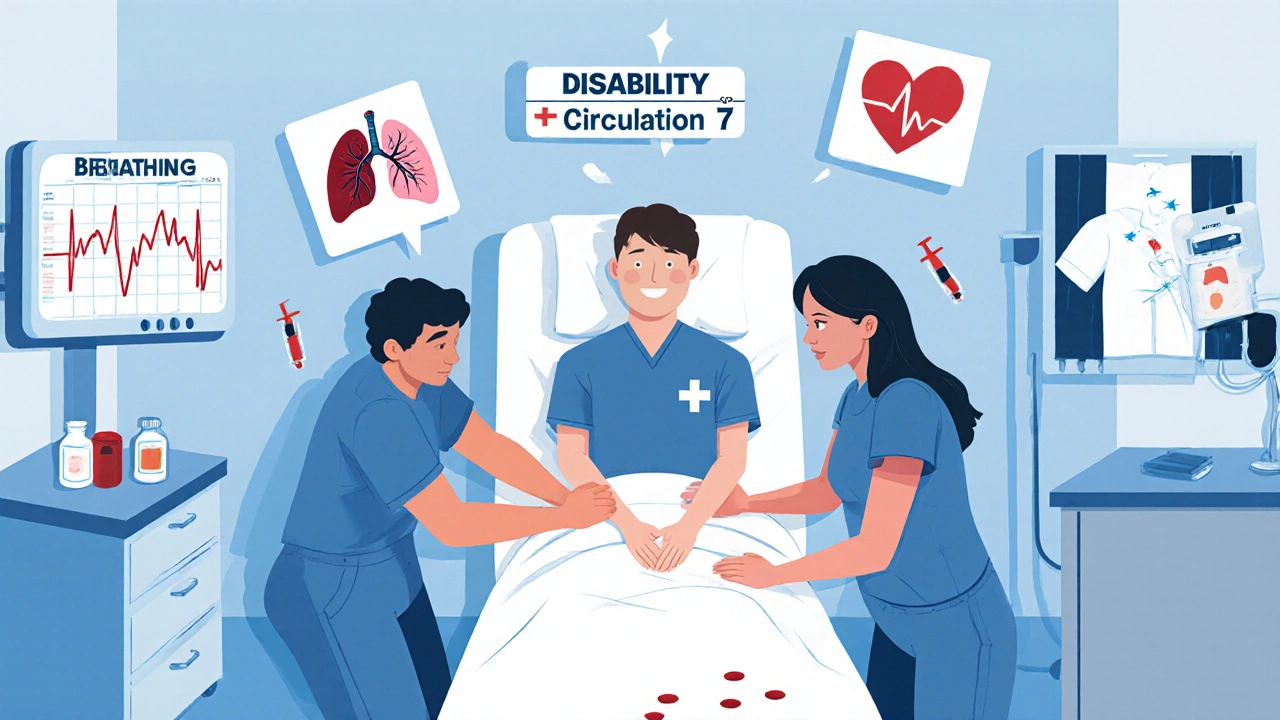
Benzodiazepine Overdose: Emergency Treatment and Monitoring
Benzodiazepine overdose causes dangerous respiratory depression, especially when mixed with opioids or alcohol. Emergency treatment focuses on airway support, oxygen, and monitoring-not flumazenil. Most patients recover with time and careful observation.
November 28 2025