
Calcium Supplements: What They Do, Who Needs Them, and How to Use Them Right
When you think about calcium supplements, oral forms of calcium used to support bone density and prevent deficiencies. Also known as calcium pills, they’re one of the most common supplements people take—but not everyone benefits, and some can even be harmed by them. Most adults need about 1,000 to 1,200 milligrams of calcium a day. You can get it from dairy, leafy greens, or fortified foods. But if your diet falls short, supplements step in. The problem? Many people pop them without knowing if they actually need them—or how to take them safely.
vitamin D, a nutrient that helps your body absorb calcium from the gut is the silent partner here. Without enough vitamin D, calcium supplements barely make it into your bones. They just sit in your gut or get flushed out. That’s why most calcium supplements include vitamin D. But even then, timing matters. Taking calcium with food improves absorption, especially for carbonate forms. Citrate forms work fine on an empty stomach, which is helpful if you’re on acid-reducing meds.
Then there’s magnesium supplements, a mineral that works alongside calcium to regulate muscle and nerve function. Too much calcium without enough magnesium can cause muscle cramps, irregular heartbeat, or even interfere with osteoporosis drugs like Fosamax. In fact, magnesium can block those medications if taken at the same time—just like calcium can interfere with thyroid pills or antibiotics. That’s why spacing them out by two hours is a simple fix that makes a big difference.
Who should take calcium supplements? Postmenopausal women, older adults, people with lactose intolerance, vegans, or those on long-term steroids. But if you’re young, healthy, and eat dairy or kale regularly, you probably don’t need them. And if you’ve had kidney stones before, calcium supplements might increase your risk—not dietary calcium, but the pills. Studies show dietary calcium lowers stone risk, while supplements can raise it. That’s a key distinction most people miss.
And don’t assume more is better. Taking over 2,000 mg a day from all sources—food and pills combined—might raise your risk of heart issues. It’s not about filling a quota. It’s about matching your intake to your body’s actual needs. Blood tests can help, but most doctors won’t order them unless you’re at high risk. So ask: Do I have a reason to take this? Am I getting enough from food? Am I taking it with vitamin D and away from other meds?
There’s also osteoporosis, a condition where bones become weak and brittle, often due to long-term calcium or vitamin D deficiency. Calcium supplements are often prescribed for it—but they’re not a magic fix. They work best when paired with weight-bearing exercise, quitting smoking, and avoiding excessive alcohol. If you’re on a bisphosphonate, timing your calcium right is non-negotiable. Take the drug first thing in the morning on an empty stomach, wait 30 minutes, then eat. Wait another two hours before taking calcium or magnesium.
What you’ll find below isn’t a list of top brands or dosing charts. It’s real-world advice from people who’ve been there: how calcium interacts with other meds, why some supplements don’t work, what to do if you’re on bone drugs, and how to avoid the hidden risks. These aren’t theory pieces. They’re practical guides written for someone who just wants to stay healthy without overdoing it—or making a mistake that could hurt them.
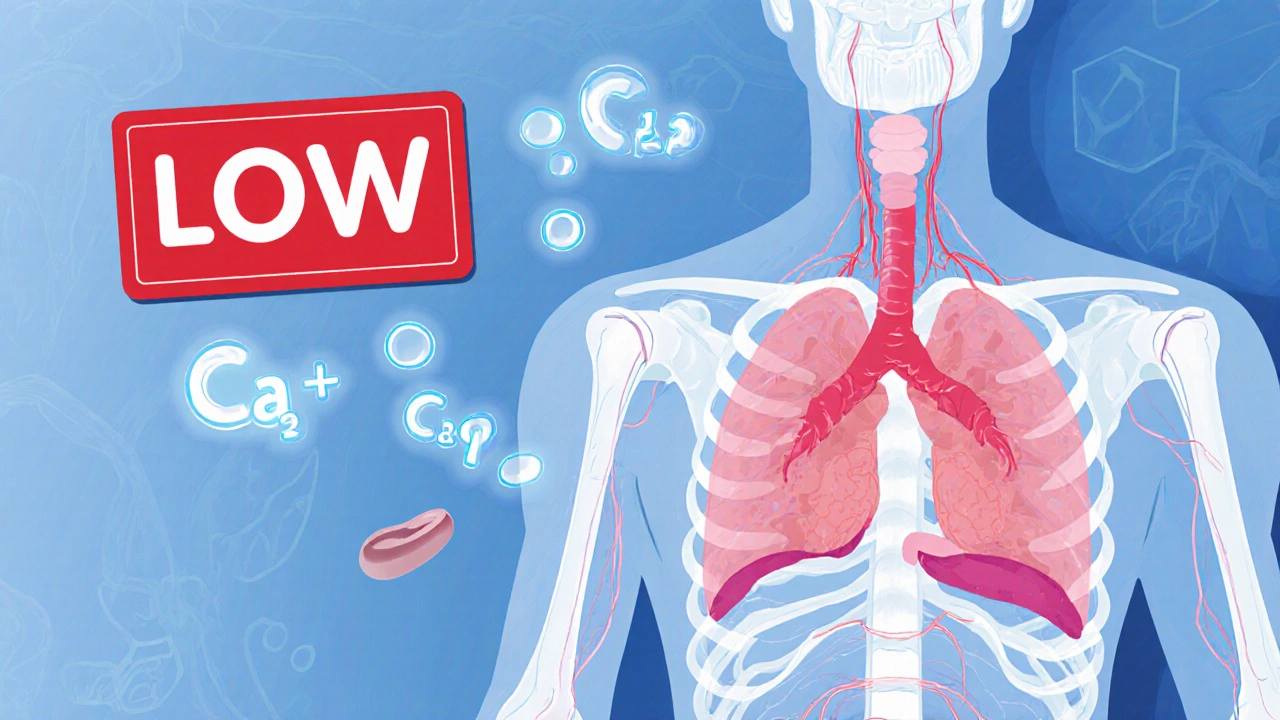
Hypoparathyroidism: How to Manage Low Calcium and Vitamin D Effectively
Learn how to manage hypoparathyroidism with calcium and vitamin D supplements, avoid common pitfalls, and recognize when to seek advanced treatment. Practical advice for stable long-term control.
November 29 2025