
Acetaminophen for Kids: Safe Dosing, Risks, and What Parents Need to Know
When your child has a fever or aches from a cold, acetaminophen, a common over-the-counter pain and fever reliever used in children. Also known as paracetamol, it's one of the first medicines most parents reach for—but it’s also one of the most dangerous if used wrong. Unlike ibuprofen, acetaminophen doesn’t reduce swelling, but it’s gentle on the stomach and safe for babies as young as two months when dosed correctly. Yet every year, accidental overdoses send thousands of kids to the ER—not because parents are careless, but because they don’t know how much is too much.
Many parents think "more drops = faster relief," but the truth is, pediatric acetaminophen, a liquid form specifically made for children with precise concentration levels comes in different strengths. Older formulations had 160 mg per 5 mL, but now many are 160 mg per 5 mL or 80 mg per 1 mL. Mixing them up by accident is a leading cause of overdose. Even more confusing: some products combine acetaminophen with cough or cold meds. That means your child might get two doses of acetaminophen without you realizing it. drug dosing for kids, the exact amount of medicine based on weight, not age is critical. A 20-pound toddler needs less than half what a 50-pound child needs. Always check the label, use the syringe that comes with the bottle, and never guess.
Overdose symptoms don’t show up right away. The first 24 hours might look like a normal illness—nausea, tiredness, loss of appetite. But by day two or three, liver damage can start silently. If your child takes more than the maximum daily dose—even by a little—get help immediately. There’s no home remedy. Time matters. The antidote, N-acetylcysteine, works best if given within eight hours. And yes, it’s possible to overdose by giving the right dose too often. Don’t give acetaminophen every four hours for five days straight just because the fever won’t break. Talk to your doctor if symptoms last more than three days.
Also, watch out for other products. Some children’s cold syrups, allergy meds, and even teething gels contain acetaminophen. If you’re using more than one product, you’re stacking doses. Always read the "Active Ingredients" section. And never use adult tablets for kids, even if you crush them. The wrong dose can be fatal. acetaminophen side effects, rare but serious liver injury from misuse are preventable with just a little attention.
Keep a simple log: write down what you gave, when, and why. That way, no one gives a second dose by accident. Use a dosing chart based on weight, not age. And if you’re ever unsure, call your pediatrician or poison control—don’t wait for symptoms to appear. The goal isn’t to eliminate fever at all costs. It’s to keep your child comfortable while their body fights off the illness. Acetaminophen can help with that—but only if used right.
Below, you’ll find real-world advice from trusted medical sources on how to use acetaminophen safely, what to avoid, and how to spot trouble before it becomes an emergency.
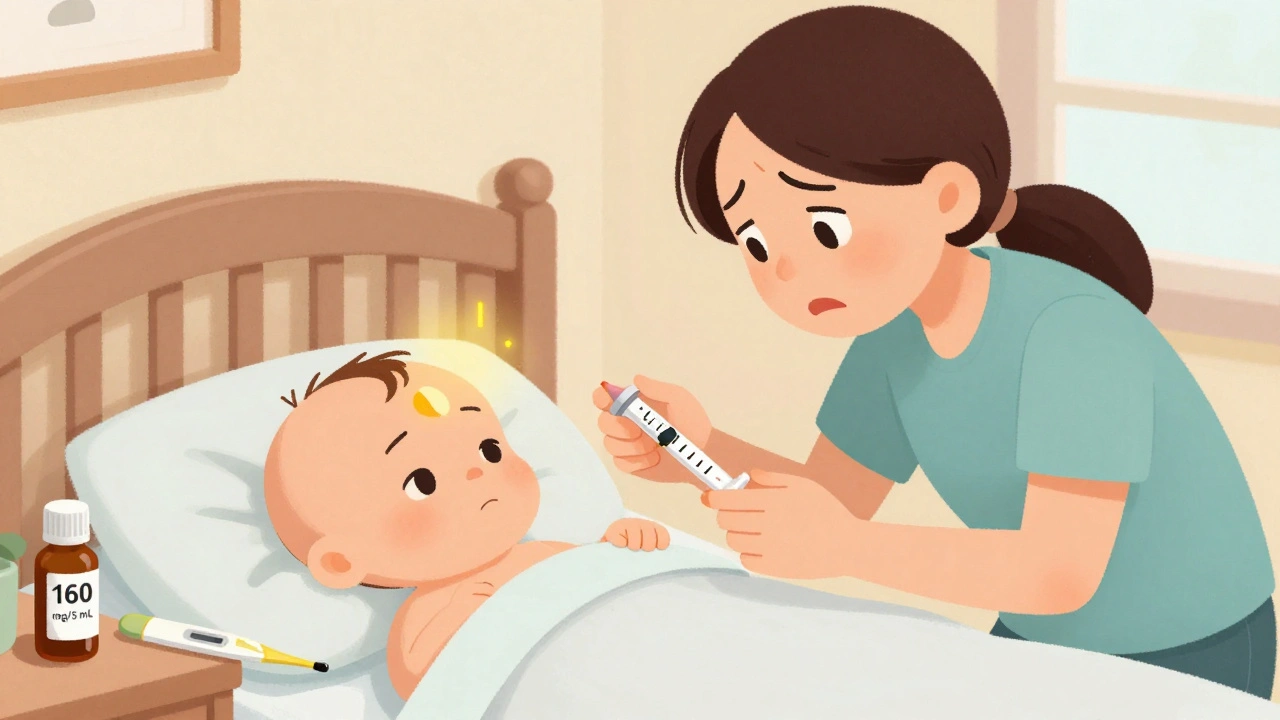
Fever Medication for Kids: Acetaminophen vs. Ibuprofen Safety Guide
Learn the key differences between acetaminophen and ibuprofen for kids under two, including dosing, safety, effectiveness, and when to call a doctor. Make smarter choices for fever and pain relief.
December 2 2025