Medication Timing & Risk Analyzer
Select a medication type below to see how timing criticality affects the outcome and what the optimal window is according to chronotherapy science.
Analysis Details
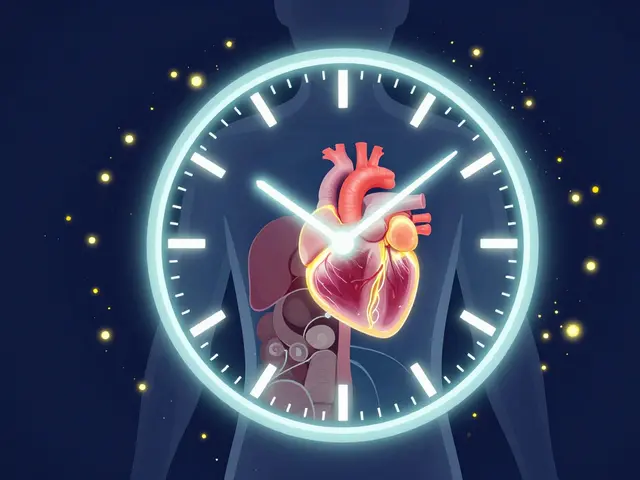
Ever wonder why some pills must be taken on an empty stomach, while others are strictly bedtime-only? It's not just about avoiding a stomach ache. The clock is actually a hidden ingredient in how your body processes medicine. If you take a drug when your body is primed for it, it works better; if you miss the window, you might end up with more side effects and fewer results. This practice, known as chronotherapy is the strategic scheduling of medication doses to align with the body's natural circadian rhythms, and it's changing how we handle everything from high blood pressure to cholesterol.
The Science of Why Timing Matters
Your body isn't a static machine; it's more like a tide that ebbs and flows every 24 hours. This internal cycle, called the circadian rhythm, controls everything from when you feel sleepy to how your liver processes chemicals. Research shows that hepatic enzyme activity-the stuff that breaks down your meds-can vary by as much as 50% throughout a single day. If you take a medication when those enzymes are sluggish, the drug stays in your system longer, which can spike the risk of toxicity or unpleasant side effects.
Think of it like traffic on a highway. If you drive during rush hour, you're more likely to hit a snag. Similarly, if you administer a drug during a physiological "rush hour," the body may struggle to absorb it or clear it out, leading to a higher concentration of the drug in your bloodstream than intended. By aligning the dose with the body's natural peaks and valleys, we can often lower the dose while getting better results.
Not All Medications Are Equal
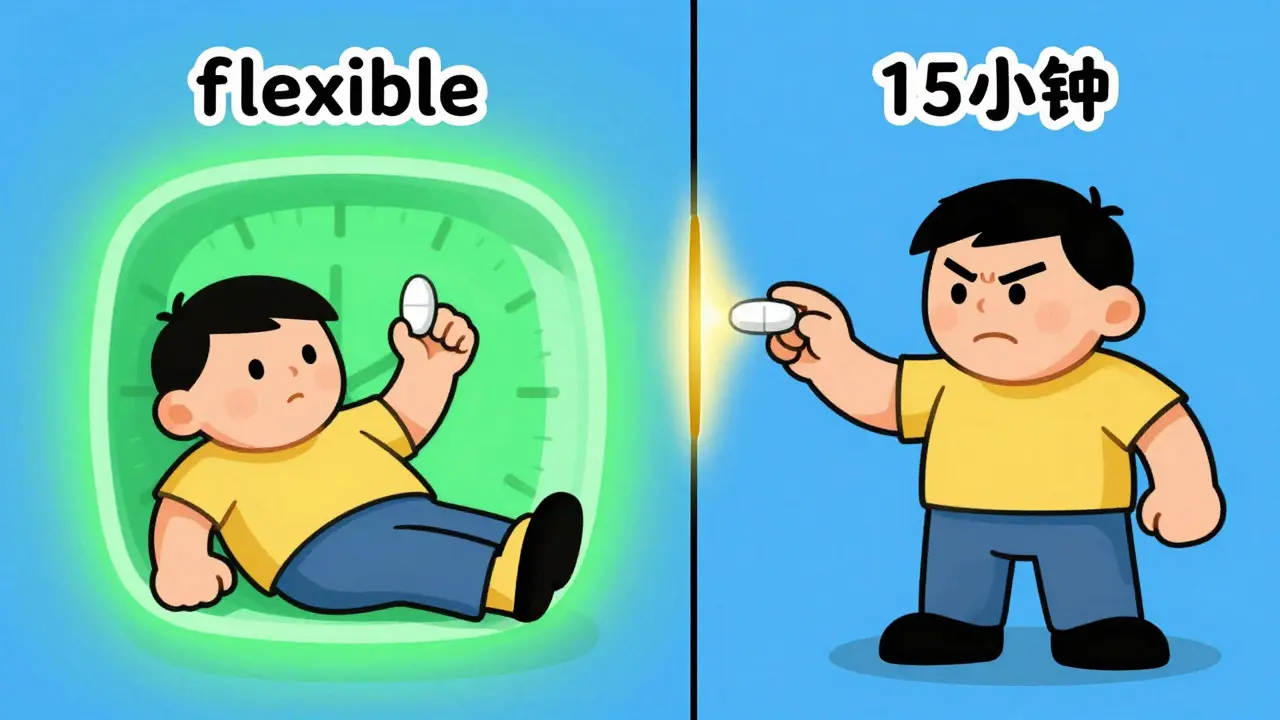
One of the biggest misconceptions is that "once a day" means "whenever I remember." In reality, drugs have different levels of chronotherapy criticality. Some medications are flexible, while others are incredibly sensitive to the clock.
For example, someone taking hydrochlorothiazide for stable hypertension can often miss their dose by several hours without a major clinical crash. However, if you're managing severe cancer-related pain with morphine, a window of just 10 to 15 minutes can be the difference between manageable pain and a crisis. When the timing is off for high-alert drugs, the side effects don't just increase-the treatment can actually fail.
| Medication Class | Timing Sensitivity | Potential Impact of Poor Timing | Optimal Window |
|---|---|---|---|
| Statins (Cholesterol) | Moderate | 15-20% less LDL reduction | Evening/Night |
| Anticoagulants (Blood Thinners) | High | Increased bleeding risk by up to 37% | Strict Daily Schedule |
| Insulin (Diabetes) | Very High | Hypoglycemia in 22% of mistimed cases | Precise Meal/Clock Sync |
| Chemotherapy Agents | High | 15-20% reduction in efficacy | Within 30 minutes |
High-Stakes Timing: Where the Risk Peaks
When we talk about side effect management, certain categories demand a strict stopwatch. Anticoagulants are a prime example. Because they affect how your blood clots, a timing error isn't just a nuisance-it can lead to internal bleeding or dangerous clots. The same goes for insulin. If the timing of your dose doesn't match the timing of your glucose intake, you're looking at a high risk of hypoglycemia, which can be life-threatening if not caught quickly.
Even the route of administration changes the risk. If you're in a hospital receiving intravenous (IV) meds, the risk of timing errors is significantly higher-between 48% and 53%-compared to oral medications. This is often because hospital environments are chaotic. A study in JAMA Internal Medicine found that just five interruptions during a nurse's medication round can make a procedural error almost certain, jumping the risk from 39% to 61%. This proves that timing isn't just about the biological clock; it's about the environment in which the drug is given.
Real-World Wins with Better Scheduling
The shift toward timing-optimized dosing is already paying off in specialized care. In cardiology, for instance, taking ACE inhibitors at bedtime has been shown to reduce cardiovascular events by about 29%. Why? Because the heart and blood pressure systems have their own nocturnal rhythms that these drugs interact with more effectively during sleep.
We're seeing similar wins in post-op care. Nurses in ICU settings have reported that using strict chronotherapy protocols for beta-blockers reduced the occurrence of post-operative atrial fibrillation by nearly 40%. It's a powerful reminder that the drug itself is only half the battle; the when is just as important as the what.
Why Most People Get It Wrong
If timing is so critical, why aren't we all doing it? The biggest hurdle is a gap in health literacy. A survey of 1,200 patients found that 68% of people on timing-sensitive meds failed to stay consistent. For many, the issue isn't laziness; it's a conflict between their work schedule and their medication window. Over half of timing errors in home settings happen because a job or a commute clashes with a narrow 15-minute dosing window.
There's also the "forgiving" nature of some drugs. Because some meds (like certain blood pressure pills) don't cause an immediate crisis if taken two hours late, people assume all their meds are that flexible. This creates a dangerous habit where a patient might accidentally apply the same loose logic to a high-risk drug like a blood thinner.
Tips for Mastering Your Medication Clock
Getting your timing right doesn't require a medical degree, but it does require a system. Since our brains are prone to forgetting, relying on memory is a losing game. Here are a few ways to tighten up your schedule:
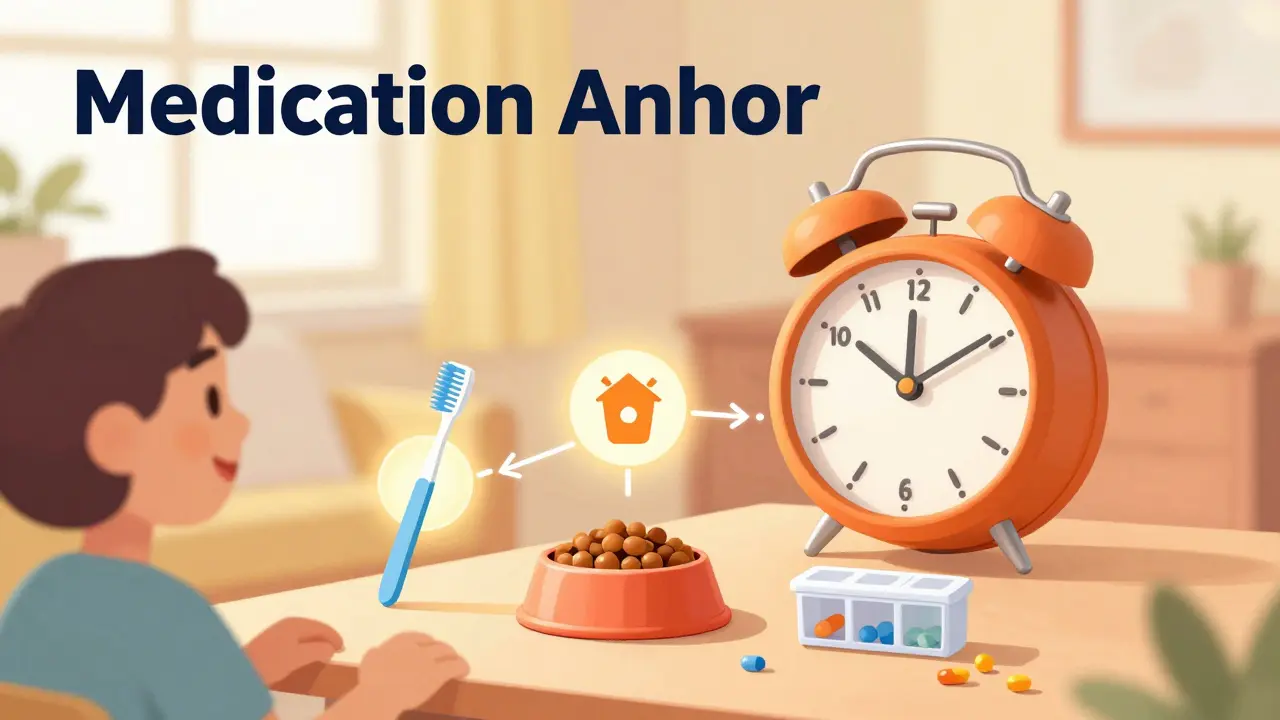
- Use a "Medication Anchor": Tie your dose to an unchangeable daily event, like brushing your teeth or feeding a pet. This creates a mental trigger.
- Set Digital Alerts: Don't just set one alarm; set a "warning" alarm 15 minutes before the dose and a "critical" alarm at the exact time.
- The Pill-Box Audit: Use a weekly organizer to see at a glance if a dose was missed. If you see a gap, you'll know immediately that your timing is off.
- Ask Your Pharmacist for the "Why": Instead of just reading the label, ask: "Does this work better at night?" or "What happens if I'm two hours late?" Knowing the risk makes you more likely to stick to the schedule.
What happens if I take my medication a few hours late?
It depends entirely on the drug's "timing criticality." For some, like certain diuretics, a few hours won't matter. For others, like insulin or certain chemotherapy agents, a delay can significantly reduce the drug's effectiveness or cause a dangerous drop in blood sugar. Always check with your doctor to see where your specific medication falls on the criticality scale.
Why are some cholesterol meds better at night?
Statins are often more effective in the evening because your liver produces the most cholesterol while you sleep. By taking the medication at night, you align the peak drug concentration with the peak of cholesterol synthesis, often resulting in a 15-20% greater reduction in LDL (bad cholesterol).
Can changing the time I take my meds actually reduce side effects?
Yes. Because your body's metabolism and enzyme activity fluctuate throughout the day, taking a drug at a time when your body is better equipped to process it can lower the concentration of toxic by-products and reduce adverse reactions.
Is chronotherapy the same as just following a schedule?
Not exactly. Following a schedule is about consistency. Chronotherapy is about strategic timing. It's the difference between taking a pill every 24 hours at any time and taking it specifically at 9 PM because that's when your biological clock makes the drug most effective.
How do I know if my medication has a narrow timing window?
High-risk medications like anticoagulants, insulin, and certain potent painkillers usually have narrow windows (sometimes as tight as 15-30 minutes). If your medication is listed as "critical" or "high-alert" by your provider, it likely requires strict timing.