
Vitamin D: What It Does, Why You Need It, and What the Science Says
When your body gets vitamin D, a fat-soluble nutrient that acts more like a hormone than a traditional vitamin. Also known as calciferol, it helps your body absorb calcium, supports muscle function, and tells your immune cells when to act. Most people don’t get enough—especially in winter, if they work indoors, or have darker skin. It’s not just about sunlight anymore; what you eat, where you live, and even your age all change how much you actually need.
Vitamin D deficiency, a widespread but often overlooked condition. Also known as hypovitaminosis D, it’s linked to fatigue, muscle weakness, and even mood changes. Studies show over 40% of adults in the U.S. have levels below what’s considered optimal. And it’s not just about rickets in kids—low vitamin D is tied to higher risks of infections, autoimmune issues, and slower healing. Your bones rely on it, yes—but so does every cell in your body. You can’t fix it with a multivitamin alone; you need the right dose, the right form, and consistency.
Vitamin D supplements, the most common way people try to fix low levels. Also known as cholecalciferol (D3) or ergocalciferol (D2), they’re not all created equal—D3 works better and lasts longer in your system. But taking more isn’t always better. Too much can raise calcium too high, hurting your kidneys. And supplements don’t replace sun exposure or food—they work best when used together. Foods like fatty fish, egg yolks, and fortified milk help, but most people still fall short without a daily dose.
Bone health, the most well-known role of vitamin D. Also known as skeletal integrity, it’s why doctors check your levels if you’re at risk for fractures or osteoporosis. Without enough vitamin D, your body can’t build or repair bone properly—even if you’re taking calcium. But it’s not just about aging. Kids, pregnant women, and people on certain meds like steroids also need to watch their levels. And here’s the catch: if you’re taking osteoporosis drugs like Fosamax, timing matters. Magnesium or other supplements can block absorption if taken too close together.
Immune system, the hidden powerhouse vitamin D supports. Also known as innate immunity, it’s why some studies link low levels to more frequent colds, flu, and even longer recovery times. Your immune cells have vitamin D receptors—they use it like a signal to turn on defenses. That’s why during flu season or after surgery, your doctor might check your levels. It’s not magic, but it’s one of the few nutrients that actually helps your body fight off invaders on a cellular level.
What you’ll find below isn’t a list of myths or supplement ads. It’s real, practical info from posts that actually talk about how vitamin D connects to other things: drug interactions, supplement safety, how it affects chronic conditions, and what labs really show. No fluff. Just what works, what doesn’t, and what you need to know to make smart choices.
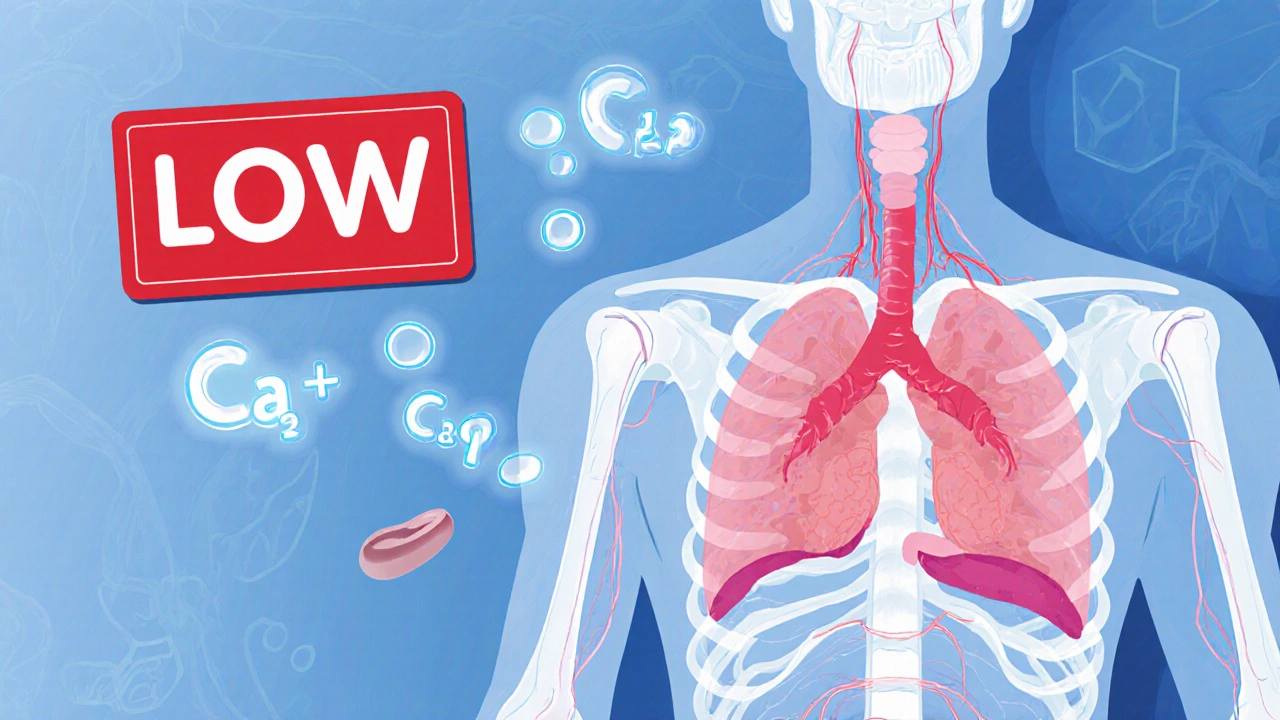
Hypoparathyroidism: How to Manage Low Calcium and Vitamin D Effectively
Learn how to manage hypoparathyroidism with calcium and vitamin D supplements, avoid common pitfalls, and recognize when to seek advanced treatment. Practical advice for stable long-term control.
November 29 2025