
St. John's wort: What It Is, How It Works, and What You Need to Know
When people look for natural ways to manage low mood, St. John's wort, a flowering plant used for centuries in Europe to treat mild depression and anxiety. Also known as Hypericum perforatum, it’s one of the most studied herbal supplements in the world—and one of the most dangerous if taken with other meds. Unlike prescription antidepressants, it doesn’t require a doctor’s script, but that doesn’t mean it’s safe to use without guidance.
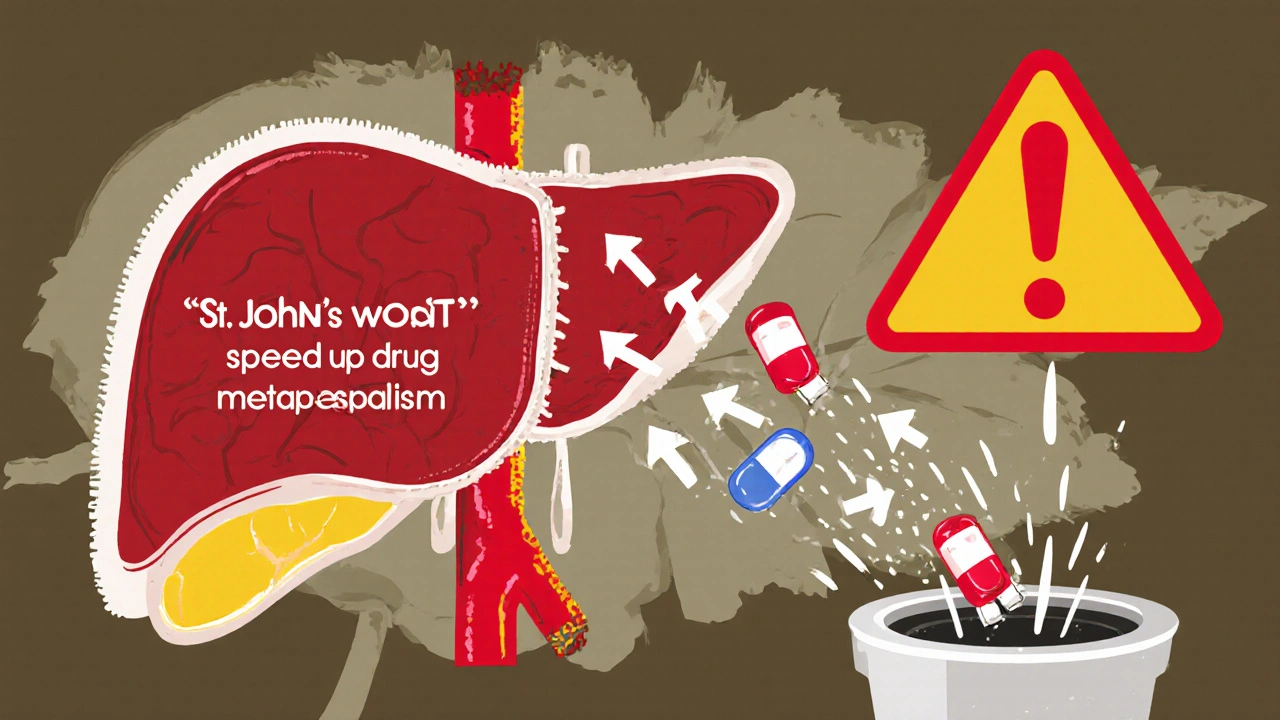
St. John's wort works by affecting brain chemicals like serotonin, dopamine, and norepinephrine—similar to how SSRIs work. But here’s the catch: it doesn’t just affect your mood. It also turns on enzymes in your liver that break down other drugs faster. That means if you’re on birth control, blood thinners, HIV meds, or even some heart pills, St. John’s wort can make them useless—or worse, cause dangerous side effects. A 2020 study in the Journal of Clinical Psychiatry found that over 30% of people using it with antidepressants had serotonin syndrome symptoms. That’s not rare. That’s predictable.
It’s not just about pills. St. John’s wort interacts with alcohol, a substance many people use casually but that can amplify nervous system effects, and even sunlight, because it can make your skin more sensitive to UV rays, leading to burns or rashes. People often think natural equals harmless. But if you’re taking anything else—prescription, over-the-counter, or even a daily vitamin—St. John’s wort could be hiding in plain sight as a risk.
Some studies show it helps with mild to moderate depression better than placebo, and sometimes as well as low-dose SSRIs. But results vary. One person’s relief is another’s headache. And because it’s sold as a supplement, there’s no standard dose. One bottle might have 300 mg, another 900 mg, and neither is regulated for purity. That’s why tracking what you take, when, and how you feel matters more than ever.
You won’t find St. John’s wort in the same category as metformin or simvastatin, but it’s just as important to understand if you’re managing your health. It’s not a magic herb. It’s a powerful substance with real consequences. Whether you’re considering it for mood, sleep, or anxiety, you need to know how it plays with the rest of your routine. The posts below cover exactly that: how it affects your body, what to watch out for, and how to talk to your pharmacist before you start.
Herbal Supplements and Drug Interactions: What You Need to Know for Safety
Herbal supplements can dangerously interact with prescription drugs, reducing effectiveness or causing toxicity. St. John’s wort, ginkgo, garlic, and danshen pose serious risks. Learn which herbs to avoid and how to talk to your doctor.
November 27 2025