
Safe Medication Use: How to Avoid Errors, Interactions, and Side Effects
When you take safe medication use, the practice of taking drugs correctly to avoid harm, errors, or dangerous reactions. Also known as medication safety, it’s not just about following the label—it’s about understanding how your pills work with your body, your other meds, and even your daily habits. Most people think they’re doing fine if they don’t miss doses. But the real risks? Hidden. A magnesium supplement taken at the wrong time can cut your osteoporosis drug’s effect by 60%. A generic switch might slip under your radar until your blood pressure spikes. A pharmacy that doesn’t know your full list could miss a deadly combo with your blood thinner or diabetes pill.
Drug interactions, when two or more medications affect each other’s performance or safety. Also known as medication interactions, they don’t always show up as a warning—sometimes they’re silent, slow, and sneaky. That’s why using one pharmacy, a single pharmacy that tracks all your prescriptions to catch overlaps and conflicts. Also known as pharmacy coordination, it’s a simple move that cuts risk by half for people on five or more meds. Pharmacists aren’t just filling bottles—they’re your last line of defense. They see everything: your antibiotics, your blood pressure pills, your CBD oil, your sleep aid. If you spread your prescriptions across three stores, you’re flying blind.
And then there’s the medication log, a simple record of what you take, when, and how you feel. Also known as pill diary, it’s not for doctors—it’s for you. Write down that 8 p.m. dose of ibuprofen that made you dizzy. Note how your mood dropped after switching to a new generic antidepressant. Track your blood sugar after starting metformin. That log isn’t busywork—it’s your early warning system. It’s how you catch an overdose before it happens. It’s how you prove to your doctor that your new thyroid med isn’t working, not because you’re failing, but because the generic didn’t behave like the brand.
Safe medication use isn’t about being perfect. It’s about being aware. It’s knowing that your nasal spray for allergies isn’t harmless just because it’s topical—long-term use can thin your skin. It’s realizing that what you think is a penicillin allergy might just be a stomach upset, and getting tested could open up better, cheaper antibiotics. It’s understanding that liquid antibiotics lose strength if left on the counter, and that storing them right can mean the difference between healing and a relapse.
You don’t need to be a pharmacist to use your meds safely. You just need to ask the right questions. What’s this for? What happens if I miss a dose? What else am I taking that might clash? Is this the same as what I had before? And most importantly—do I have one pharmacy that knows all of this?
Below, you’ll find real, practical guides on exactly how to do this—step by step. From tracking your pills to avoiding dangerous combos, from traveling with controlled meds to knowing when a generic just isn’t cutting it. No fluff. No theory. Just what works.
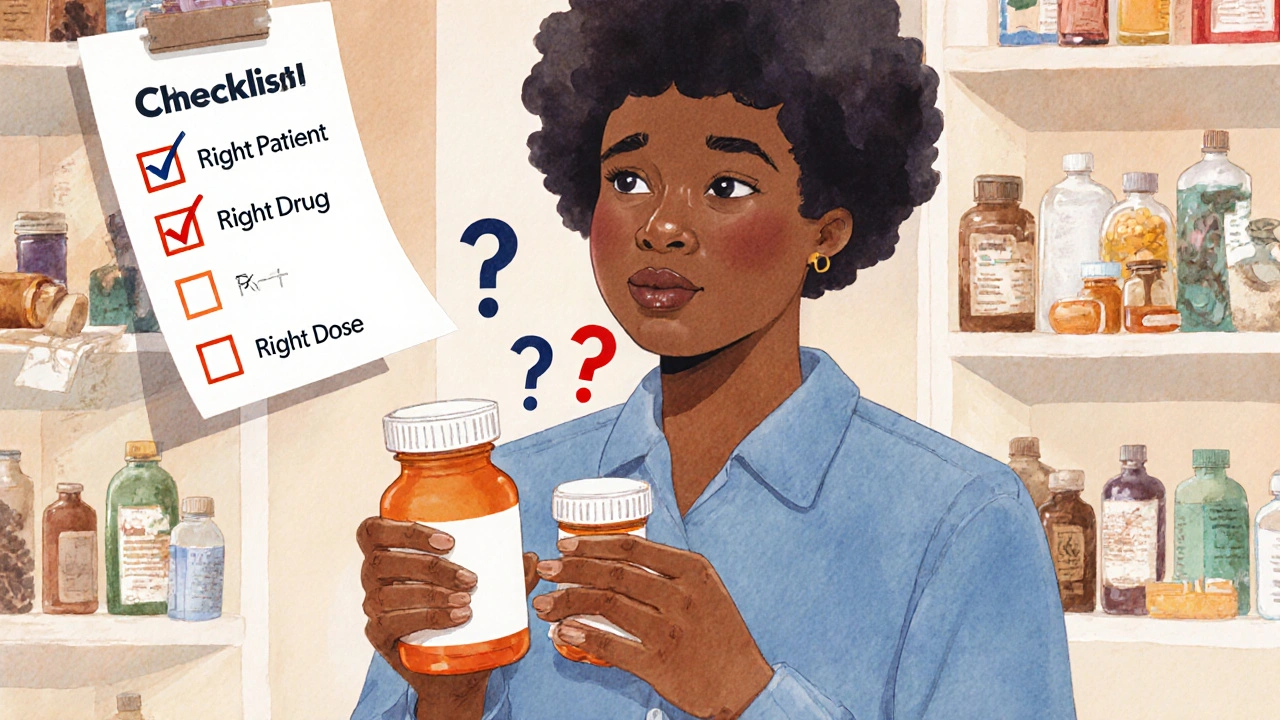
Medication Safety Basics: How to Use Prescription Drugs Responsibly
Learn how to use prescription drugs safely with practical steps to avoid errors, reduce side effects, and prevent dangerous interactions. Essential tips for patients managing multiple medications.
November 12 2025