
Probiotics: What They Are, How They Work, and What You Need to Know
When you hear probiotics, live microorganisms that provide health benefits when consumed, especially for the digestive system. Also known as beneficial bacteria, they’re the good guys living in your gut that help break down food, fight off bad germs, and keep your immune system on track. Most people think probiotics are just for upset stomachs, but they do way more than that. Your gut is home to trillions of bacteria — some helpful, some harmful. Probiotics help tip the balance toward the good side, especially after antibiotics, illness, or a junk-food-heavy diet.
They’re not all the same. Different strains like Lactobacillus, a common type of probiotic found in yogurt and supplements that supports digestion and vaginal health and Bifidobacterium, a gut-dwelling bacterium that helps with bowel regularity and reduces inflammation do different jobs. One strain might help with diarrhea, another with bloating, and another with immune response. That’s why you can’t just pick any probiotic and expect it to fix everything. The right one for you depends on what you’re trying to fix.
Probiotics don’t work like pills that disappear after one dose. They need to survive your stomach acid, reach your intestines alive, and stick around long enough to make a difference. That’s why some products fail — they’re poorly made, stored wrong, or expire too fast. Look for ones with a clear expiration date, refrigeration instructions, and specific strain names listed. And remember: food sources like yogurt, kefir, sauerkraut, and kimchi often deliver probiotics more reliably than pills.
It’s not just about digestion either. Research shows probiotics may help with skin conditions like eczema, reduce allergy symptoms, and even influence mood through the gut-brain connection. That’s why you’ll see them mentioned in posts about antibiotic storage, drug interactions, and even immune health. But they’re not magic. They won’t fix a bad diet or replace medical treatment. Think of them as support staff — they help your body do what it’s already trying to do.
You’ll find posts here that dig into how probiotics interact with other meds, why timing matters, and when they’re worth trying. Some people swear by them. Others see no change. The truth? It depends on your body, your habits, and which strains you’re actually taking. There’s no one-size-fits-all answer — but with the right info, you can cut through the hype and find what works for you.
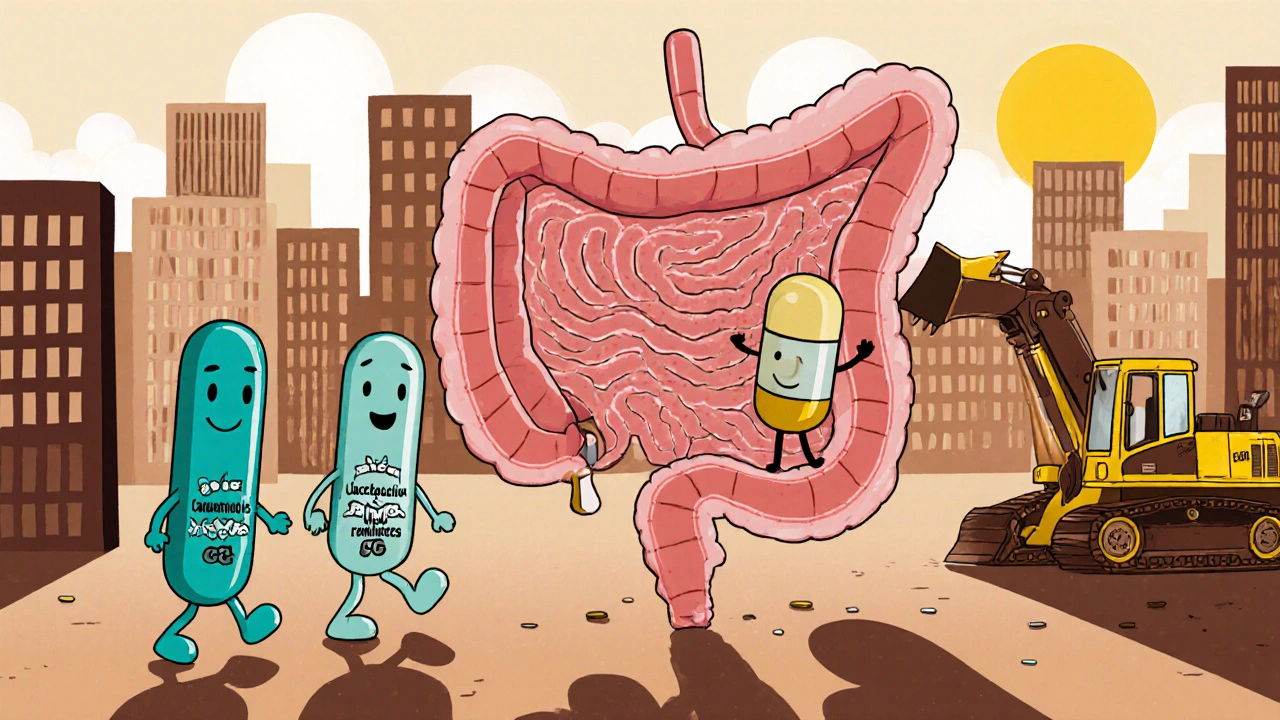
Probiotics and Gut Health: What the Science Says About Digestive Supplements
Probiotics can help with antibiotic-associated diarrhea and infectious diarrhea in children, but not all strains work for every condition. Learn what the science says, which strains matter, and how to choose a reliable supplement.
November 24 2025