
Pill Management: Simple Ways to Track, Store, and Take Your Medications Safely
When you’re juggling multiple prescriptions, pill management, the practice of organizing, tracking, and safely using medications to avoid errors and interactions. Also known as medication adherence, it’s not about being perfect—it’s about staying safe. A missed dose, a wrong time, or a bad interaction can turn a simple treatment into a hospital visit. You don’t need fancy apps or complicated systems. You need clarity, consistency, and a few smart habits.
Good pill management, the practice of organizing, tracking, and safely using medications to avoid errors and interactions. Also known as medication adherence, it’s not about being perfect—it’s about staying safe. starts with knowing what you’re taking and why. Many people don’t realize that drug interactions, harmful reactions between two or more medications that can reduce effectiveness or cause serious side effects. Also known as medication conflicts, it’s a leading cause of preventable hospitalizations. For example, taking magnesium with osteoporosis drugs like Fosamax can slash their effectiveness by up to 60%. Or storing liquid antibiotics wrong—like leaving amoxicillin at room temperature—can make them useless in days. These aren’t rare mistakes. They happen every day because no one taught people how to manage pills properly.
That’s where medication log, a simple record of what drugs you take, when, and how you feel, used to catch problems early and avoid overdose. Also known as pill diary, it’s a low-tech tool with high rewards comes in. Writing down your doses—even on a sticky note or phone note—helps you spot patterns. Did your dizziness start after adding a new pill? Did your blood pressure drop after switching generics? A log answers those questions before your doctor even asks. And if you use one pharmacy for all your scripts, they’ll catch duplicates or dangerous combos before you even walk out the door.
Storage matters too. Not all pills belong in the bathroom cabinet. Heat, moisture, and light can wreck your meds. Liquid antibiotics, insulin, and some thyroid drugs need refrigeration. Others? Keep them cool and dry. A drawer in your bedroom is often better than the medicine cabinet. And never keep old pills “just in case.” Expired or mismatched meds are a hazard, not a backup.
Pill management isn’t about being a perfect patient. It’s about being a smart one. It’s knowing that your metformin works better when you take it with food, that your Rhinocort spray needs daily use to help, and that your penicillin allergy might not even be real. It’s about asking your pharmacist: "Is this the right one?" and "Could this mess with my other meds?"
Below, you’ll find real, practical guides on how to track your pills, store them right, avoid dangerous interactions, and spot when something’s off. No fluff. No theory. Just what works—for your schedule, your meds, and your life.
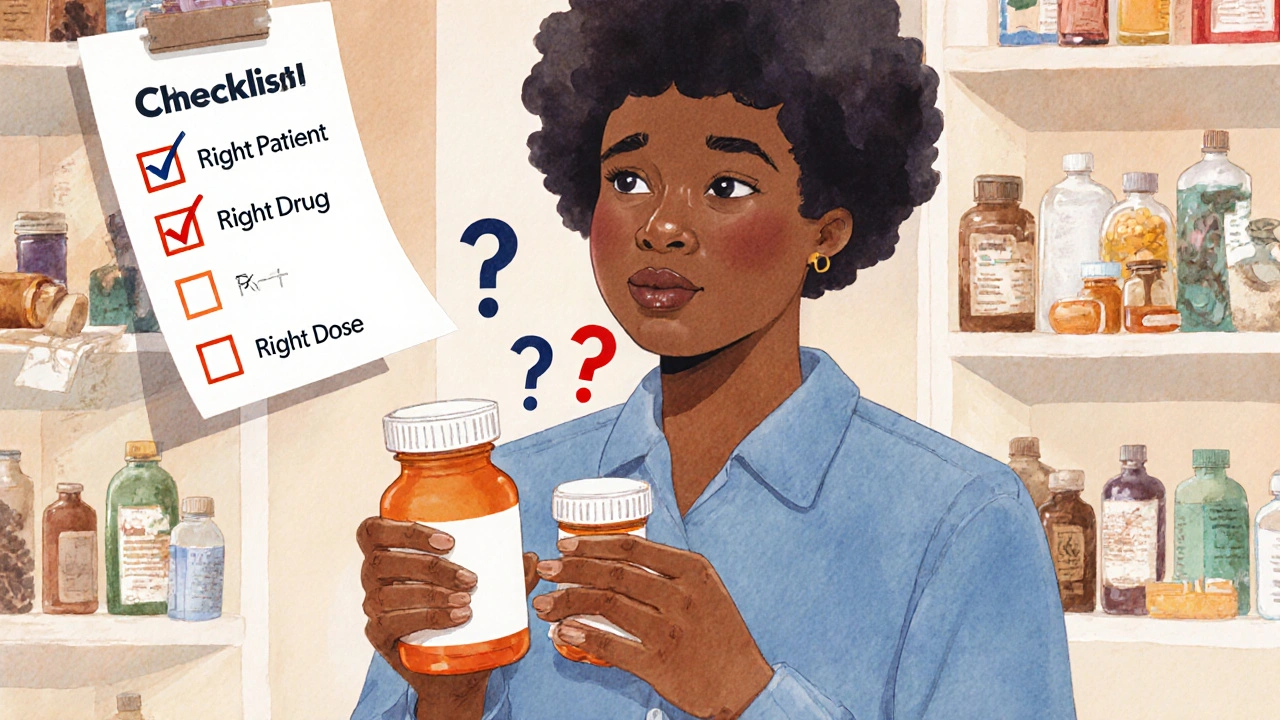
Medication Safety Basics: How to Use Prescription Drugs Responsibly
Learn how to use prescription drugs safely with practical steps to avoid errors, reduce side effects, and prevent dangerous interactions. Essential tips for patients managing multiple medications.
November 12 2025