
Peanut Allergy Prevention: What Works, What Doesn't, and How to Stay Safe
When it comes to peanut allergy prevention, the strategy for reducing peanut allergies in children has completely flipped in the last 15 years. Also known as early peanut introduction, this approach is now backed by major health organizations worldwide—and it’s not what you might think. Back in the 90s, doctors told parents to avoid giving peanuts to babies altogether. That advice made sense at the time: peanuts were seen as dangerous, and allergies were rising. But by the 2010s, studies showed the opposite was true. Kids who avoided peanuts were more likely to develop allergies. The landmark LEAP study (Learning Early About Peanut Allergy) proved that introducing peanut products to high-risk babies between 4 and 11 months cut their risk of developing an allergy by up to 80%.
This shift didn’t just change guidelines—it changed how families think about food. peanut allergy in children, a condition where the immune system overreacts to peanut proteins. Also known as food allergy safety, it’s now managed through early exposure, not avoidance. The key isn’t waiting until the child is older. It’s starting early, safely, and consistently. For babies with severe eczema or egg allergy, doctors now recommend testing before introducing peanuts. For others, peanut butter mixed into purees or peanut puffs (like Bamba) can be introduced around 6 months, as long as the child is developmentally ready to swallow solids. The goal? Regular exposure—two to three times a week—to train the immune system to tolerate peanuts, not fight them.
But prevention isn’t one-size-fits-all. early peanut introduction, a clinical strategy that involves controlled exposure to peanut proteins in infancy. Also known as allergy prevention guidelines, it’s part of a broader shift in how we handle food allergies—focusing on immune training rather than isolation. Parents shouldn’t give whole peanuts or chunky peanut butter to babies (choking risk). Instead, use smooth peanut butter thinned with water or breast milk, or FDA-approved peanut puff snacks. And if your child has a known severe allergy, or a family history of multiple food allergies, talk to an allergist first. Testing might involve a skin prick or blood test before any exposure.
What’s missing from most advice? The long-term view. Avoiding peanuts doesn’t protect you—it increases risk. And once a child is safely introduced, keeping peanuts in the diet matters. Stopping after a few months can undo the benefit. This isn’t a one-time test. It’s a habit. The same logic applies to other allergens like eggs and milk, though peanut remains the most studied. Today’s parents aren’t just reacting to allergies—they’re preventing them. And that’s a big win.
Below, you’ll find real-world insights from trusted medical sources on how to spot early signs of allergy, when to skip peanut introduction, and what to do if a reaction happens. No hype. No fear. Just what the science says—and how to use it.
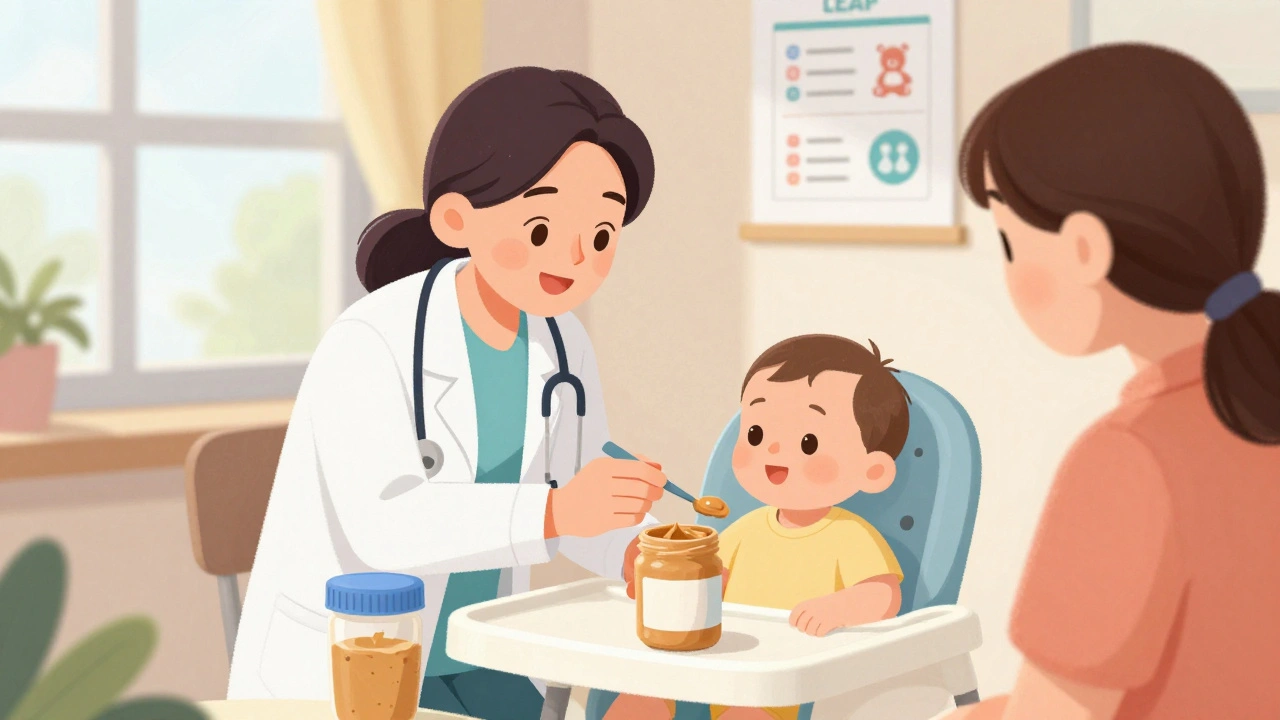
Peanut Allergy Prevention: When and How to Introduce Peanuts to Infants
Learn how early peanut introduction can prevent peanut allergy in infants, based on the latest medical guidelines. Discover the right age, safe methods, and what to avoid.
December 3 2025