
Oral Appliance Therapy: What It Is and How It Helps with Sleep Apnea and Snoring
When you think of treating sleep apnea, you might picture a bulky CPAP machine. But there’s another option that’s quiet, portable, and easy to use: oral appliance therapy, a custom-fitted dental device worn during sleep to keep the airway open by repositioning the jaw or tongue. Also known as mandibular advancement device, it’s a first-line treatment for mild to moderate obstructive sleep apnea—and a popular alternative for those who can’t tolerate CPAP. Unlike machines that push air into your throat, oral appliances work mechanically, gently holding your lower jaw forward so your tongue doesn’t block your airway at night.
This approach falls under dental sleep medicine, a specialized field where dentists and sleep doctors team up to treat breathing disorders during sleep. It’s not just for snoring. Many people don’t realize that chronic snoring can be an early sign of something more serious. Studies show that up to half of habitual snorers have undiagnosed sleep apnea. Oral appliances help by reducing the vibrations that cause snoring and improving oxygen levels throughout the night. They’re also used for people with severe sleep apnea who refuse CPAP or can’t use it due to discomfort, nasal issues, or travel needs.
The devices are custom-made by dentists trained in sleep disorders. They’re not over-the-counter mouthguards. A proper fit matters—too loose and it won’t work; too tight and it can hurt your jaw or teeth. Most patients notice better sleep within days, and many report less daytime fatigue, fewer headaches, and improved focus. Long-term use can even lower blood pressure and reduce the risk of heart problems linked to untreated sleep apnea.
It’s not perfect for everyone. People with severe tooth loss, gum disease, or jaw joint disorders may not be good candidates. And while it’s far less invasive than surgery, it can cause minor side effects like dry mouth, temporary bite changes, or jaw soreness—usually fixable with adjustments.
What you’ll find here are real-world insights from people who’ve tried oral appliance therapy, from the first dentist visit to long-term results. We cover how these devices compare to other treatments, what to ask your provider, how to spot if yours isn’t working, and why some patients switch back to CPAP—or stick with the appliance for years. Whether you’re considering this option for yourself or just want to understand how it fits into sleep medicine, these posts give you the facts without the fluff.
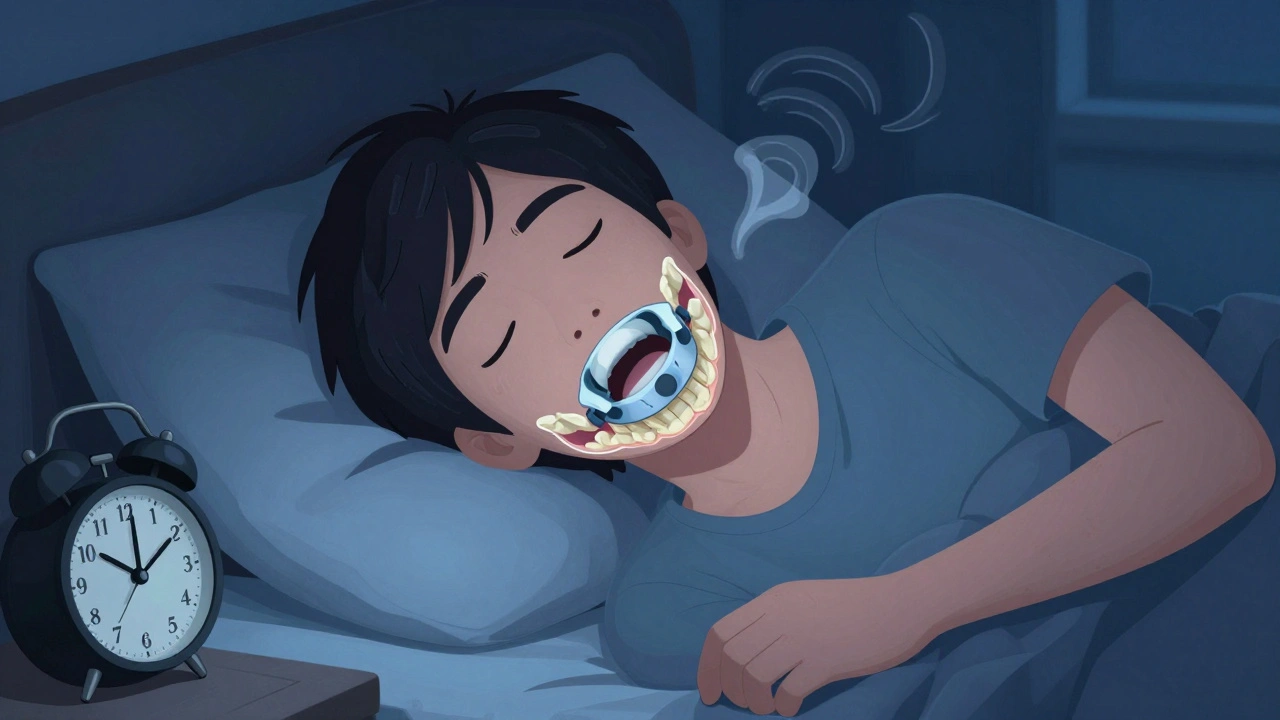
Oral Appliance Therapy for Snoring: How Mandibular Advancement Devices Work and Who They Help
Oral appliance therapy with mandibular advancement devices offers a non-invasive, effective solution for snoring and mild sleep apnea. Learn how they work, who benefits most, and what to expect before and after use.
December 6 2025