
Opioid Risks: Understanding Addiction, Overdose, and Safe Use
When people talk about opioid risks, the dangers linked to prescription and illegal painkillers like oxycodone, hydrocodone, fentanyl, and heroin. Also known as narcotic pain medications, these drugs are powerful but carry serious consequences if misused. Millions of people take them for pain, but even a short prescription can lead to dependence. The CDC reports that over 70% of drug overdose deaths in the U.S. involve opioids—not because users are reckless, but because these drugs change how the brain works, fast.
Opioid addiction, a chronic brain disorder where the body craves the drug despite harm. Also known as opioid use disorder, it doesn’t always start with street drugs. It often begins with a doctor’s script for back pain or surgery recovery. The brain adapts, needing more of the drug just to feel normal. And when someone stops, withdrawal kicks in—sweating, nausea, muscle pain, anxiety. It’s not a moral failure. It’s biology. Then there’s opioid overdose, when breathing slows or stops because the drug overwhelms the brain’s control center. Also known as respiratory depression, it’s the leading cause of death in opioid users. Mixing opioids with alcohol, benzodiazepines, or even sleep aids multiplies the risk. You don’t need to be a heavy user. One wrong pill, one bad batch of fentanyl-laced powder, and it’s over. The good news? Naloxone reverses overdoses. Harm reduction tools exist. But awareness is still low.
Many people don’t realize how easily opioids interact with other meds. A patient taking muscle relaxers for back pain might not know they’re doubling their overdose risk. Or someone on antidepressants might not connect their dizziness to their painkiller. That’s why tracking all your meds matters—something you’ll see covered in posts about medication logs and drug interactions. Even something as simple as a herbal supplement like St. John’s wort can throw off how your body handles opioids.
There’s also the hidden risk: tolerance. People think if they take more, they’re just being strong. But their body is adapting. Soon, the same dose doesn’t work. They might turn to stronger sources—illicit fentanyl, crushed pills, counterfeit tablets. And those? They’re lethal. One pill can kill. No warning. No second chance.
What you’ll find below aren’t just articles about drugs. They’re real tools for staying safe. Posts cover how to track your meds, spot dangerous combinations, understand side effects, and recognize when something’s off. You’ll see how doctors handle overdose cases, why some patients get misdiagnosed, and how simple habits like using one pharmacy can prevent disasters. This isn’t fearmongering. It’s facts. And if you or someone you care about is using opioids—even as prescribed—you need to know this.
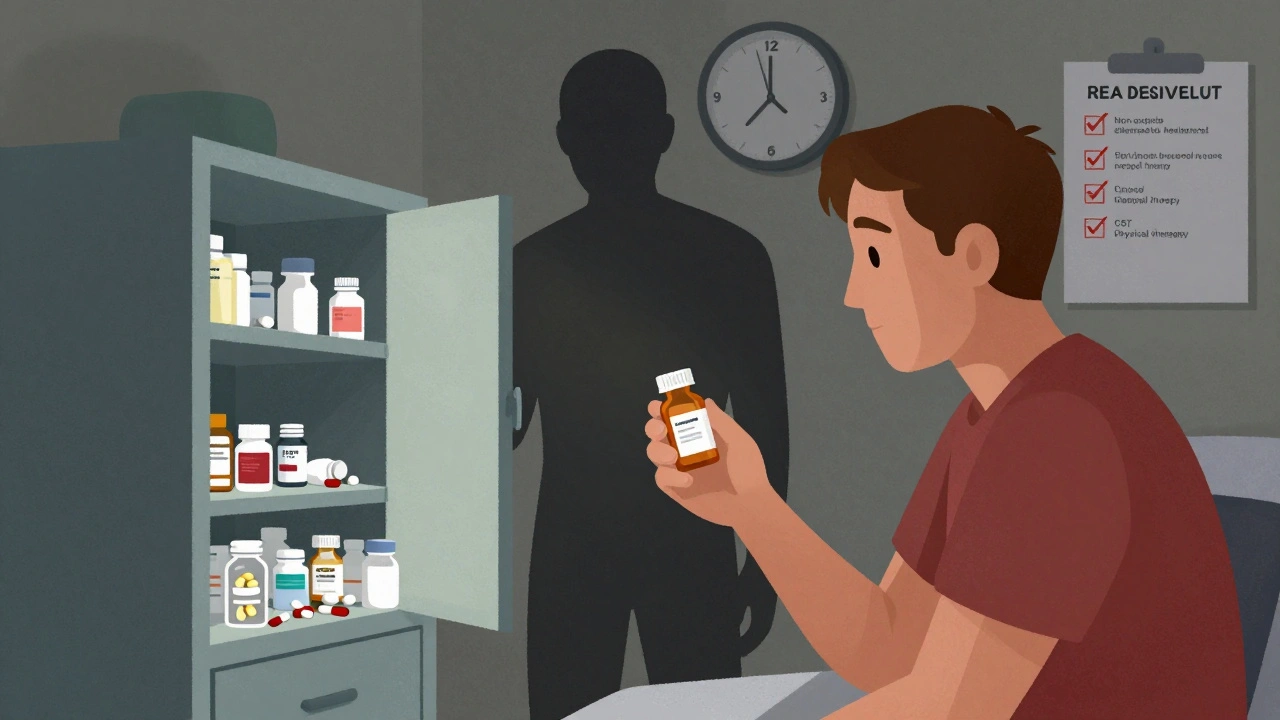
Opioid Therapy: When It’s Appropriate and the Real Risks of Dependence
Opioid therapy can help with severe pain, but it carries serious risks of dependence and overdose. Learn when it's appropriate, how to spot danger signs, and what safer alternatives exist.
December 9 2025