
Opioid Dependence: Signs, Risks, and What Really Helps
When someone develops opioid dependence, a physical and psychological condition where the body relies on opioids to function normally. Also known as opioid addiction, it can start quietly—after a prescription for back pain, a dental procedure, or even an injury. It’s not a moral failure. It’s a brain change. And it happens faster than most people realize.
It’s not just about getting high. With opioid dependence, the brain stops making its own natural painkillers and reward chemicals. Without the drug, withdrawal hits hard: sweating, nausea, muscle aches, anxiety, and insomnia. People don’t always use opioids to feel good—they use them just to feel normal. That’s the trap. And it’s why quitting cold turkey often fails. The body doesn’t reset overnight. medication-assisted treatment, using FDA-approved drugs like methadone, buprenorphine, or naltrexone to ease withdrawal and block cravings works better than willpower alone. Studies show people on these treatments are more likely to stay in care, hold jobs, and avoid overdose.
Many don’t realize naloxone isn’t just for overdoses—it’s a safety net. If someone you know takes opioids, even as prescribed, keeping naloxone on hand can save a life. It reverses respiratory depression fast. And it’s not just for street drugs. Prescription opioids like oxycodone, hydrocodone, and fentanyl patches carry the same risk. withdrawal symptoms, the physical and emotional crash that happens when opioids are stopped abruptly are no joke. They can last weeks. That’s why tapering under medical supervision matters. You can’t just stop. And you shouldn’t have to suffer alone.
What’s missing from most conversations is how opioid dependence overlaps with other health issues. People with chronic pain, depression, or anxiety are more likely to develop it. That’s why treating just the addiction isn’t enough. You need to treat the whole person. That’s where support, counseling, and consistent care come in. This collection of posts doesn’t just list facts—it gives you real tools. From understanding how naloxone works to knowing what to watch for after switching pain meds, these articles are written for people who need answers, not jargon. You’ll find practical advice on spotting early signs, managing side effects, and staying safe while using opioids—or helping someone who is.
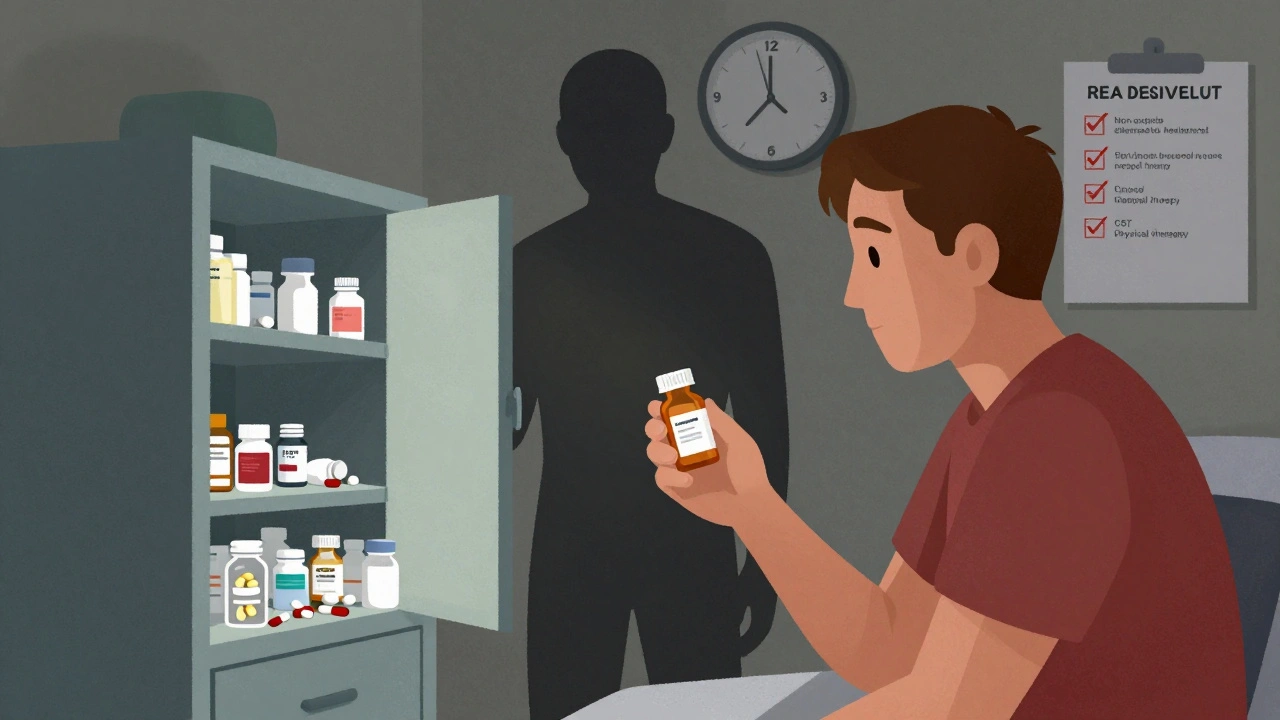
Opioid Therapy: When It’s Appropriate and the Real Risks of Dependence
Opioid therapy can help with severe pain, but it carries serious risks of dependence and overdose. Learn when it's appropriate, how to spot danger signs, and what safer alternatives exist.
December 9 2025