
MH Trigger: Understanding Mental Health Triggers and How to Manage Them
When we talk about MH trigger, a specific event, thought, or environment that sparks a strong emotional or psychological reaction in someone with a mental health condition. Also known as emotional trigger, it's not just about feeling upset—it’s about your nervous system going into overdrive, sometimes without warning. These aren’t just "bad days." They’re signals. Your mind and body are reacting to something deep, often tied to past trauma, chronic stress, or chemical imbalances. And if you’ve ever felt like you went from fine to overwhelmed in seconds, you’ve likely faced an MH trigger.
MH triggers don’t happen in a vacuum. They connect to other key elements like anxiety triggers, specific situations that cause panic, racing thoughts, or avoidance behaviors, and depression triggers, events or patterns that deepen low mood, hopelessness, or withdrawal. A fight with a loved one might be an MH trigger for one person, a reminder of past abandonment. For another, it could be the smell of alcohol, a news headline, or even a certain time of day. These triggers often link to underlying conditions like PTSD, bipolar disorder, or chronic stress—and they’re why some people struggle even when everything "looks fine" on the surface.
What makes MH triggers tricky is how they hide in plain sight. You might not realize your trigger until you’re already spiraling. That’s why tracking your reactions matters. Keeping a simple log—what happened, how you felt, what you did—can reveal patterns. It’s not about blaming yourself. It’s about gaining control. The posts below show real ways people handle this: from managing medication side effects that worsen mood swings, to using daily logs to catch emotional shifts before they escalate, to understanding how supplements like magnesium or herbal remedies can accidentally make triggers worse. You’ll find advice on avoiding drug interactions that affect mental health, how to talk to your doctor about emotional spikes, and how lifestyle choices like sleep, hydration, and even pet dander reduction can quietly influence your emotional stability.
There’s no one-size-fits-all fix. But knowing your triggers is the first step to stopping them from running your life. The tools, stories, and science here aren’t theoretical. They’re from people who’ve been there—and found ways to breathe again.
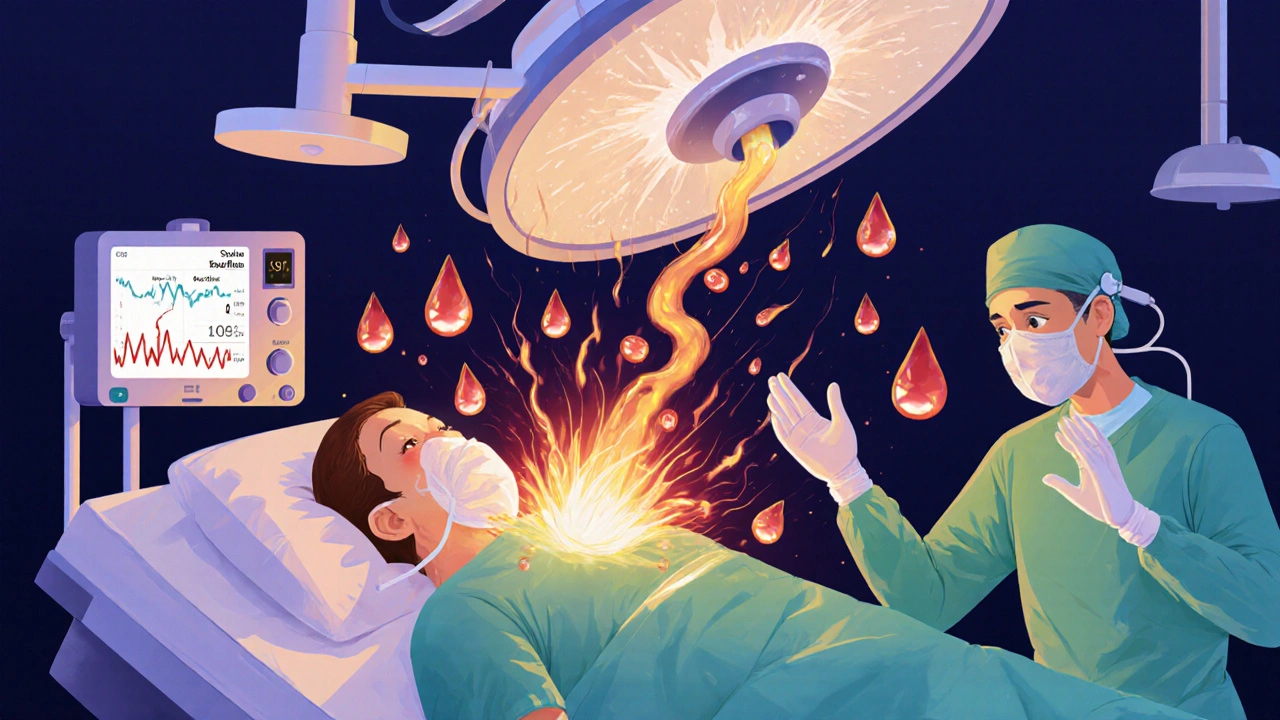
Malignant Hyperthermia and Anesthesia: What You Need to Know About This Life-Threatening Reaction
Malignant hyperthermia is a rare but deadly reaction to common anesthesia drugs. Learn the triggers, symptoms, and life-saving treatment with dantrolene-and why early recognition saves lives.
November 26 2025