
Medication Errors: How to Prevent Mistakes with Pills, Doses, and Drug Interactions
When you take a pill, you expect it to help—not hurt. But medication errors, mistakes in prescribing, dispensing, or taking drugs that lead to harm. Also known as drug errors, they’re one of the most common causes of preventable hospital visits in the U.S. These aren’t just about taking the wrong pill. They include mixing drugs that shouldn’t be combined, missing doses, storing medicine wrong, or not realizing a generic switch changed how you feel. And most of them happen because no one was tracking it.
Drug interactions, when two or more medicines react in a way that changes their effect. Also known as medication interactions, they’re behind many serious side effects. Take magnesium supplements with osteoporosis drugs like Fosamax—your body can’t absorb the bone medication if they’re taken too close together. Or mix alcohol with antidepressants like Desvenlafaxine and risk dizziness, liver damage, or worse. These aren’t rare cases. They happen daily because people don’t know their full list of meds is sitting in five different pharmacies. That’s why using one pharmacy, a single pharmacy that holds all your prescriptions and flags dangerous combos. Also known as centralized pharmacy, it’s the simplest shield against mistakes. Your pharmacist sees everything you’re on—not just what the doctor wrote yesterday.
And then there’s the medication log, a simple record of what you take, when, and how you feel. Also known as pill diary, it’s not just for doctors—it’s your personal safety net. Write down the name, dose, time, and any weird feeling that follows. Did your head spin after switching to a generic version of your thyroid med? Did your blood pressure drop after adding a new supplement? That log turns guesswork into facts. It’s how you catch an overdose before it’s too late. It’s how you prove to your doctor that a new drug isn’t working—or is making things worse.
These aren’t abstract risks. They’re real, daily dangers. People mix up liquid antibiotics because they didn’t know to refrigerate them. Others keep taking a steroid cream until their skin thins. Some think they’re allergic to penicillin when they just had a stomachache. And no one checks if a new drug clashes with an old one because they didn’t know to ask. But you can change that. You don’t need to be a doctor. You just need to track, ask, and centralize.
Below, you’ll find real, practical guides from people who’ve been there—how to store antibiotics so they don’t go bad, how to tell if a generic switched on you, how to travel with controlled meds without getting stopped at customs, and how to use a simple log to avoid overdosing on pills, alcohol, or both. No fluff. No theory. Just what works.
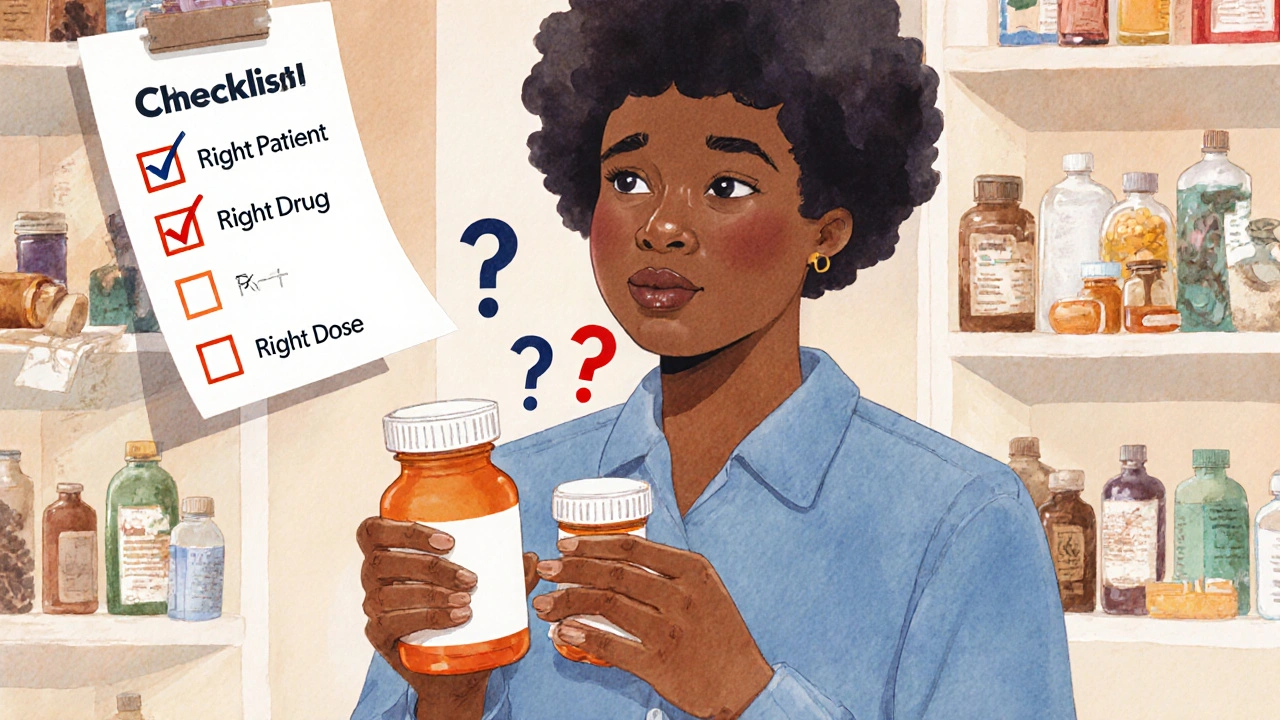
Medication Safety Basics: How to Use Prescription Drugs Responsibly
Learn how to use prescription drugs safely with practical steps to avoid errors, reduce side effects, and prevent dangerous interactions. Essential tips for patients managing multiple medications.
November 12 2025