
Low Calcium: Symptoms, Causes, and What You Need to Know
When your body doesn’t get enough low calcium, a condition where blood calcium levels drop below what your nerves, muscles, and bones need to function properly. Also known as hypocalcemia, it’s not just about milk and dairy—it’s about how your body absorbs, stores, and uses this mineral every single day. You might not feel it at first, but over time, low calcium quietly weakens your bones, messes with your heartbeat, and triggers tingling in your fingers or sudden muscle cramps—especially at night.
It’s not always from eating too little calcium. Sometimes, it’s what’s blocking it. magnesium supplements, often taken for muscle relief or sleep, can interfere with calcium absorption if not timed right. Same with some osteoporosis drugs like Fosamax—taking them too close to calcium or magnesium can slash their effectiveness by up to 60%. Then there’s vitamin D deficiency, which stops your gut from pulling calcium from food, even if you’re eating plenty. Kidney problems, parathyroid issues, and even long-term use of certain diuretics can also drain your calcium levels without you noticing.
People with chronic digestive disorders like Crohn’s or celiac disease often struggle with low calcium because their guts can’t absorb nutrients properly. Older adults are at higher risk too—not just because they eat less, but because their skin makes less vitamin D from sunlight, and their kidneys don’t activate it as well. And here’s the thing: if you’re taking proton pump inhibitors (PPIs) for heartburn for more than a year, your calcium absorption drops. It’s not a myth—it’s science.
Low calcium doesn’t always show up in blood tests right away. Your body pulls calcium from your bones to keep your blood stable, so you might feel fine until your bones start breaking down. That’s why symptoms like brittle nails, dry skin, or frequent fractures can be red flags long before a lab result confirms it. And if you’ve ever had a sudden spasm in your hand or foot—where your fingers curl and your muscles lock up—that’s a classic sign called tetany, often tied directly to low calcium.
It’s not about popping a calcium pill and calling it done. It’s about understanding what’s behind the drop. Is it your diet? Your meds? Your kidneys? Your gut? The posts below dive into real cases, common mistakes, and how other health issues—like thyroid problems, vitamin D levels, or even how you store your antibiotics—can quietly affect your calcium balance. You’ll find practical tips on what to ask your doctor, which supplements actually help, and how to avoid interactions that make things worse. No fluff. Just what works.
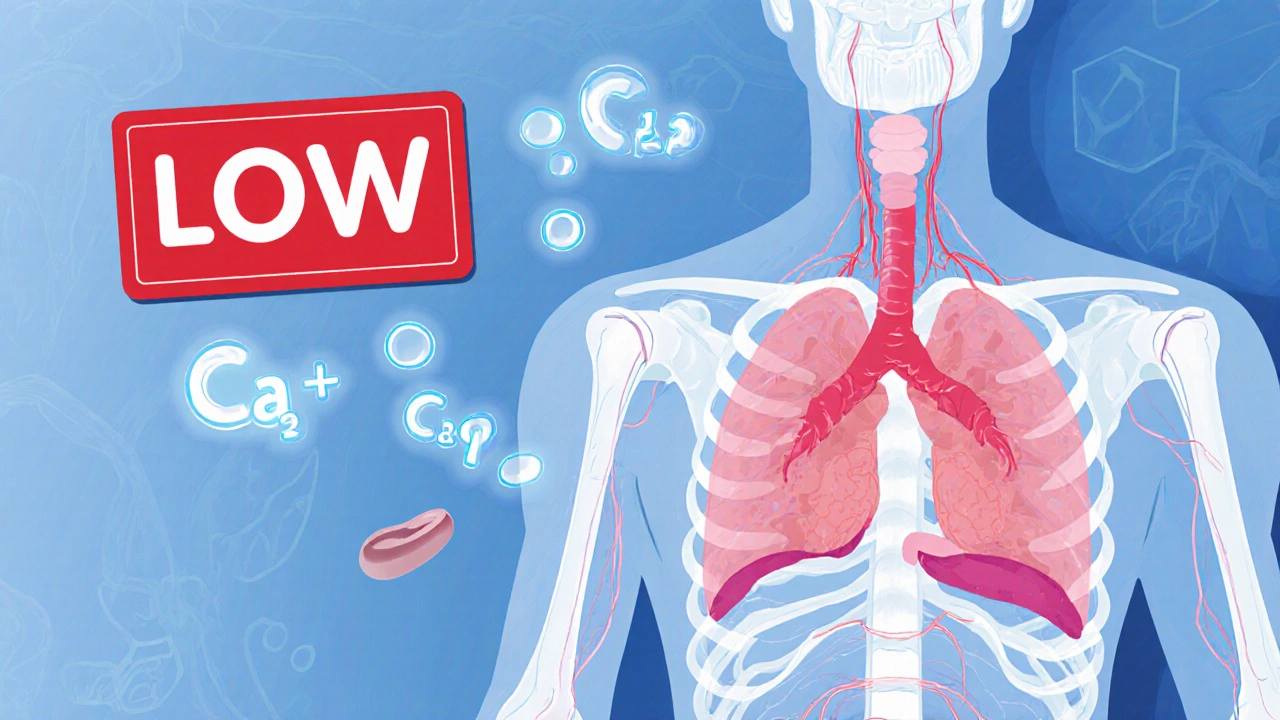
Hypoparathyroidism: How to Manage Low Calcium and Vitamin D Effectively
Learn how to manage hypoparathyroidism with calcium and vitamin D supplements, avoid common pitfalls, and recognize when to seek advanced treatment. Practical advice for stable long-term control.
November 29 2025