
HIV Cancer: Understanding the Link, Risks, and What You Need to Know
When someone has HIV, a virus that attacks the body’s immune system, specifically CD4 cells. Also known as human immunodeficiency virus, it doesn’t directly cause cancer—but it creates the perfect conditions for it to grow. Over time, HIV weakens the immune system so much that the body can’t fight off abnormal cell growth. This is why people with untreated HIV are far more likely to develop certain types of cancer than those without it.
Three cancers are most strongly linked to HIV: Kaposi’s sarcoma, a rare cancer that causes purple or brown skin lesions and can spread to internal organs. Also known as KS, it’s caused by a virus called HHV-8 and was one of the first signs of AIDS in the 1980s. Then there’s non-Hodgkin lymphoma, a cancer of the lymphatic system that grows faster in people with weakened immunity. Also known as NHL, it’s more aggressive in HIV-positive patients and often shows up in unexpected places like the brain or digestive tract. And third, cervical cancer, which is caused by HPV and progresses faster when HIV is present. Also known as HPV-related cancer, it’s preventable with regular screening and the HPV vaccine—yet still underdiagnosed in high-risk groups. These aren’t random occurrences. They’re direct results of immune failure.
Modern HIV treatment changes everything. When someone takes antiretroviral therapy (ART) consistently, their viral load drops to undetectable levels, their CD4 count rises, and their cancer risk drops close to that of someone without HIV. But even then, the risk doesn’t disappear entirely. That’s because HIV leaves a lasting mark on the immune system, and some cancers take years to develop. That’s why regular cancer screenings—Pap smears, skin checks, blood tests—are just as important as taking your HIV meds.
What you won’t find in most guides is how much lifestyle matters. Smoking doubles the risk of lung cancer in people with HIV. Heavy drinking raises liver cancer risk. Poor nutrition weakens the body’s ability to repair DNA damage. These aren’t side notes—they’re central to survival. The same habits that help prevent cancer in the general population matter even more here.
There’s no magic bullet, but there’s a clear path: know your status, stay on treatment, get screened early, and avoid known triggers. The posts below dive into real-world details—what drugs help reduce cancer risk, how to spot early signs of Kaposi’s sarcoma, why lymphoma symptoms can be mistaken for flu, and what to ask your doctor during checkups. You won’t find vague advice here. Just straight facts, practical steps, and the tools to protect yourself.
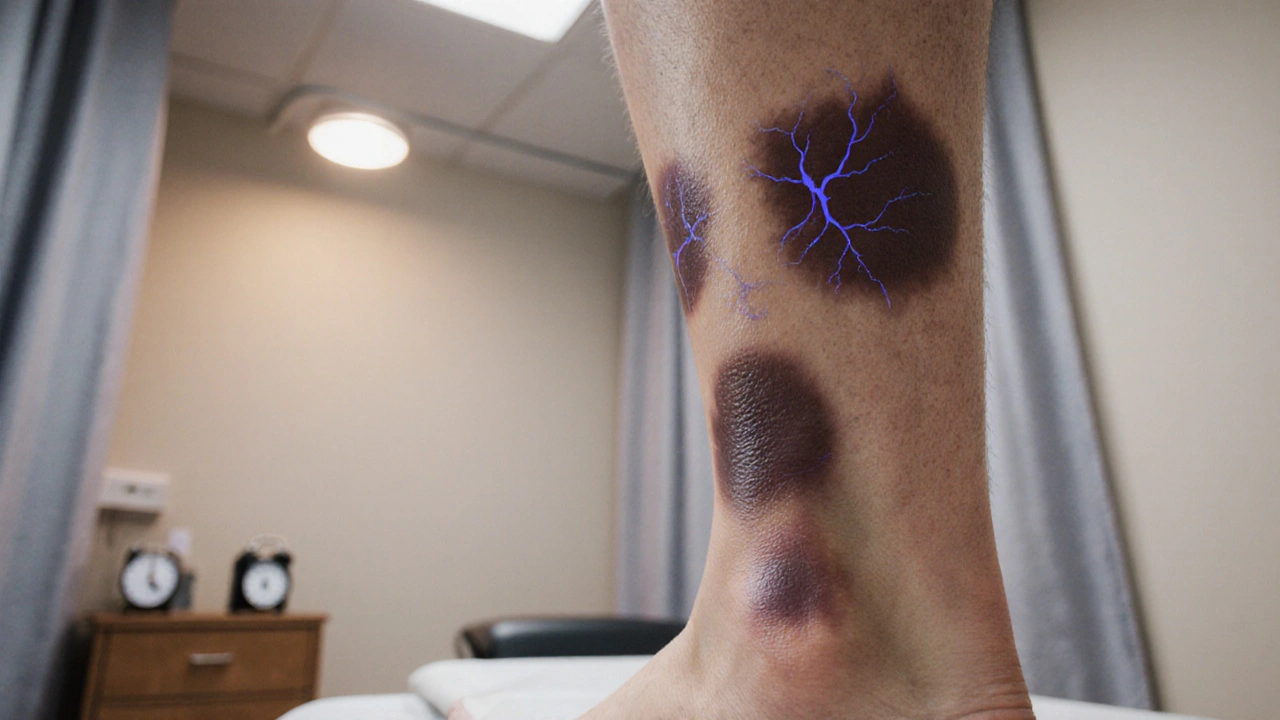
Kaposi Sarcoma Explained: Causes, Symptoms, Diagnosis & Treatment
A clear, human‑focused guide that explains what Kaposi Sarcoma is, its causes, symptoms, diagnosis, treatment options and how to manage the disease daily.
October 8 2025