
Herbal Supplements: What Works, What Doesn't, and How to Use Them Safely
When you hear herbal supplements, natural products made from plants used to support health, often sold without a prescription. Also known as botanicals, they’re not regulated like drugs, so what’s on the label isn’t always what’s inside. People reach for them for everything from sleep and digestion to energy and immune support—but most don’t know the risks. A lot of these products don’t work the way they claim, and some can seriously mess with your prescriptions.
Take probiotics, live bacteria that help balance your gut microbiome. Science shows they can reduce antibiotic-related diarrhea in kids and ease some forms of IBS, but only specific strains like Lactobacillus rhamnosus GG do. Most store-bought probiotics? Just sugar and empty capsules. Then there’s magnesium supplements, a mineral often taken for muscle cramps or sleep. Sounds harmless, right? Wrong. If you’re on osteoporosis meds like Fosamax, magnesium can block up to 60% of their absorption. Take them at the same time, and you’re not protecting your bones—you’re wasting your money and risking fractures.
And don’t forget vitamin D, a hormone-like nutrient critical for immune function and bone health. It’s often bundled into herbal blends as if it’s just another plant extract. But vitamin D is a prescription-level nutrient for many. Too little causes problems. Too much? Can lead to kidney damage. And if you’re taking blood thinners or thyroid meds, some herbal mixes can spike or drop your levels without you knowing.
Herbal supplements aren’t all bad. But treating them like harmless candy is dangerous. The real issue isn’t the plants themselves—it’s the lack of oversight, the false claims, and the hidden interactions. You wouldn’t mix random pills from your medicine cabinet. Why treat herbal packets any differently? The posts below break down exactly which supplements have real evidence, which ones are scams, and how to use them without risking your health—or your prescriptions.
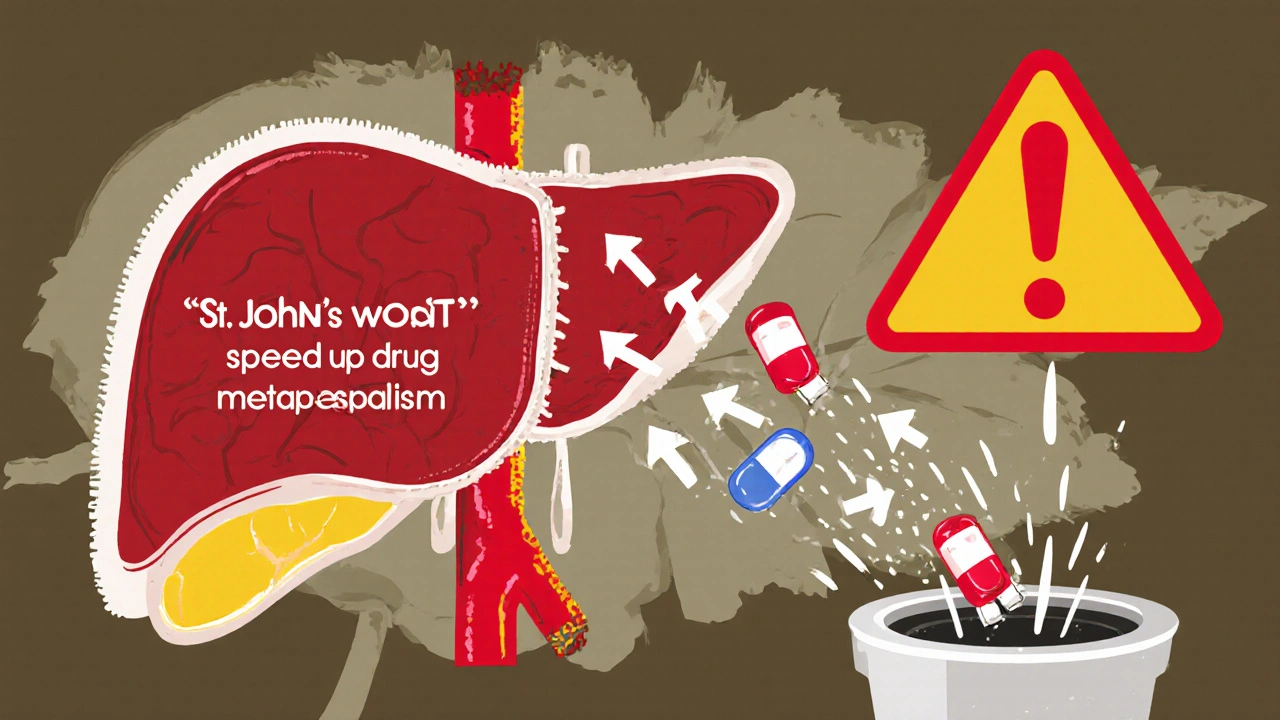
Herbal Supplements and Drug Interactions: What You Need to Know for Safety
Herbal supplements can dangerously interact with prescription drugs, reducing effectiveness or causing toxicity. St. John’s wort, ginkgo, garlic, and danshen pose serious risks. Learn which herbs to avoid and how to talk to your doctor.
November 27 2025