
Generic vs Brand Medications: What You Really Need to Know
When you pick up a prescription, you might see two options: the generic drug, a chemically identical version of a brand-name medication produced after the patent expires. Also known as generic medication, it works the same way but costs far less. Or you might get the brand name drug, the original version developed by a pharmaceutical company with a patent. Also known as name-brand medication, it’s often more expensive because of marketing, research, and patent protection costs. The big question isn’t whether they work the same—it’s whether you’re paying extra for something that doesn’t actually make you healthier.
Here’s the truth: the FDA requires generic drugs to have the same active ingredient, strength, dosage form, and route of administration as the brand version. They must also be bioequivalent—meaning they get into your bloodstream at the same rate and amount. That’s not a marketing claim. That’s a legal requirement. So if your doctor prescribes Lipitor and you get atorvastatin instead, you’re getting the exact same medicine. The fillers, color, and shape might be different, but the part that fixes your problem? Identical. Many people worry about generics being less reliable, but studies from the FDA and independent researchers show no meaningful difference in effectiveness or side effects for the vast majority of drugs. The only exceptions are narrow-therapeutic-index drugs like warfarin or levothyroxine, where tiny changes can matter—and even then, switching within the same generic manufacturer is usually fine.
What you’re really paying for with brand names is advertising, fancy packaging, and the illusion of superiority. A 2023 study found that people who believed they were taking a brand-name drug reported fewer side effects—even when they were actually given the generic. That’s not the drug working better. That’s your brain working harder. And if you’re on multiple medications, saving money on generics can mean you’re more likely to take them all as prescribed. That’s not just about cost—it’s about medication safety, the practice of using drugs correctly to avoid harm. Also known as safe medication use, it’s one of the most overlooked factors in long-term health. Skipping pills because they’re too expensive? That’s riskier than switching to a generic. And if you’re using one pharmacy for all your meds—like the posts here recommend—you’ll get better interaction checks, fewer duplicates, and more consistent advice.
So when you’re handed a prescription, ask: is there a generic? If your doctor says no, ask why. Most of the time, it’s just habit—not science. The next time you see a $150 brand-name bill and a $12 generic, remember: your body can’t tell the difference. Your wallet can. And that’s the real win.
Below, you’ll find real-world guides on how to spot safe generics, avoid hidden risks, compare costs, and understand why your pharmacist might be your best ally when it comes to choosing between brand and generic options.
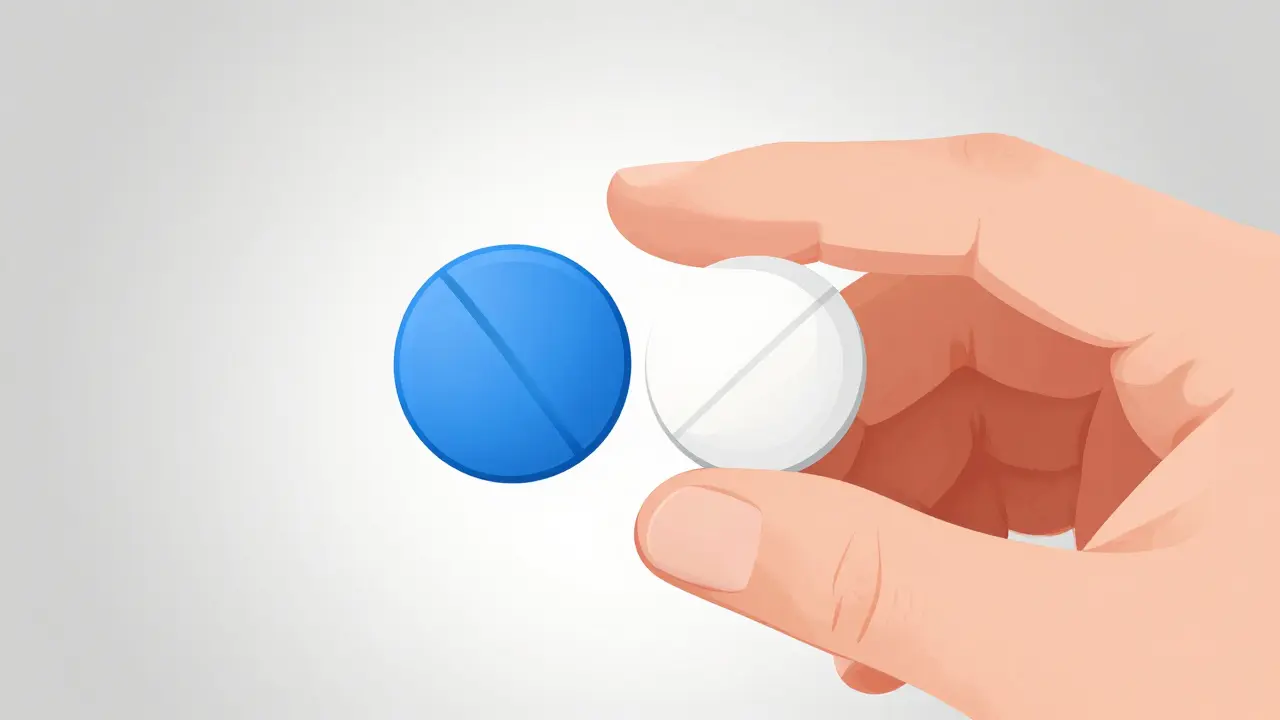
How to Compare Generic Drug Manufacturers and Pill Appearance
Learn how to compare generic drug manufacturers and why pill appearance changes. Understand bioequivalence, NTI drugs, and how to verify your medication using the FDA Orange Book.
April 4 2026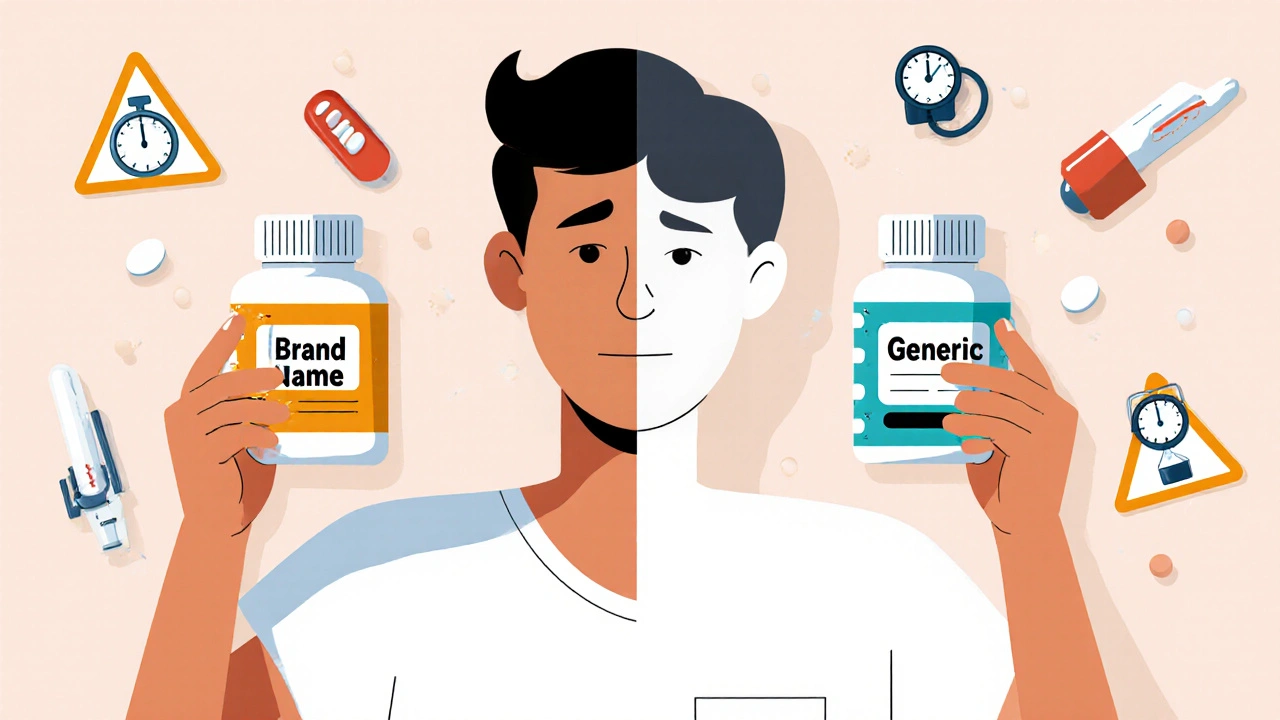
How to Track Medication Effectiveness After a Generic Switch
After switching to a generic medication, track lab results, symptoms, and refill patterns to catch problems early. Not all generics work the same - especially for critical drugs like warfarin or thyroid meds.
November 10 2025